

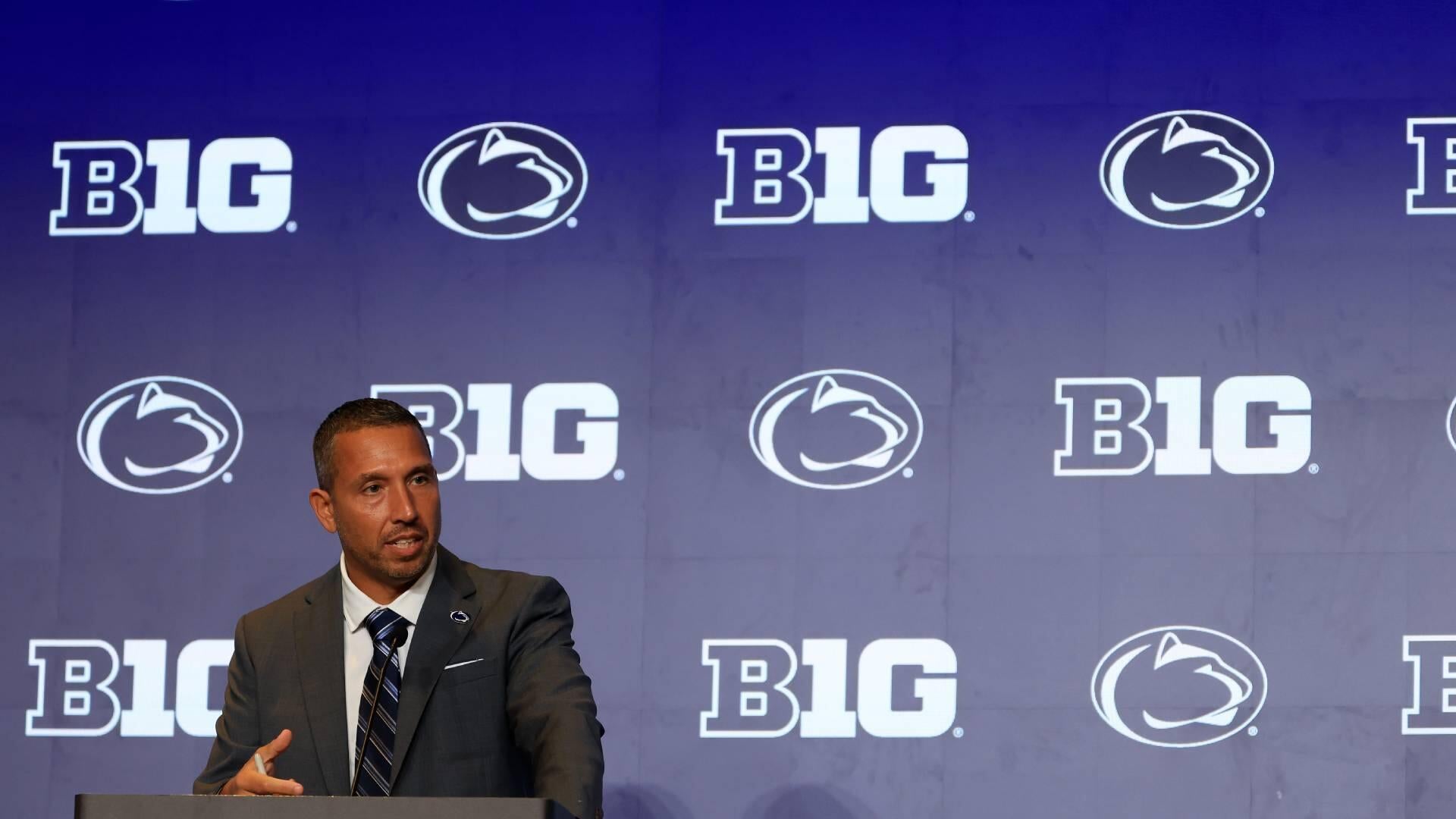
The Big Ten held its media days in Chicago on July 28, with coaches and administrators showcasing confidence about their conference’s standing relative to the SEC. The conversation focused on several programs entering pivotal seasons and emphasized that the league’s recent success has transformed its approach to competition.
Penn State emerged as a major storyline with newly hired coach Matt Campbell overseeing a program that has yet to achieve a breakthrough in the expanded playoff era. Campbell, who was previously at Iowa State, noted familiarity with approximately half of the projected starting lineup from his time there. The Nittany Lions appear to have advantages entering the season, including a favorable schedule that allows them to avoid Ohio State, Oregon, and Indiana during regular-season play. Campbell stressed the importance of culture and people in driving success.
USC continued to draw scrutiny under Lincoln Riley, who enters Year 5 of his tenure with raised expectations. Riley stated that the Trojans return 15 starters, signed the nation’s top recruiting class, and are better equipped to handle competition in the Big Ten than they had been previously. Riley acknowledged that College Football Playoff participation is necessary to validate the program’s investment in his vision, with no additional excuses available. The Trojans have yet to appear in the playoff since the postseason expanded in 2014.
Wisconsin coach Luke Fickell faces significant pressure following consecutive disappointing seasons. Fickell recruited 33 players through the transfer portal and acknowledged the program’s failure to meet standards. The Badgers open against Notre Dame and face early tests against Penn State and Michigan State within their first five games.
Big Ten Commissioner Tony Petitti downplayed suggestions of substantial contention with the SEC, noting he had spoken multiple times with SEC Commissioner Greg Sankey. Petitti advocated for increased regular-season matchups between the conferences and rejected the premise that the SEC’s schedule middle was substantially harder than the Big Ten’s equivalent.
Article Attribution | Read More at Article Source
Article summary produced by Claude AI