

The Food and Drug Administration identified cyclospora parasite on shredded iceberg lettuce from Taylor Farms on July 17, triggering an investigation into a multistate outbreak. The agency initially announced the positive test result but retracted it two days later as a “false positive,” though the investigation remains ongoing. The outbreak has since expanded from five Midwest states to nine states total, with the CDC linking approximately 2,000 illness cases to contaminated lettuce from the company, making it the largest known cyclosporiasis outbreak in U.S. history.
Tracking the outbreak has proven challenging for several reasons. Cyclospora causes persistent watery diarrhea and other gastrointestinal symptoms, but many infected individuals manage symptoms at home without medical attention. Additionally, the parasite requires one to two weeks of maturation in the environment before becoming infectious to humans, creating a lag in public health authorities’ ability to trace contamination sources. Critics have noted that uneven information rollout from federal health agencies has further complicated outbreak management.
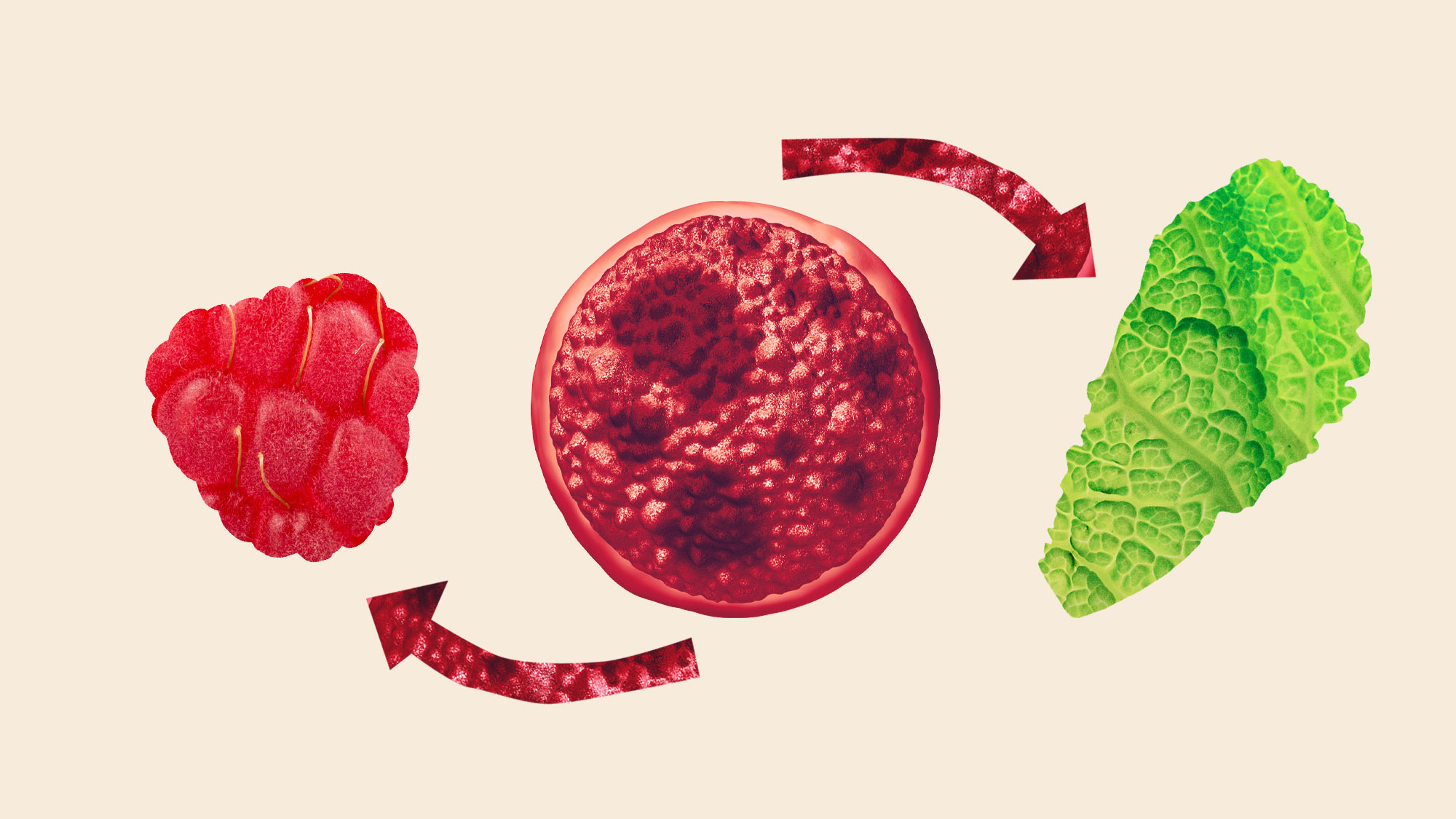
Cyclospora differs from other foodborne pathogens in that it spreads through food or water contaminated with human feces rather than from animal sources. The parasite commonly lingers on produce with uneven surfaces, including leafy greens and berries. Past outbreaks have involved cilantro, basil, raspberries, and other items. Contamination typically occurs through water management issues at agricultural sites, such as irrigation supplies coming into contact with untreated wastewater or fields located near faulty sanitation systems.
Experts have identified climate change as a potential factor in creating conditions favorable to cyclosporiasis transmission. Warmer temperatures accelerate the parasite’s maturation process, extending the seasonal window when cyclospora poses a public health risk. Climate change also disrupts water cycles, with droughts forcing agricultural producers to rely on nontraditional water sources such as municipal wastewater for irrigation. Alternating drought and heavy rainfall patterns increase water runoff carrying pathogens across landscapes. Regulatory gaps remain concerning, as federal oversight of food system safety has not adequately addressed risks identified in recent studies examining agricultural contamination pathways and intensive farming practices.
Article Attribution | Read More at Article Source
Article summary produced by Claude AI