

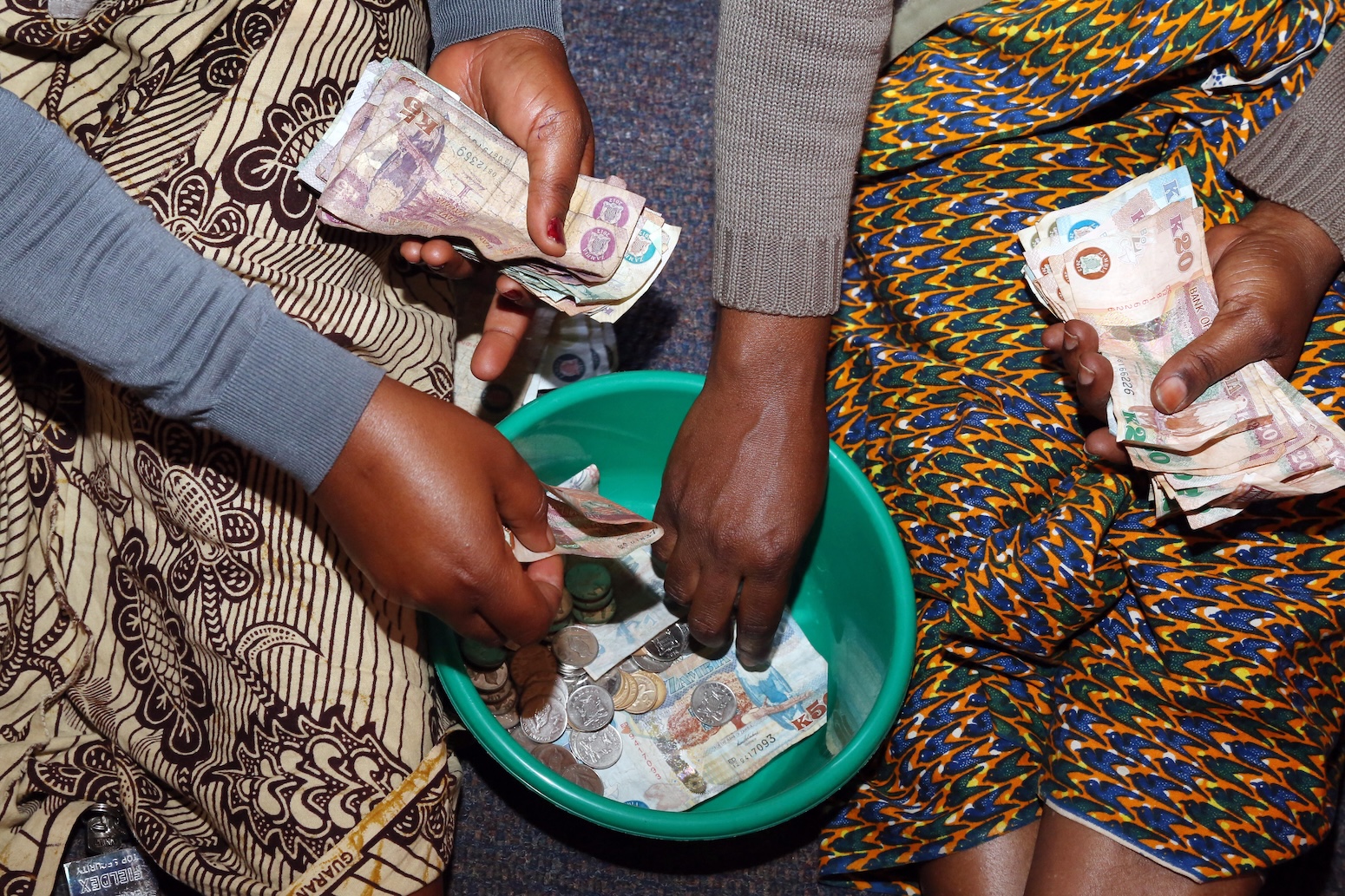
Research published in Climate Risk Management examines how financial access affects the climate resilience of women-headed households across sub-Saharan Africa. The study, which analyzed data from over 25,500 households in 37 countries using Afrobarometer survey information, found that women with formal financial services such as bank accounts enabled their households to better withstand short-term climate shocks and economic crises.
The researchers measured financial inclusion using factors including bank account ownership, mobile phone access, and internet connectivity. They assessed climate resilience using a UN Food and Agriculture Organization framework that evaluates households’ ability to absorb and recover from environmental and economic stressors. Results indicated that women’s financial empowerment positively impacted households’ capacity to absorb climate impacts, allowing families to access savings, obtain emergency credit, and build community support networks during extreme weather events.
However, the study emphasizes that financial access alone provides only short-term protection. The authors note that lasting resilience requires addressing structural and cultural barriers to gender equality. They propose policies including gender-sensitive agricultural credit schemes, climate insurance subsidies for women farmers, joint land-titling programs, and women’s representation on climate-adaptation committees. The research highlights that while women in sub-Saharan Africa increasingly access financial services—with 52 percent holding bank accounts as of 2024—the gender gap in financial access has widened from five percentage points in 2011 to twelve points in 2024.
Experts note that women face disproportionate climate vulnerability due to income disparities, displacement risks, and unequal resource access. They emphasize that financial inclusion, paired with microloans and savings programs, can help households avoid poverty during climate impacts. Nevertheless, structural inequalities continue to constrain women’s ability to exercise leadership and adapt to long-term climate challenges, underscoring the need for comprehensive policy approaches beyond financial access alone.
Article Attribution | Read More at Article Source
Article summary produced by Claude AI