

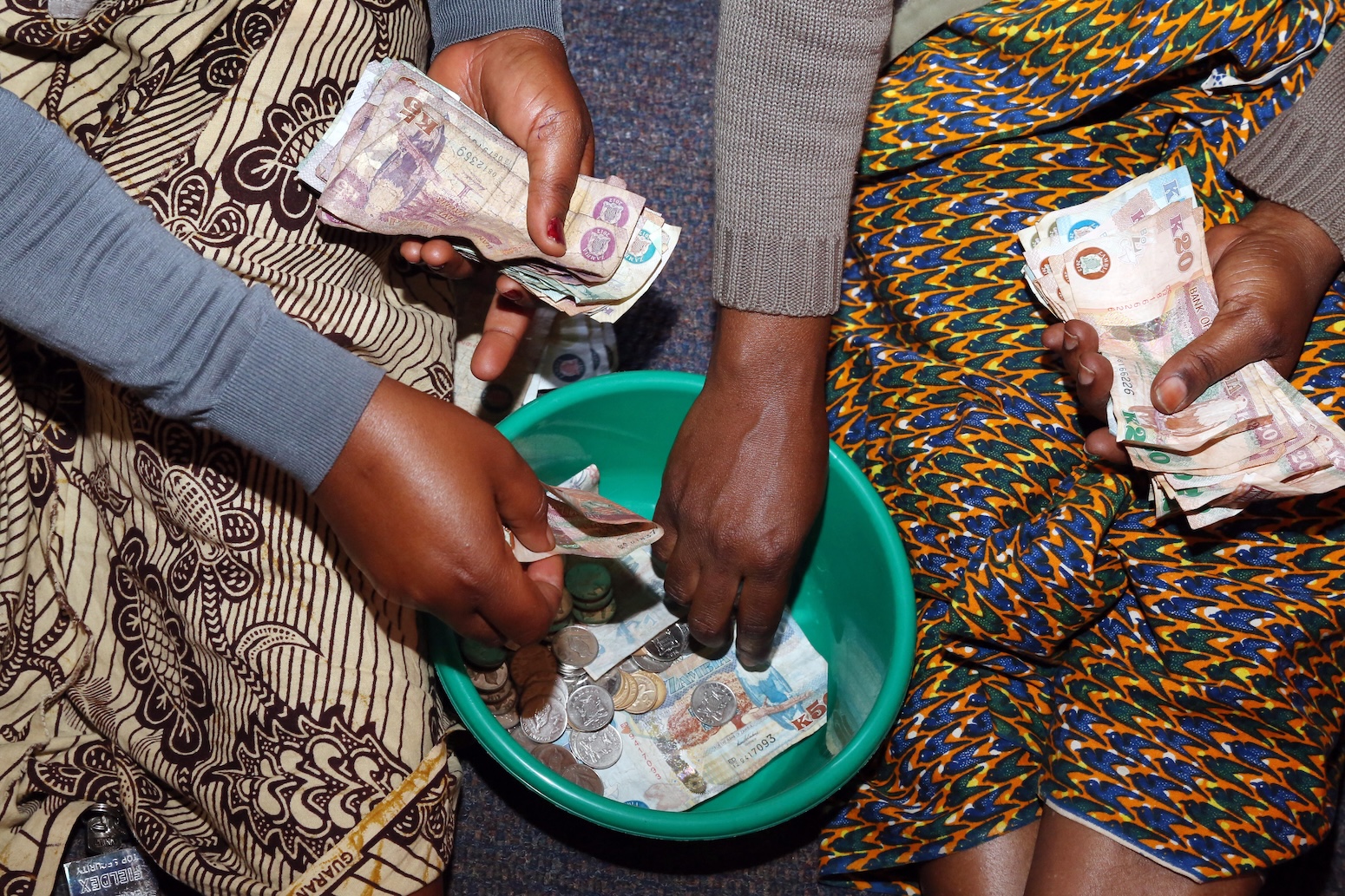
Research published in Climate Risk Management examines how financial access influences climate resilience among women-headed households across sub-Saharan Africa. The study analyzes survey data from approximately 25,511 households in 37 countries, using indicators such as bank account ownership, mobile phone access, and internet connectivity to measure financial inclusion.
The research demonstrates that households where women have formal financial access demonstrate greater capacity to withstand short-term climate shocks and economic disruptions. Women with financial inclusion showed enhanced ability to make decisions about agricultural production, access emergency credit, and manage food purchases more effectively. The study notes that such financial empowerment enables households to absorb immediate climate impacts through savings access and community support networks.
However, the authors emphasize that financial access alone does not create long-term climate resilience. While financially included women demonstrated stronger political and economic empowerment, broader structural and cultural change remains necessary to reduce underlying vulnerability to climate hazards including droughts, floods, and sea-level rise. The study found that households surveyed had relatively high capacity to recover from climate shocks but significantly lower ability to adapt proactively before extreme events occur.
The research highlights persistent gender disparities in financial services across the region. As of 2024, women’s account ownership reached 52 percent, yet the gap between men and women’s access expanded from approximately 5 percentage points in 2011 to 12 points by 2024. Researchers suggest that gender-sensitive agricultural credit schemes, climate insurance programs, joint land-titling initiatives, and women’s participation quotas in climate adaptation committees could strengthen long-term resilience while addressing entrenched inequalities.
Experts note that women face disproportionate climate vulnerability due to income disparities, displacement risks, and limited land access. Supporting women’s financial inclusion alongside adaptation measures can allow households to absorb climate impacts without descending into poverty and facilitate post-crisis recovery, though addressing underlying structural inequalities remains essential for meaningful progress.
Article Attribution | Read More at Article Source
Article summary produced by Claude AI