

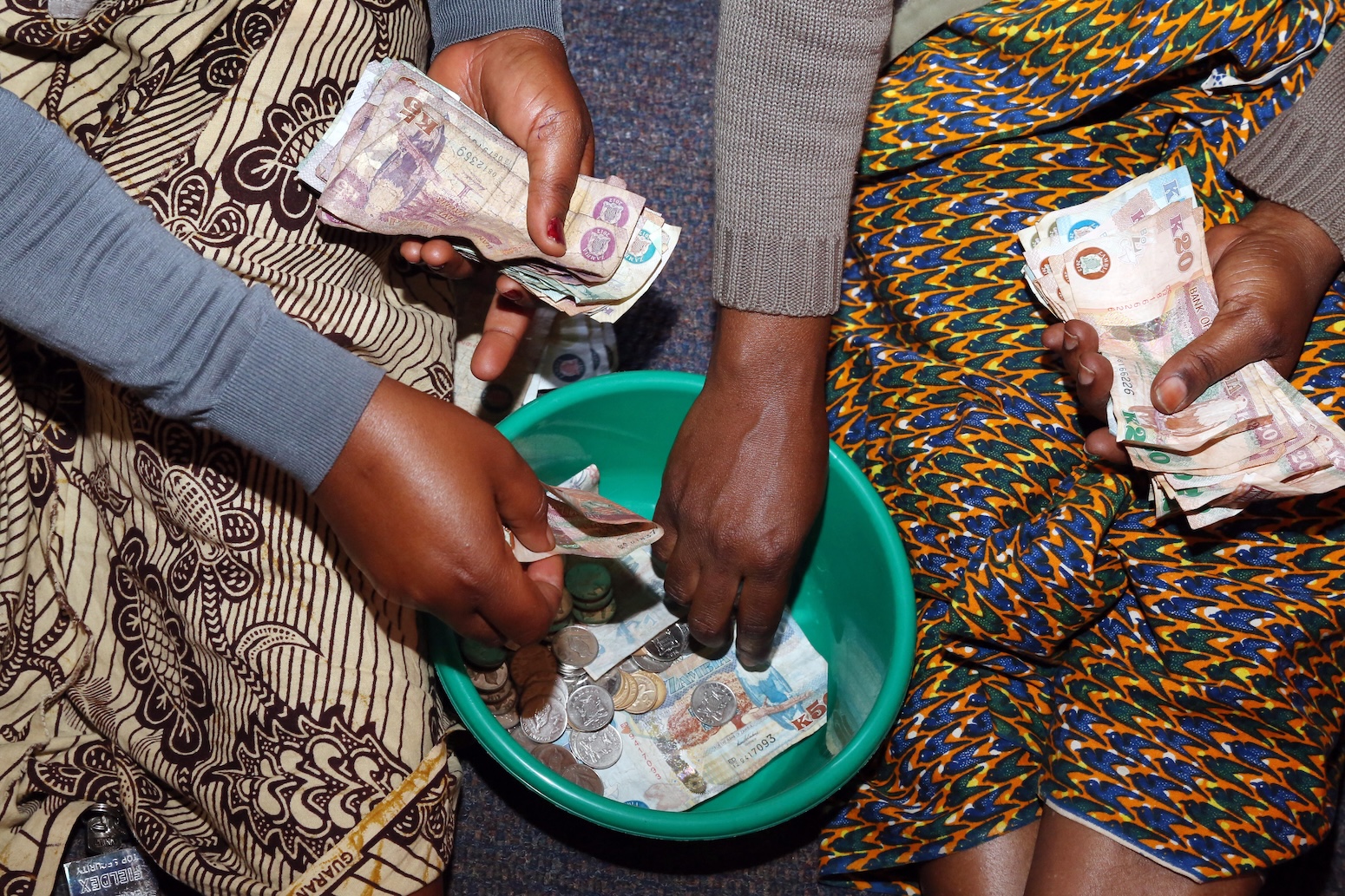
Research published in Climate Risk Management examines how financial access influences climate resilience among women-headed households across sub-Saharan Africa. The study, which analyzed data from 25,511 households in 37 countries using Afrobarometer survey information, finds that women with formal financial services—such as bank accounts—enable their households to better withstand short-term climate-related economic disruptions.
The analysis reveals that financial inclusion correlates with increased women’s empowerment, particularly in political and economic dimensions including voting rights and financial security. The researchers measured resilience using a UN Food and Agriculture Organization framework that evaluates household capacity to absorb and recover from climate shocks, food insecurity, and economic crises. Results indicate surveyed households demonstrated strong capacity to respond immediately to extreme weather events through access to savings and community support networks, though their ability to build protective capacity beforehand remained limited.
However, the authors caution that financial access alone addresses short-term vulnerabilities rather than long-term climate risks such as droughts, floods, and sea-level rise. The study notes that gender disparities persist in the region—as of 2024, approximately 52 percent of women had bank accounts compared to a higher proportion of men, with the gender gap widening since 2011. Social empowerment measures showed weaker connections to financial inclusion, suggesting cultural and social barriers persist independently of economic access.
The researchers recommend complementary policies targeting structural gender inequality, including gender-sensitive agricultural credit programs, climate insurance for women farmers, joint land-titling initiatives, and women’s representation in local adaptation committees. Experts emphasize that combining financial support with broader efforts to address systemic inequalities enables households to absorb climate impacts without falling into poverty while rebuilding capacity. The findings carry particular significance for sub-Saharan Africa, a region increasingly vulnerable to extreme weather, food scarcity, and crop threats.
Article Attribution | Read More at Article Source
Article summary produced by Claude AI