

The Innovation Incubator program, coadministered by the U.S. Department of Energy’s National Laboratory of the Rockies and originally funded by Wells Fargo, announced on May 28, 2026 that four organizations had been selected to receive grants totaling $750,000. The program aims to bridge the gap between laboratory innovation and real-world deployment by pairing companies with laboratory experts over a six-month implementation period. The selected organizations will collaborate with energy specialists to refine their technologies and prepare them for broader commercial adoption.
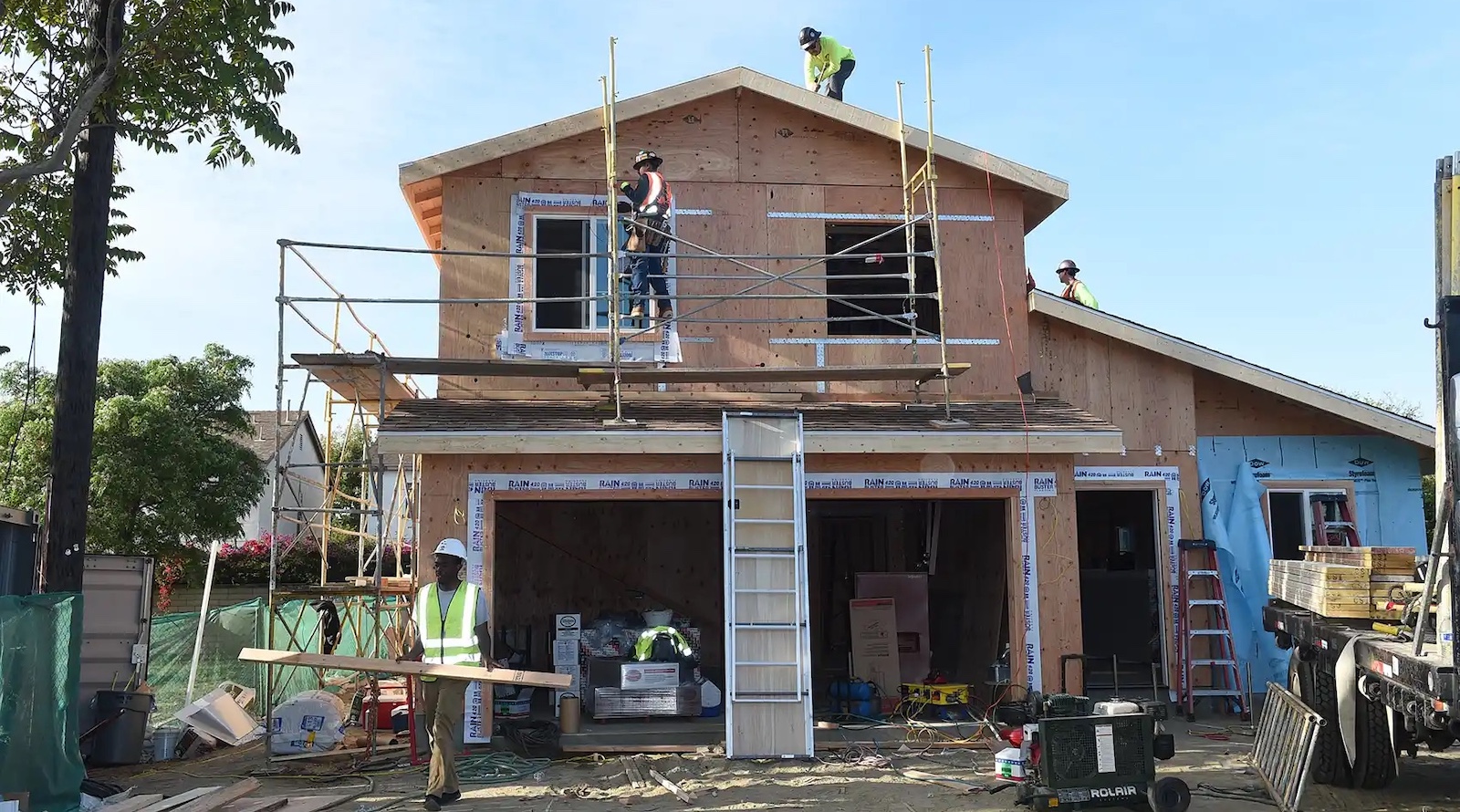
Habitat for Humanity of Greater Los Angeles is integrating three technologies to accelerate affordable housing construction and support wildfire recovery in the region. The organization will deploy an artificial intelligence-powered property technology platform for site identification, an AI-based planning and underwriting tool, and a mobile robotic microfactory to streamline the building process. This initiative addresses Los Angeles County’s housing affordability crisis, where median home values have increased significantly while incomes have grown only modestly, leaving communities vulnerable to housing shortages exacerbated by natural disasters.
National Grid is testing an automated process to connect new customers to power grids in Massachusetts and New York without requiring costly infrastructure upgrades. The utility serves over 20 million people in regions with aging power systems and dense populations, creating challenges when adding new demand. The demand-management tool being developed aims to maintain grid capacity while enabling faster customer connections and potentially reducing energy costs.
WinnCompanies, a major affordable housing operator, is implementing networked building controls in four multifamily residences in the Northeast to optimize energy consumption during high-demand periods. The system is projected to achieve energy savings of 15 to 30 percent while protecting vulnerable populations including military families and seniors from elevated winter energy costs. The National Laboratory of the Rockies will provide technical support to stress-test the system before broader deployment.
Tucson Electric Power is partnering with the city of Tucson to develop a microgrid-powered cooling center designed to maintain operation during grid failures. The utility will also integrate artificial intelligence tools to quantify economic benefits of the new infrastructure and create a digital twin of the city’s grid system. This project addresses critical heat-related health risks in Pima County and demonstrates potential resilience strategies for other heat-vulnerable communities.
Article Attribution | Read More at Article Source
Article summary produced by Claude AI