

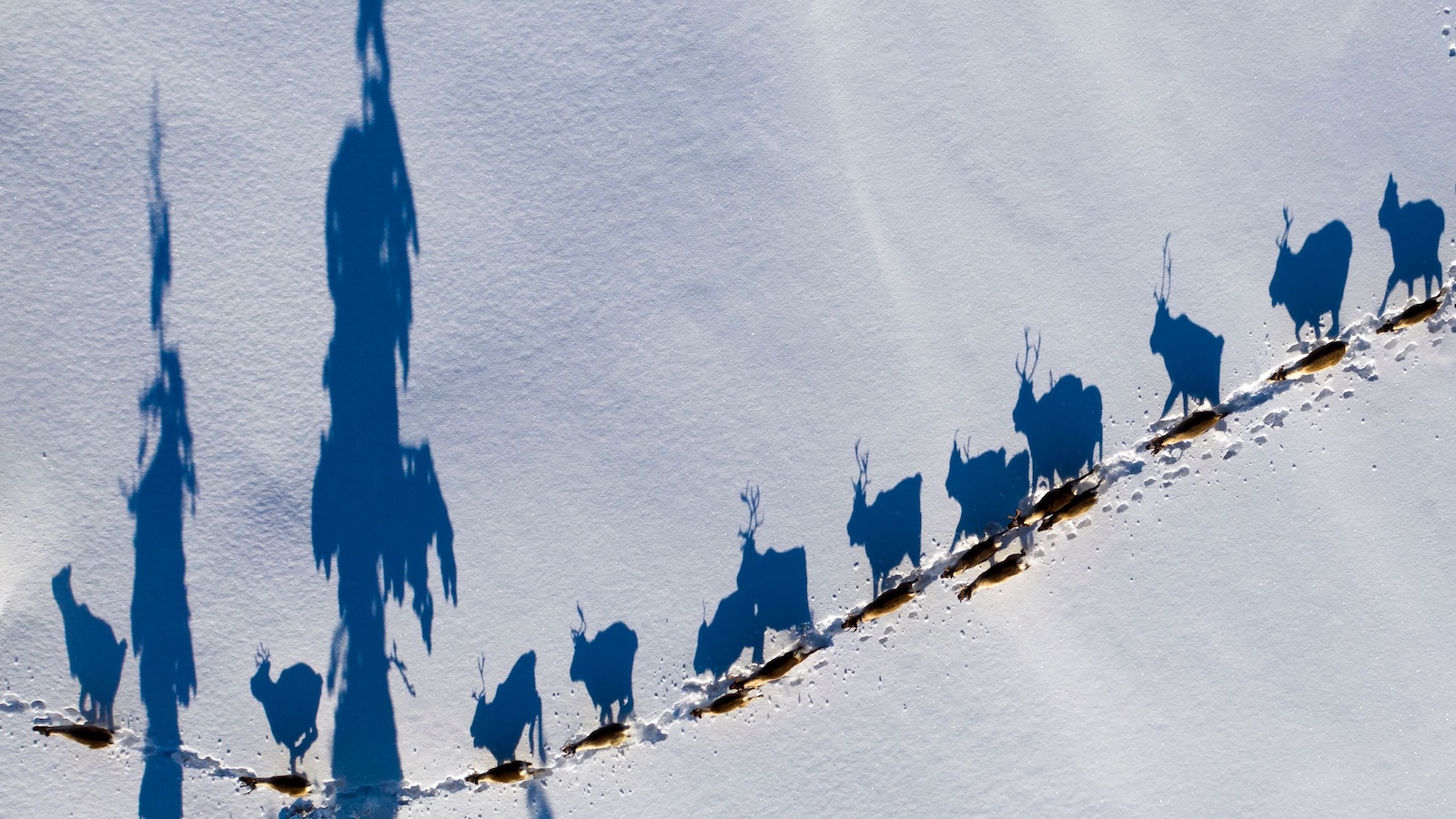
Hundreds of Indigenous representatives from around the world convened in Geneva last week at the United Nations Expert Mechanism on the Rights of Indigenous Peoples to address mounting threats to their communities, particularly those stemming from climate change and historical colonialism. The Sámi people of the Arctic, for example, face accelerating environmental degradation as warming temperatures cause snow to melt and refreeze, creating ice layers that prevent reindeer from accessing lichen below and drastically increasing animal starvation rates. This crisis directly threatens the survival of traditional resource-dependent cultures and livelihoods across multiple continents.
A central theme of the gathering centered on structural barriers that limit Indigenous participation in international forums. Currently, Indigenous nations and organizations must participate through member states or registered civil society organizations, which constrains their ability to influence global policy decisions that directly impact their lands and peoples. Delegates emphasized that this framework inadequately represents Indigenous priorities, particularly regarding environmental protection and sustainable land management, which they argue conflict with the economic growth agendas often prioritized by national governments.
Advocates called for enhanced participation—a U.N. term referring to efforts to grant Indigenous institutions and representatives the same access and decision-making power as member states. Proposed recommendations included establishing clear timelines for participatory status, creating independent accreditation mechanisms to prevent government vetoes of Indigenous representatives, and securing sustainable funding for participation. Beyond structural changes, delegates identified practical barriers including limited communications technology in remote communities, insufficient financial resources, and budget shortfalls in the U.N. Voluntary Fund for Indigenous Peoples, which assists delegates with travel expenses.
Delegates also highlighted resistance from some governments to formally recognize Indigenous peoples and grant them associated rights. Despite progress on some fronts, representatives expressed concern that meaningful change remains slow. However, many participants drew encouragement from witnessing their peers share experiences of perseverance and collaboration, reinforcing their commitment to continued advocacy for Indigenous representation in global decision-making processes affecting their communities’ survival and future generations.
Article Attribution | Read More at Article Source
Article summary produced by Claude AI