

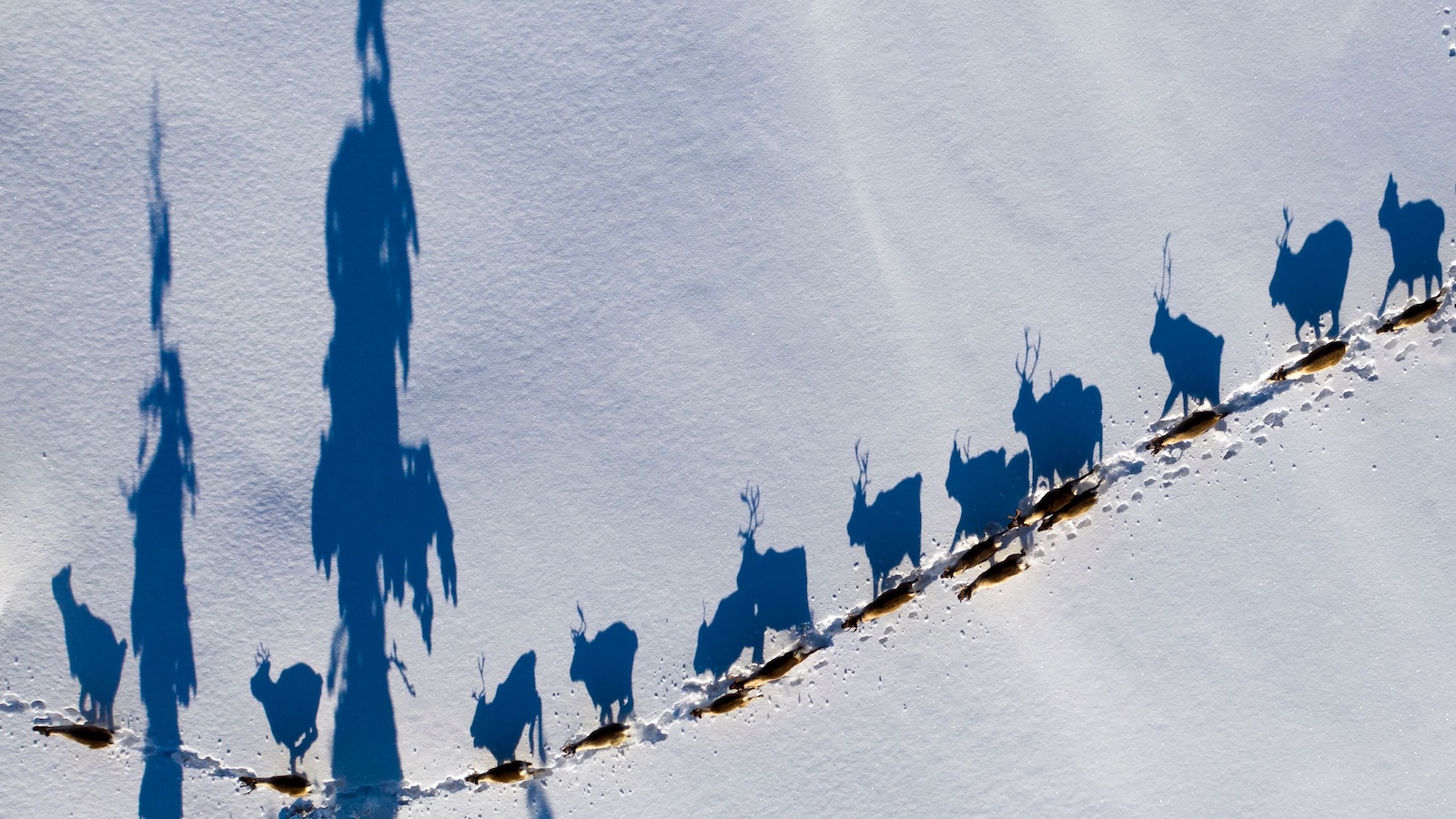
Indigenous representatives from around the world convened last week in Geneva at the United Nations Expert Mechanism on the Rights of Indigenous Peoples to address mounting threats from climate change and colonialism. Participants highlighted how environmental degradation directly impacts their survival, with examples including accelerated Arctic warming that prevents reindeer from accessing food sources and threatens the Sámi people’s cultural practices.
The delegates emphasized that current UN structures limit their influence on global decision-making. Indigenous nations must participate through member states or registered civil society organizations, restricting their ability to advocate directly for their priorities. Additionally, financial constraints, technology access challenges, and budget shortfalls in the UN Voluntary Fund for Indigenous Peoples create significant barriers to participation for under-resourced communities.
Indigenous leaders called for what the UN terms “enhanced participation,” which would grant Indigenous nations and organizations the same access and authority as member states. Proposed solutions include establishing clear timelines for participatory status, creating independent accreditation mechanisms that prevent states from vetoing Indigenous representatives, and providing sustainable funding for participation. Leaders stressed that Indigenous peoples should have the right to choose their own representatives without government intermediaries.
Participants also noted fundamental differences between Indigenous and state priorities regarding environmental protection. While many governments prioritize economic interests, Indigenous communities emphasize long-term ecosystem preservation for future generations. Representatives argued that greater Indigenous participation in international forums would improve decision-making processes that affect their lands, health, human rights, and environmental futures, while benefiting all nations through more diverse perspectives at the highest levels of global governance.
Article Attribution | Read More at Article Source
Article summary produced by Claude AI