

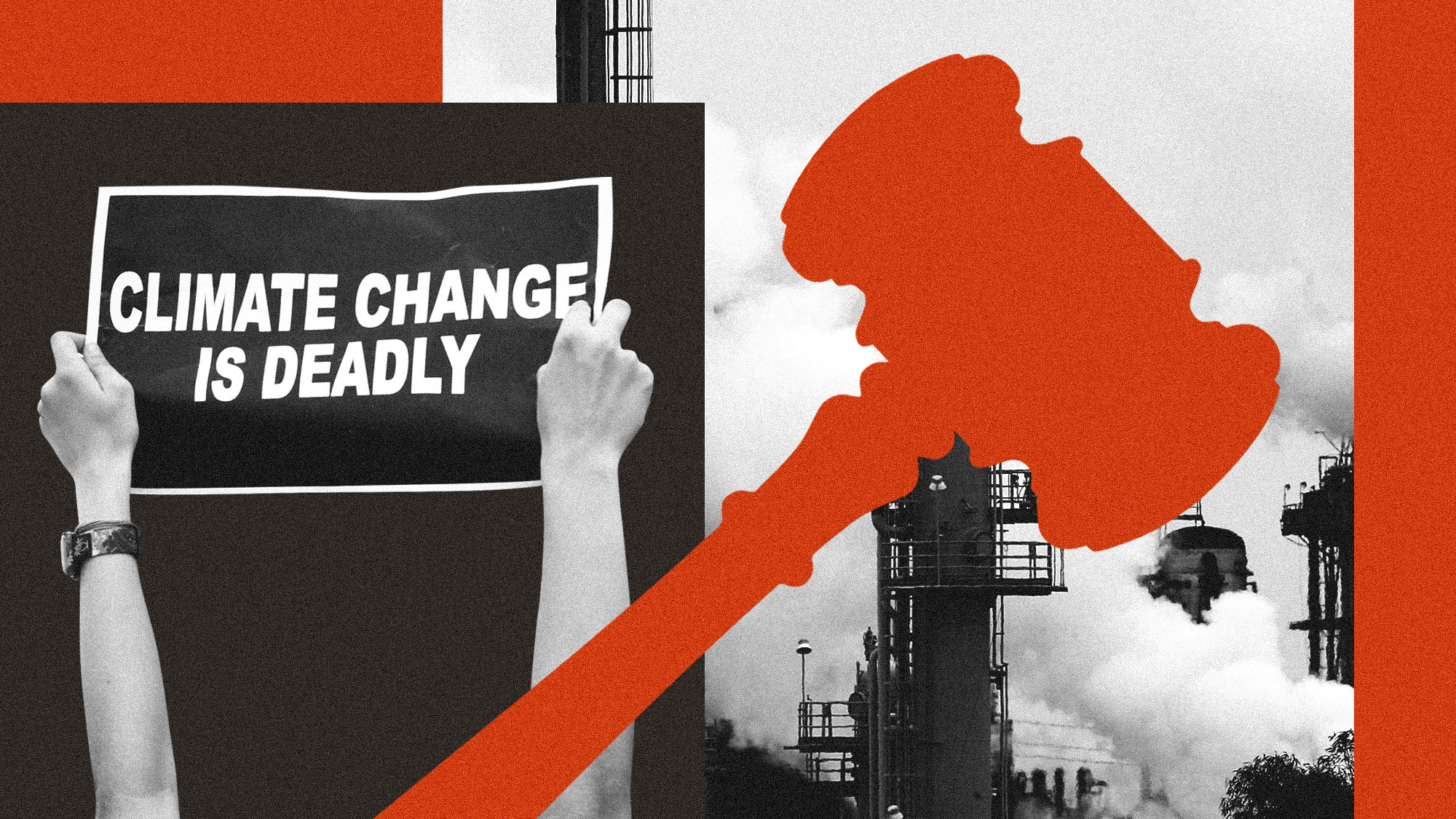
Multiple climate liability lawsuits against oil companies have progressed significantly, with a Washington state case proceeding to trial after a judge rejected motions to dismiss. The lawsuit, filed by Misti Leon following her mother’s death during an extreme heat event in June 2021, alleges that major oil corporations including Exxon Mobil, BP, Chevron, and Shell knowingly concealed the dangers of fossil fuel emissions for decades while deceiving the public about climate risks.
Approximately 40 climate litigation cases are pending across the United States, with at least five having advanced to the discovery phase where evidence is being exchanged between parties. These cases represent a significant legal threat to the oil industry, according to climate accountability advocates. The lawsuits employ various legal theories, including attribution science, which seeks to quantify how climate change and specific company emissions have intensified extreme weather events. A pending Supreme Court case from Boulder, Colorado, could influence the trajectory of existing litigation.
The oil industry has mounted a coordinated defense strategy in response to these lawsuits. Republican-controlled states including Utah, Iowa, Tennessee, Oklahoma, and Louisiana have enacted laws providing immunity to fossil fuel companies from climate-related lawsuits. Federal legislation introduced by Congressional Republicans would offer broader protections. The American Petroleum Institute has identified stopping climate liability policies as a 2026 priority, and investigations have revealed funding connections between oil companies and conservative groups promoting immunity legislation.
The Trump administration has joined industry efforts by directing the Justice Department to challenge climate lawsuits by states, with recent interventions in cases including Minnesota’s action. A former Exxon lawyer has joined the Justice Department’s newly restructured division handling energy matters. Additionally, the administration has questioned the conduct of the National Academies of Sciences following release of a major report strengthening the scientific link between climate change and extreme weather events.
Scientific evidence supporting these cases has become increasingly robust, with recent reports from the National Academies concluding that the connection between climate change and extreme heat, cold, and precipitation is well-established. The escalating legal, legislative, and executive branch activities reflect the high stakes for both sides in determining whether oil companies can be held financially responsible for climate damages.
Article Attribution | Read More at Article Source
Article summary produced by Claude AI