

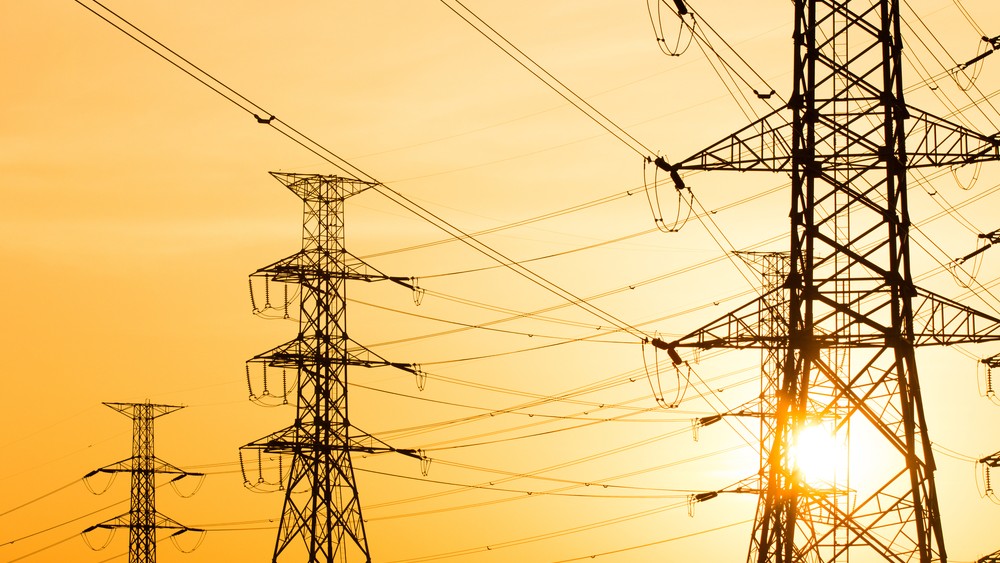
Australia is advancing its shift toward renewable energy sources as aging coal infrastructure ages and market forces drive investment in cleaner alternatives. The country historically relied heavily on coal for electricity generation, but this dependency has declined significantly. In 2025, black coal accounted for 37.5 percent of electricity production and brown coal for 12.1 percent, marking a substantial decrease from combined contributions of approximately 80 percent in 2000.
Government policy has supported this transition through initiatives such as the Renewable Energy Target (RET), launched in 2024, which aims to increase renewable electricity generation to 33,000 gigawatt-hours annually between 2020 and 2030. The momentum is being driven primarily by economic factors rather than stringent regulation, according to Daniel Westerman, CEO of the Australian Energy Market Operator. He stated that coal-fired power stations are being retired and replaced by renewable energy sources paired with storage systems, with natural gas playing a supporting role.
Renewable energy generation increased to 42.7 percent of Australia’s electricity supply in 2025, up from 38.9 percent the prior year. Wind power contributed 15.7 percent, rooftop solar 13.9 percent, utility-scale solar 7.7 percent, and hydropower 5.3 percent. New renewable energy capacity additions totaled 5.9 gigawatts, representing a 28.3 percent increase year-over-year. Solar projects dominated new utility-scale installations, with 3.3 gigawatts of capacity commissioned, while seven approved wind projects totaled 1.4 gigawatts.
Battery storage capacity expanded dramatically, with home battery sales rising 260 percent and large-scale battery capacity increasing 233 percent from 2024 to 2025. Nearly 270,000 residential batteries were installed, positioning Australia as the world’s third-largest utility-scale battery market. The growth reflects favorable national battery storage policies and competitive pricing from Chinese suppliers. In March, the government approved 14 energy projects valued at $24 billion through its newly established Investment Delivery Authority, which utilizes streamlined assessment processes to accelerate renewable energy deployment and infrastructure improvements.
Article Attribution | Read More at Article Source
Article summary produced by Claude AI