

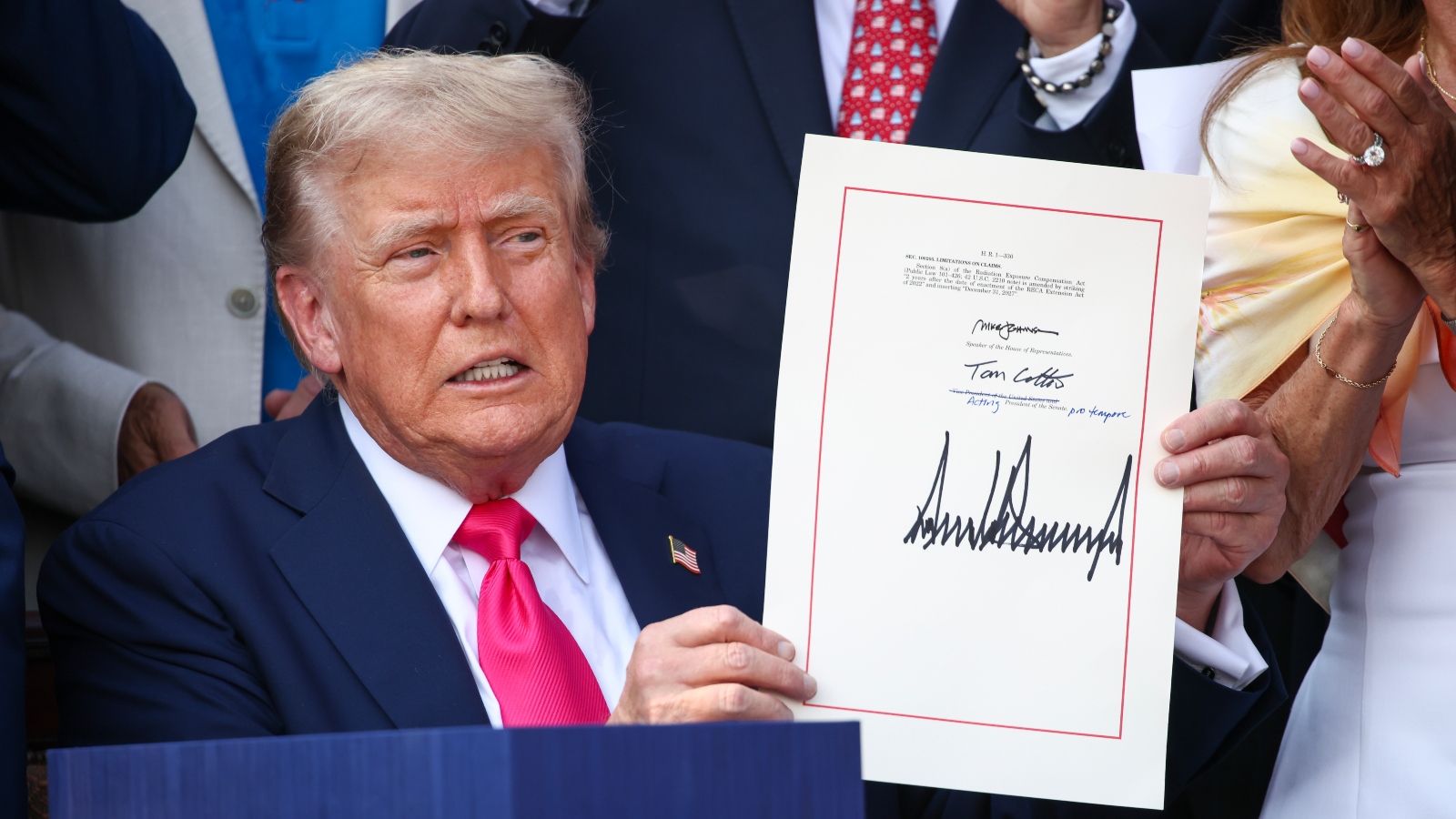
The Inflation Reduction Act, passed in 2022, represented the most substantial climate investment in U.S. history, channeling billions in tax credits to renewable energy developers and electric vehicle manufacturers. The legislation catalyzed a manufacturing boom and positioned the country to reduce carbon emissions by 50 percent from peak levels by 2035. However, the law’s lifespan proved brief. In July of last year, President Donald Trump signed comprehensive tax reform legislation repealing nearly all major IRA subsidies, a measure Trump characterized as ending the “Green New Scam.”
The repeal’s impact on climate progress has been substantial but uneven. The emissions reduction trajectory has shifted dramatically downward, with the country now tracking toward a 30 percent reduction by 2035 rather than the 50 percent target the IRA promised. Manufacturers and developers have canceled dozens of solar and wind projects alongside battery production facilities. The electric vehicle sector has experienced the most severe consequences, with cancellations and closures eliminating more than 250,000 jobs. Economic analyses indicate the repeal wiped out approximately $53 billion in construction wages and $20 billion in tax revenue, while eliminating projects that would have generated $55 billion in annual economic output.
Despite these setbacks, the energy transition has not halted entirely. Most existing solar and wind projects continue advancing because they remain profitable without subsidies, driven by declining renewable costs and competitive advantages over fossil fuels. Research from MIT suggests roughly 75 percent of clean power expected under the IRA will still be deployed, with solar proving particularly resilient. Additional demand from artificial intelligence data centers seeking renewable energy has unexpectedly supported continued clean energy development, with major technology companies now committing billions to renewable infrastructure.
Experts and industry leaders increasingly focus on addressing structural barriers beyond tax incentives. Transmission line construction and permitting reform have emerged as potential priorities that could accelerate deployment regardless of subsidy levels. Congress has been considering bipartisan legislation aimed at expediting approvals for transmission infrastructure. However, permitting reform remains contentious among environmental advocates and tribal nations concerned about impacts on protected lands and sacred territory. The path forward involves balancing market momentum with regulatory frameworks that enable rather than impede clean energy development.
Article Attribution | Read More at Article Source
Article summary produced by Claude AI