

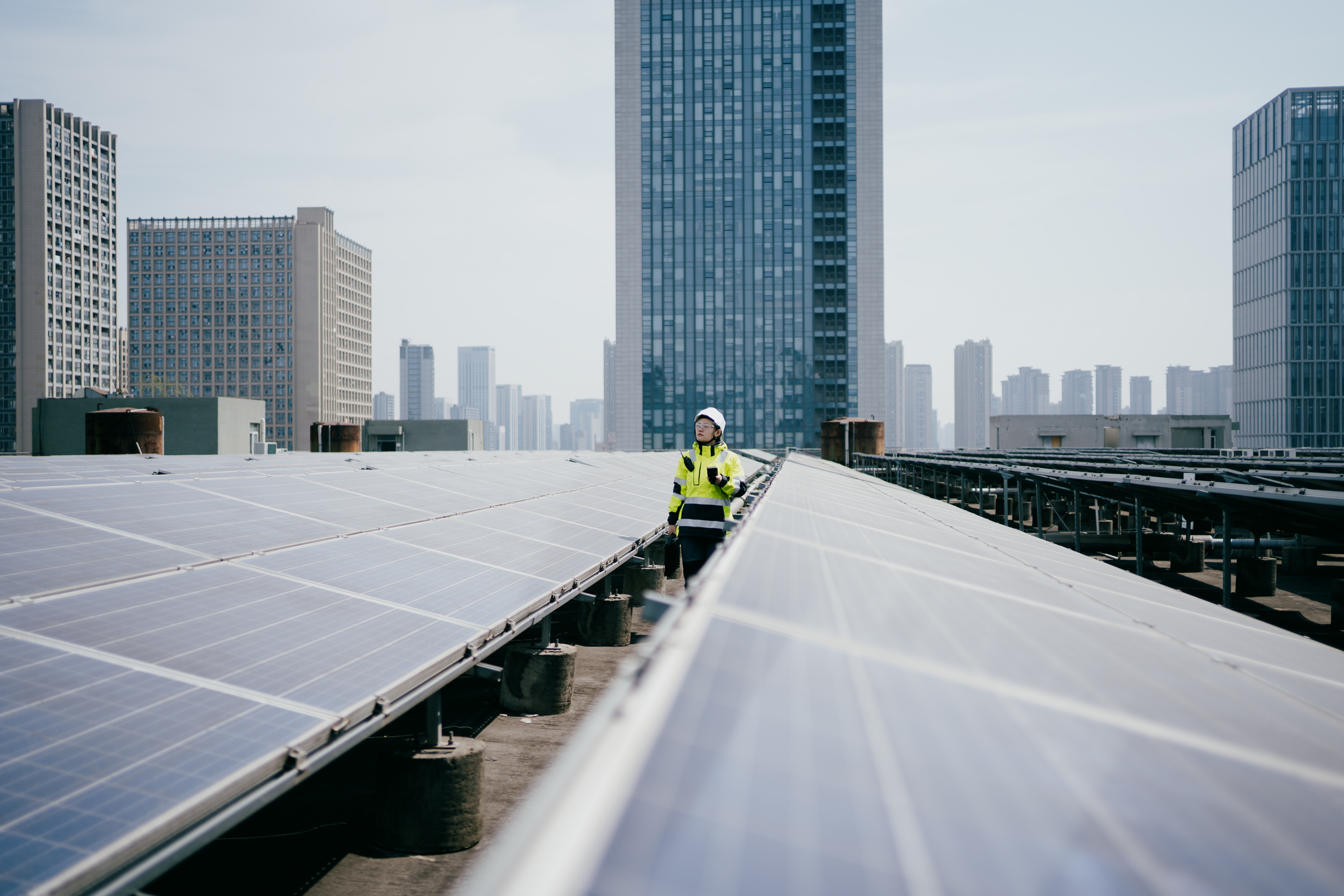
China’s solar panel manufacturers are navigating a significant market imbalance characterized by excess production capacity and sustained financial losses. The country’s factories can currently produce roughly twice the global demand for solar products, and announced plans could double capacity further. This oversupply has triggered intense price competition among producers, with the industry reporting $1.5 billion in collective losses in the first quarter of 2026, extending a trend of continuous unprofitability spanning approximately three years. Major manufacturers including JinkoSolar and Longi face additional headwinds from slowing domestic installations, international trade barriers, and weakened global demand.
Chinese officials have pursued various measures to address the problem since designating solar as a strategic industry in 2010, but interventions have had limited effectiveness in stabilizing prices or curbing production expansion. Regional governments, which maintain significant financial stakes in local solar supply chains, have been reluctant to restrict development. Some manufacturers have even constructed unlicensed facilities to increase output. Chinese officials have employed the term “neijuan,” or involution, to describe this self-defeating competitive dynamic, a pattern that has emerged across multiple Chinese industries receiving substantial public investment.
Despite the industry’s profitability challenges, China’s approach emphasizes advancing technological capabilities rather than reducing overcapacity. The government’s most recent five-year plan signals continued support for solar and other clean energy sectors through optimization and upgrade initiatives. This strategy contrasts sharply with the United States’ market-driven approach, where policy support has recently weakened, leaving domestic producers unable to meet national demand and reliant on foreign components.
The persistent oversupply has delivered significant benefits to global decarbonization efforts through consistently affordable solar panels and components. Solar electricity exceeded coal-generated power in the United States for the first time on record in May, and renewable sources collectively met all new global electricity demand in 2025. Analysts suggest that absent geopolitical disruptions or unsustainable business model failures, low-cost Chinese solar products will likely remain available for several additional years, supporting international climate goals.
Article Attribution | Read More at Article Source
Article summary produced by Claude AI