

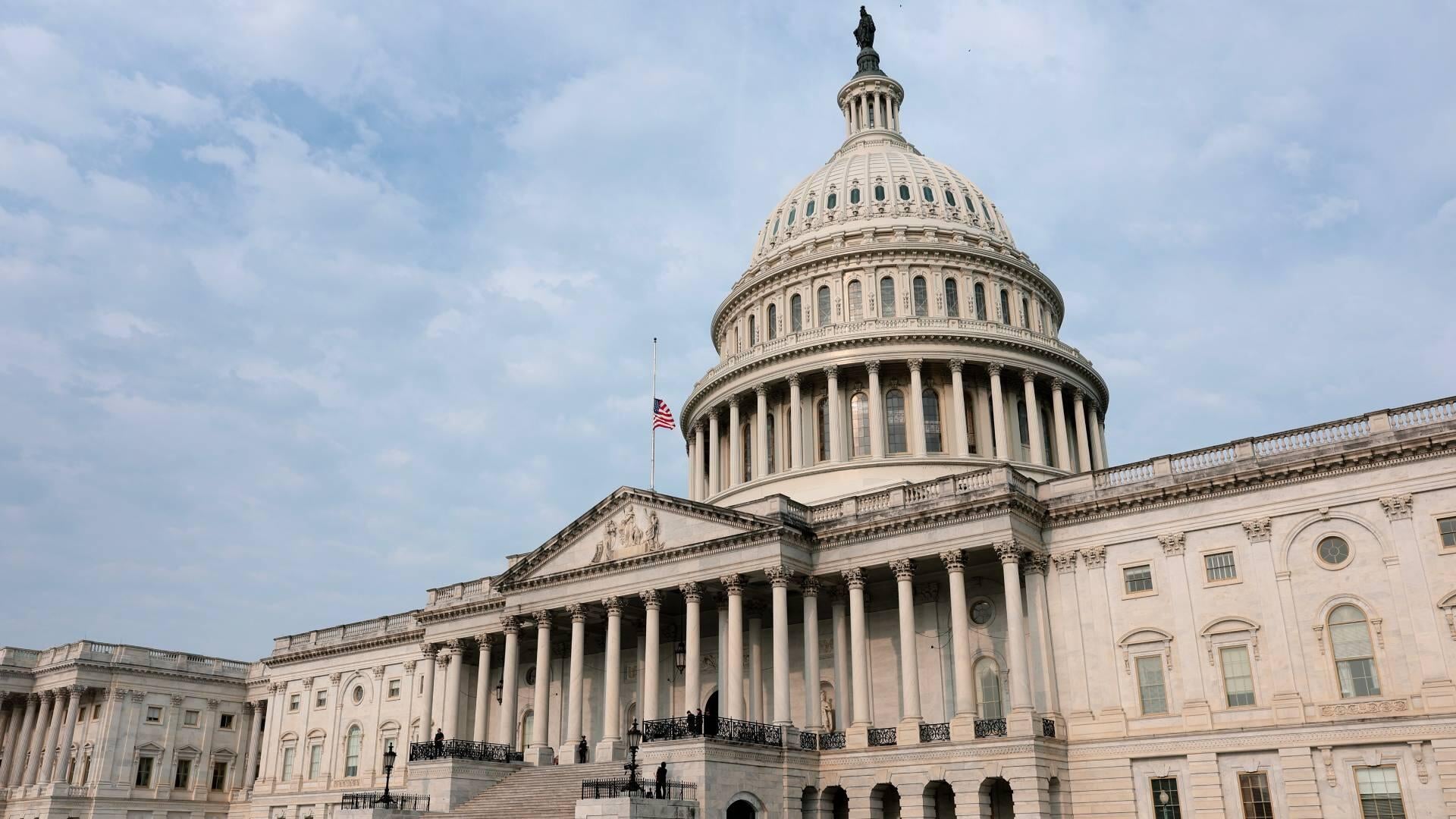
Congressional staff and White House counsel worked through the night on Wednesday to finalize the Protect College Sports Act, a sweeping bipartisan measure designed to overhaul college athletics governance. The legislation would grant the NCAA and its conferences an antitrust exemption to enforce spending caps, transfer limits, and eligibility rules that courts have recently invalidated.
The bill’s co-authors—Senators Ted Cruz, Maria Cantwell, and Eric Schmitt—set a 9 a.m. Wednesday deadline for conference positions, but Big Ten and SEC leadership had not responded by that time. Big Ten athletic directors met for nearly four hours in Chicago, extending well past the deadline. A Senate staff member subsequently issued a statement indicating that lawmakers’ patience was eroding, noting that passing the legislation before the August 7 congressional recess was becoming increasingly unlikely. Many observers believe Senate Majority Leader John Thune must file for cloture by Thursday for the bill to reach the floor for a vote next week.
The primary stalemate centers on the “associated entities” provision, which aims to close a loophole allowing schools to channel money to athletes through corporate sponsors and multimedia rights partners, thereby circumventing revenue-share caps. Conference representatives stated they had not yet reviewed formal legislative text addressing how these associated entity deals would function under the new cap structure. Big Ten Commissioner Tony Petitti emphasized that scheduling additional calls with university presidents would be impossible without proper bill language finalized first. According to documents obtained, the revised bill creates a retention pool exception of $20 million above the existing revenue-share cap, with an additional $5 million potentially available exclusively for women’s institutional NIL deals.
Additional complications emerged when Title III, labeled the “Ignite HBCUs Sports and Media Act,” appeared in the bill’s text without advance notice to conference leadership. Conference officials received no explanation for the provision’s inclusion before the deadline. The bill also includes a 19-team conference membership cap that has puzzled Big Ten leadership, as it would restrict the Big Ten to adding only one more member while allowing the SEC three additional members.
The Big Ten confirmed that the four power conferences are preparing alternative plans, including potential modifications to the House v. NCAA settlement and possible self-governance models, should the legislation collapse. While sources indicated that the probability of the bill reaching the Senate floor remains relatively high, the final language clarifications are proving substantially more difficult than anticipated. The SEC’s presidents and chancellors are scheduled to meet Thursday afternoon, with the legislation expected to dominate discussions.
Article Attribution | Read More at Article Source
Article summary produced by Claude AI