

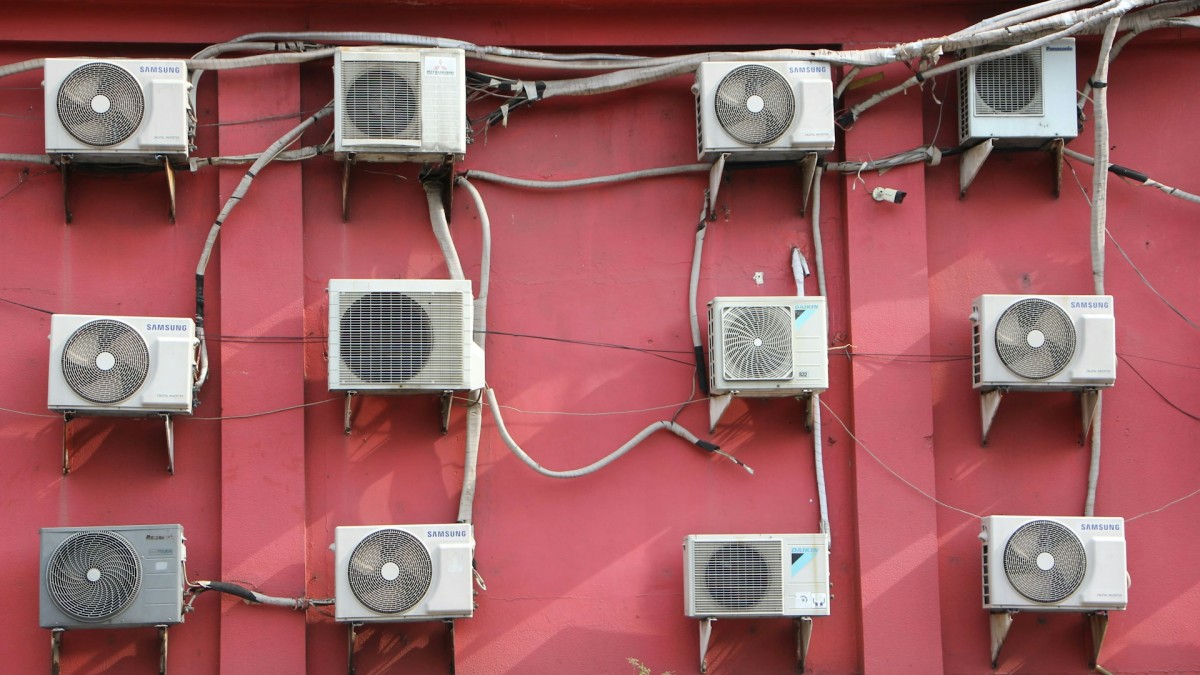
Air conditioning has emerged as a critical infrastructure concern amid intensifying heat waves worldwide. While the technology is credited with preventing approximately 190,000 deaths annually by providing relief from dangerous temperatures, it simultaneously contributes significantly to greenhouse gas emissions. Refrigeration and air conditioning currently account for 7 percent of global emissions, with projections showing emissions doubling by 2030 and tripling by 2050.
The reliance on mechanical cooling presents a complex challenge. Experts note that while air conditioning saves lives in the short term, expanding its use creates substantial pressure on electricity systems and intensifies urban heat. According to recent research, though more than 80 percent of the global population experiences heat requiring cooling solutions, only 40 percent have access to air conditioning units. The disparity is most severe in poorer, hotter nations that lack capital to upgrade electrical infrastructure and expand energy production capacity.
The impact of cooling technology inequality is particularly acute in lower-income households. Poor consumers spend as much as 8 percent of their income on cooling compared to 0.2 to 2.5 percent in wealthier households. Additionally, the least efficient units—typically those purchased by the poorest populations—consume more electricity and are often installed in poorly insulated homes, creating compounding efficiency problems.
Scientists and researchers argue that exclusive reliance on air conditioning is unsustainable. A study in Nature Reviews Clean Energy found that passive cooling technologies could reduce air conditioning demand by up to 80 percent and lower ambient temperatures by more than 4 degrees Celsius. Technologies such as ventilative cooling and solar control are already at mature development stages and could be rapidly deployed. Experts contend that policy support is necessary to prioritize these alternative cooling methods as a primary strategy before mechanical cooling, addressing both climate concerns and equity issues.
Article Attribution | Read More at Article Source
Article summary produced by Claude AI