

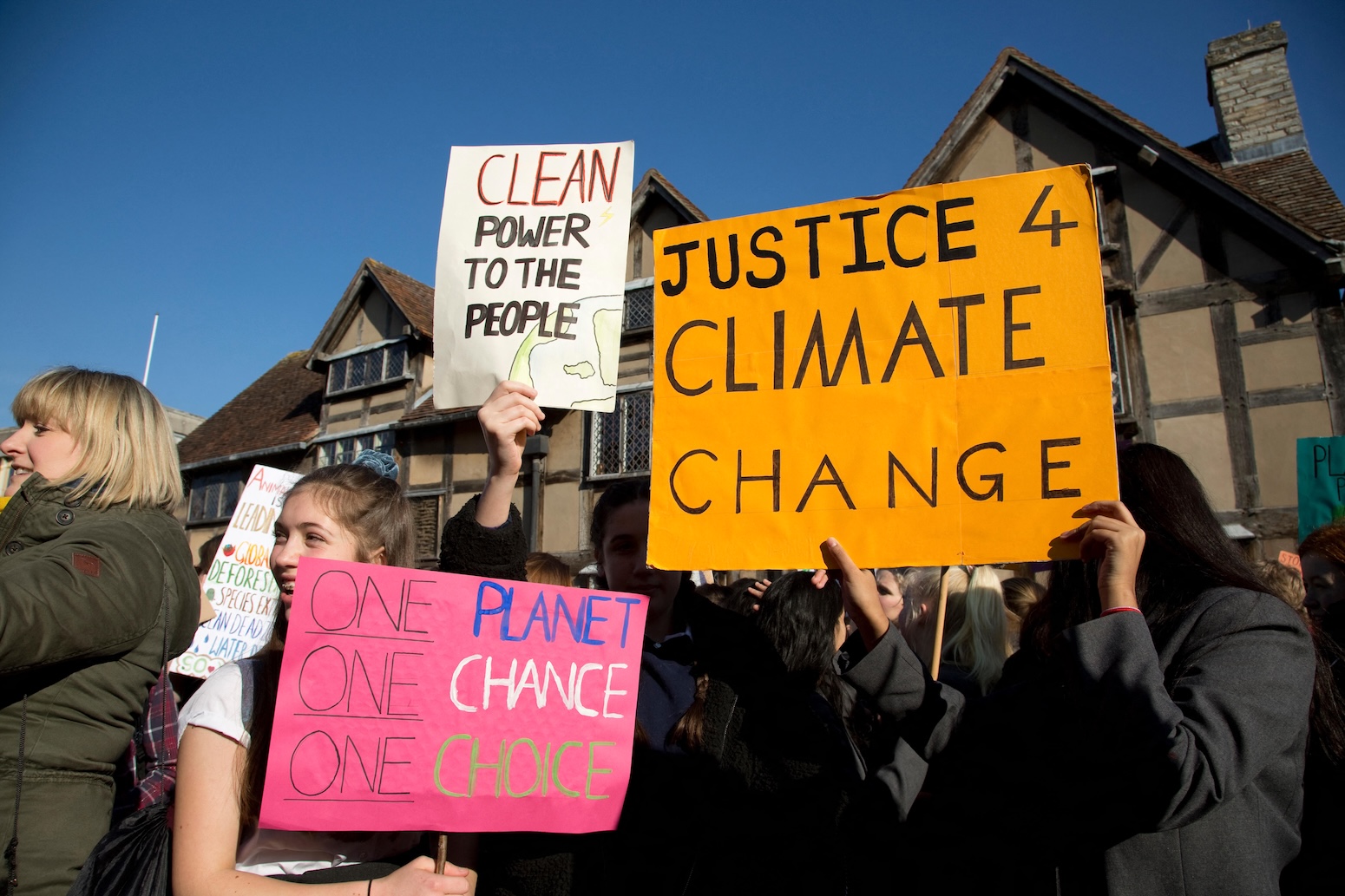
Research published in Nature Climate Change reveals a significant gap between public statements of support for climate action and actual behavioral engagement. The study, based on surveys of more than 5,000 participants across Germany and the US conducted over 2024-25, examined how people’s perceptions of others’ climate attitudes and behaviors relate to their own willingness to take climate-friendly actions.
The research found a consistent pattern where most participants expressed support for climate initiatives, yet substantially fewer engaged in verifiable behaviors. In one survey, 37% of participants said they would donate to environmental organizations, but only 4% actually did when given the opportunity. Similarly, participants overestimated how many of their peers took climate action, predicting 23% donated compared to the actual 4%, while slightly underestimating stated willingness at 34%.
The authors attribute these estimation errors not to ignorance or bias, but to inherent limitations in human cognitive processes when assessing large groups. The data demonstrated a phenomenon called “regression to the mean,” where high levels of support were underestimated and lower levels were overestimated, with predictions consistently shifting toward the middle ground.
A key finding suggests that simply correcting perception gaps—informing people that most support climate action—does not automatically translate to increased real-world engagement. When participants learned that 68% of people were willing to donate, they reported greater willingness to donate themselves, yet this knowledge did not result in more actual donations. Participants told that only 4% actually donated showed no increased willingness to take any climate-friendly actions.
The researchers recommend that policymakers shift focus from attempting to correct misperceptions toward strategies that facilitate climate-friendly behaviors through convenience and subsidies. They emphasize the importance of targeted communication aimed at the majority who already support climate action, and suggest that emphasizing the effectiveness and co-benefits of climate initiatives may prove more effective than addressing perception gaps alone.
Article Attribution | Read More at Article Source
Article summary produced by Claude AI