

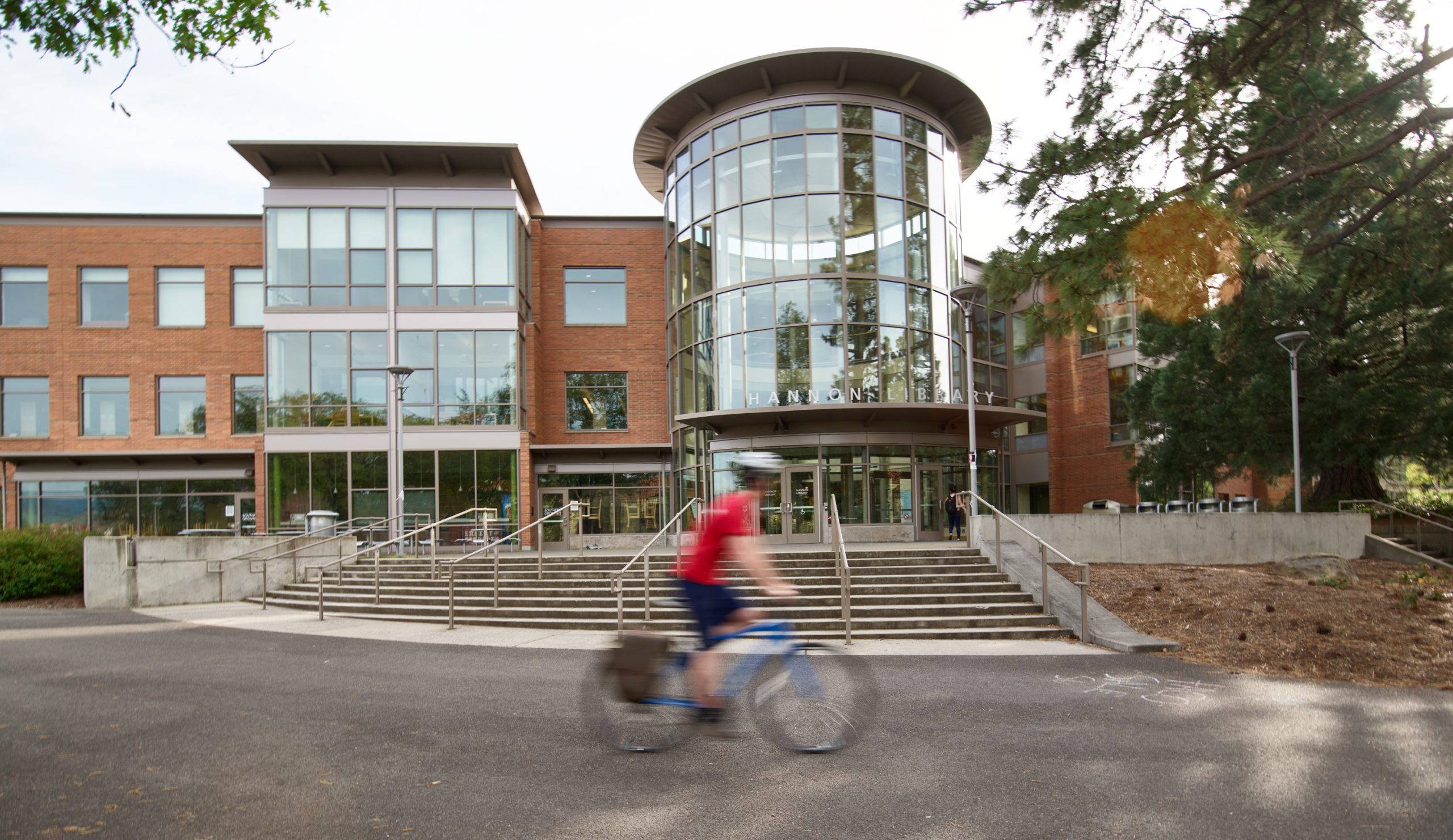
Southern Oregon University in Ashland is navigating a severe financial crisis that threatens its continued operation. University officials have stated that without emergency state funding and substantial budget reductions, the 150-year-old public institution would be forced to close its doors.
The university discovered a $15 million budget shortfall earlier this year, attributed to ineffective budgeting strategies and computer system problems during a software transition. The situation became critical when administrators calculated they could not meet basic obligations including payroll and utilities by February 2027 without intervention. The state legislature responded with emergency one-time funding of $15 million, conditional on the university balancing its budget through significant cuts.
University leadership has implemented a plan called SOU Vitality to reduce spending by $20 million, representing approximately one-fifth of the annual budget. This includes eliminating one major program, cutting 61 faculty and staff positions, increasing class sizes, and reducing athletic department spending by more than $1.45 million. Combined with earlier cost-reduction measures, the university will have eliminated nine majors and reduced its workforce by 212 positions over four years. The university’s financial decline reflects broader trends, with revenue falling 9 percent between 2019 and 2024 compared to a 1 percent average decline nationally, and enrollment dropping 11 percent compared to a 4 percent national average.
President Richard Bailey, who took office in 2022, acknowledged responsibility for not maintaining sufficient awareness of the institution’s financial condition. The university serves a significant portion of students from rural areas and northern California counties eligible for in-state tuition rates. State officials have indicated no alternative funding sources exist if current recovery efforts fail, making closure a realistic possibility despite its unprecedented nature among public regional universities.
Students and faculty have expressed concerns about repeated budget cuts and their impact on academic quality and institutional stability, with some questioning whether current leadership strategies will prove sustainable long-term.
Article Attribution | Read More at Article Source
Article summary produced by Claude AI