

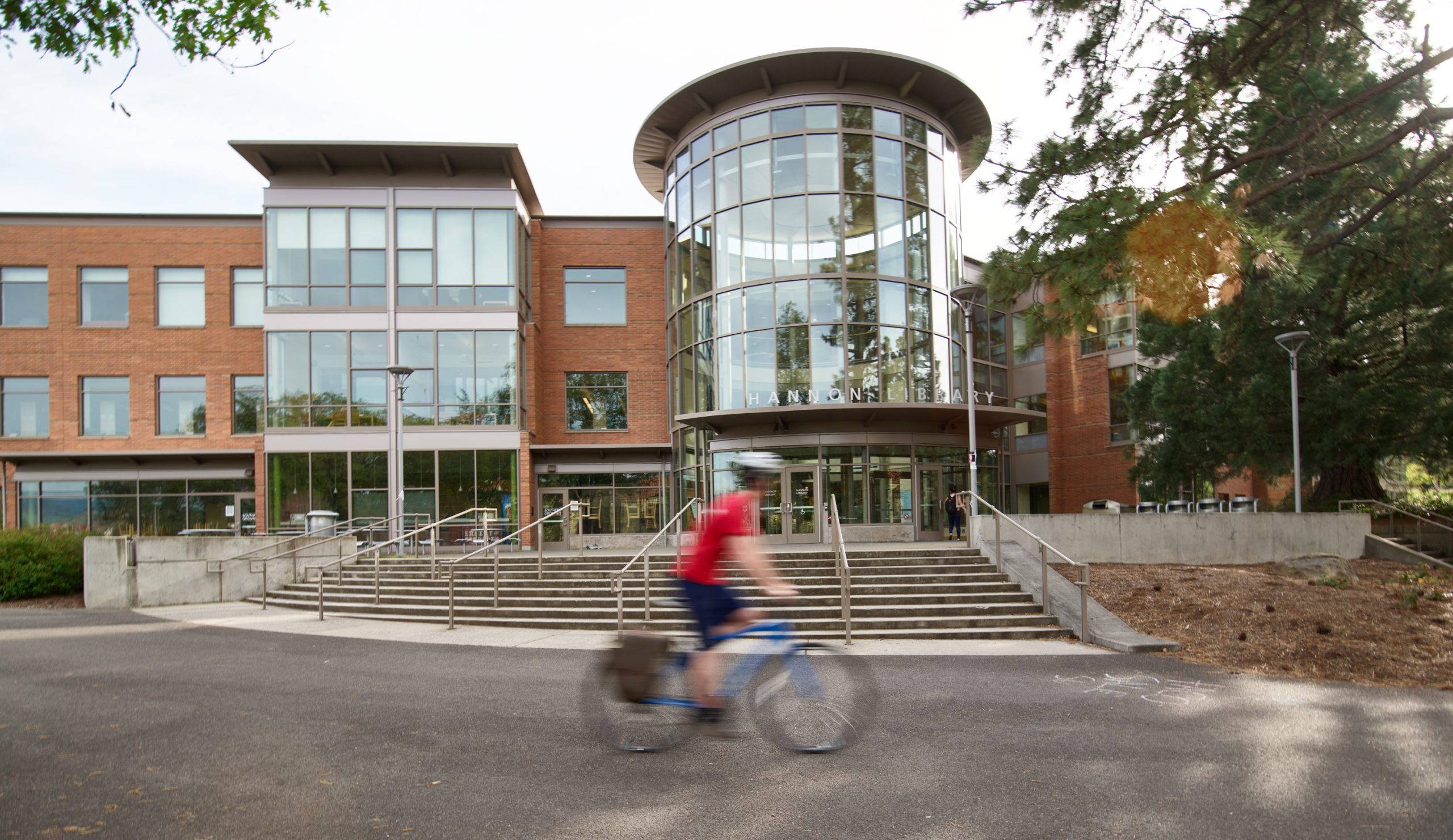
Southern Oregon University in Ashland, Oregon, is confronting a severe financial crisis that threatens its continued operation as a public institution. The university discovered a $15 million budget shortfall earlier this year, stemming from ineffective budgeting practices and difficulties during a transition between financial software systems. Without intervention, university officials stated the institution would be unable to meet basic obligations including payroll and utility payments by February 2027.
The state legislature provided emergency funding contingent on the university balancing its approximately $100 million annual budget through substantial cost reductions. In response, university leadership announced a plan to cut $20 million, representing roughly one-fifth of the total budget. The cuts include sunsetting one academic major, eliminating 61 faculty and staff positions, increasing class sizes, and reducing athletic department funding by more than $1.45 million. These reductions follow earlier cuts that eliminated eight majors, 11 minors, one graduate program, and 151 full-time positions, resulting in a cumulative loss of 212 positions over four years.
Southern Oregon’s financial deterioration reflects broader trends affecting regional public universities. Between 2019 and 2024, the institution’s revenue declined 9 percent adjusted for inflation, compared to a 1 percent average decline nationally. Enrollment dropped 11 percent versus a 4 percent national average. The university serves a geographically isolated region and serves approximately 30 percent students from northern California counties eligible for in-state tuition, making it a critical educational access point for rural communities.
University President Richard J. Bailey, who assumed leadership in 2022, acknowledged failing to maintain adequate financial oversight. He attributed the delayed discovery of the crisis to incomplete information during the software transition and insufficient monitoring of budget areas beyond the education and general fund. State officials have indicated no additional bailout funding will be available, and experts suggest the university has no viable alternative should its transformation plan fail.
Students and faculty have expressed significant concerns about institutional viability. Some students have considered transferring, while others have mobilized to advocate for the university’s survival. Faculty members have questioned leadership accountability and whether continued cuts represent a sustainable long-term strategy. State legislators are examining systemic funding issues across Oregon’s public higher education institutions as part of a broader study with recommendations due this fall.
Article Attribution | Read More at Article Source
Article summary produced by Claude AI