

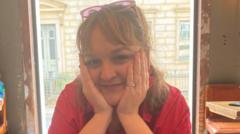
Daneka Etchells experienced severe menstrual symptoms beginning at age 12, including exceptionally heavy periods and intense pain. Initial medical interventions, including oral contraceptive prescription, proved ineffective. Despite multiple general practitioner visits over an extended period, she received no substantive diagnosis or treatment plan.
Etchells’ condition was eventually identified as endometriosis, a condition affecting one in 10 women. By the time of diagnosis, the disease had progressed significantly, causing extensive growth on nerves and ligaments connected to her legs. Although surgical removal was eventually performed, the prolonged delay resulted in permanent nerve damage and ongoing mobility limitations. Etchells characterizes her medical experience as “medical gaslighting,” a phenomenon in which healthcare providers dismiss or invalidate patient concerns, leading patients to question their own symptoms. Her diagnosis took 17 years to obtain, considerably longer than the average diagnostic timeline of nine years.
The turning point came when Etchells consulted a female general practitioner who prescribed medication and referred her to a gynaecologist. However, by this stage, significant physical damage had occurred. She subsequently underwent excision surgery through private treatment after saving funds and utilizing crowdfunding. Despite surgery, she continues to experience constant pain and requires mobility aids for daily activities.
Etchells’ experience parallels broader patterns documented by Healthwatch England, an organization working with the NHS to address poor patient experiences. According to William Pett, interim director of policy, medical dismissal “unfortunately” occurs frequently with conditions including attention-deficit/hyperactivity disorder and endometriosis. The organization reports that young people, women, and individuals identifying as LGBTQ most frequently report feeling unheard by healthcare professionals. Healthwatch England has advocated for reforms to the NHS complaints system and highlighted Martha’s Rule, recently implemented to enable rapid clinical review when patient conditions deteriorate.
Etchells’ situation has influenced her artistic work in a stage adaptation of The Secret Garden, a disabled-led production exploring themes of medical dismissal and self-advocacy. The adaptation reflects her experience through its portrayal of a character who was medically gaslit but ultimately learns to advocate effectively for himself.
Article Attribution | Read More at Article Source
Article summary produced by Claude AI