

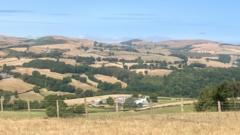
Wales is experiencing severe water stress as multiple regions approach environmental drought conditions following weeks of heatwaves and rainfall significantly below seasonal averages. The country received approximately 5% of typical July precipitation, combining with drier conditions throughout the spring months to create critically low river levels across much of the nation.
Natural Resources Wales announced last week that north and south-east Wales had transitioned to “prolonged dry weather” status, the initial stage preceding formal environmental drought declaration. An environmental drought differs from agricultural or public water supply crises—it occurs when ecosystem stress becomes severe due to prolonged rainfall deficits and elevated temperatures. Multiple major watercourses including the Clwyd, Wye, Conwy, and Dyfi rivers have reached exceptionally low flow levels, prompting authorities to release additional water from reservoirs to maintain minimum river flows and protect aquatic ecosystems.
Representatives from Wales’ rivers advocacy organizations and agricultural sector highlighted mounting concerns about ecological and economic impacts. Dramatically elevated water temperatures, with readings as high as 28 degrees Celsius recorded in some rivers, pose survival threats to fish and other aquatic species. Several watercourses have already experienced complete drying, resulting in documented fish mortality. Farmers reported crop damage, early harvesting, heat-stressed livestock, and failing natural water sources on their properties, with some describing field conditions as “bone dry.”
While forecasters predicted modest rainfall over the coming weekend, water management officials warned recovery would require extended time. Environmental authorities urged public water conservation through measures such as shorter showers and garden watering practices to protect remaining river ecosystems. Meanwhile, Welsh Water emphasized that its separate operational drought measures, including hosepipe restrictions affecting thousands of properties in western regions, operate independently from environmental drought declarations and reflect local supply capacity rather than ecosystem conditions alone.
Article Attribution | Read More at Article Source
Article summary produced by Claude AI