

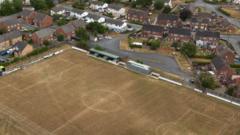
Natural Resources Wales declared a nationwide drought on Thursday, extending coverage across the entire country after previously limiting the declaration to northern and central regions. The environmental body cited sustained high temperatures and severe precipitation deficits as primary drivers of the condition. Data indicated the nation had received only 8% of its typical monthly rainfall in July, positioning the month on track to be the driest in recorded history spanning 190 years. Most waterways are experiencing exceptionally reduced levels, and groundwater measurements have fallen below seasonal norms across various locations.
The drought declaration reflects widespread deterioration in environmental conditions. Visible impacts include riverbeds drying out, distressed fish populations, excessive algae accumulation, and elevated wildfire danger. A particularly significant blaze in the Rhinogydd mountains in Gwynedd was visible from satellite imagery, prompting aerial firefighting intervention. The First Minister announced a summit to address fire risks associated with severe drought conditions. While water companies have confirmed that residential water supply reservoirs remain adequate following a wet period earlier in the year, the drought declaration will impose stricter water usage guidelines and activate enhanced river monitoring protocols. Industrial water users holding extraction licenses will face usage limitations.
Agriculture has experienced substantial disruption. Multiple farmers reported severe impacts on crop viability and livestock management. One operator in Wrexham sold 60 cattle after drought eliminated available grazing vegetation, while another farmer in the Vale of Glamorgan described soil conditions as rock-hard with no moisture, preventing crop planting entirely. Wheat yields are projected to decline 20-30%, creating cascading financial consequences. The National Farmers Union Cymru leadership warned of rising operational costs from supplementary feed purchases and water transportation, emphasizing the interconnection between water security and food production capabilities across Wales and the broader region.
Article Attribution | Read More at Article Source
Article summary produced by Claude AI