

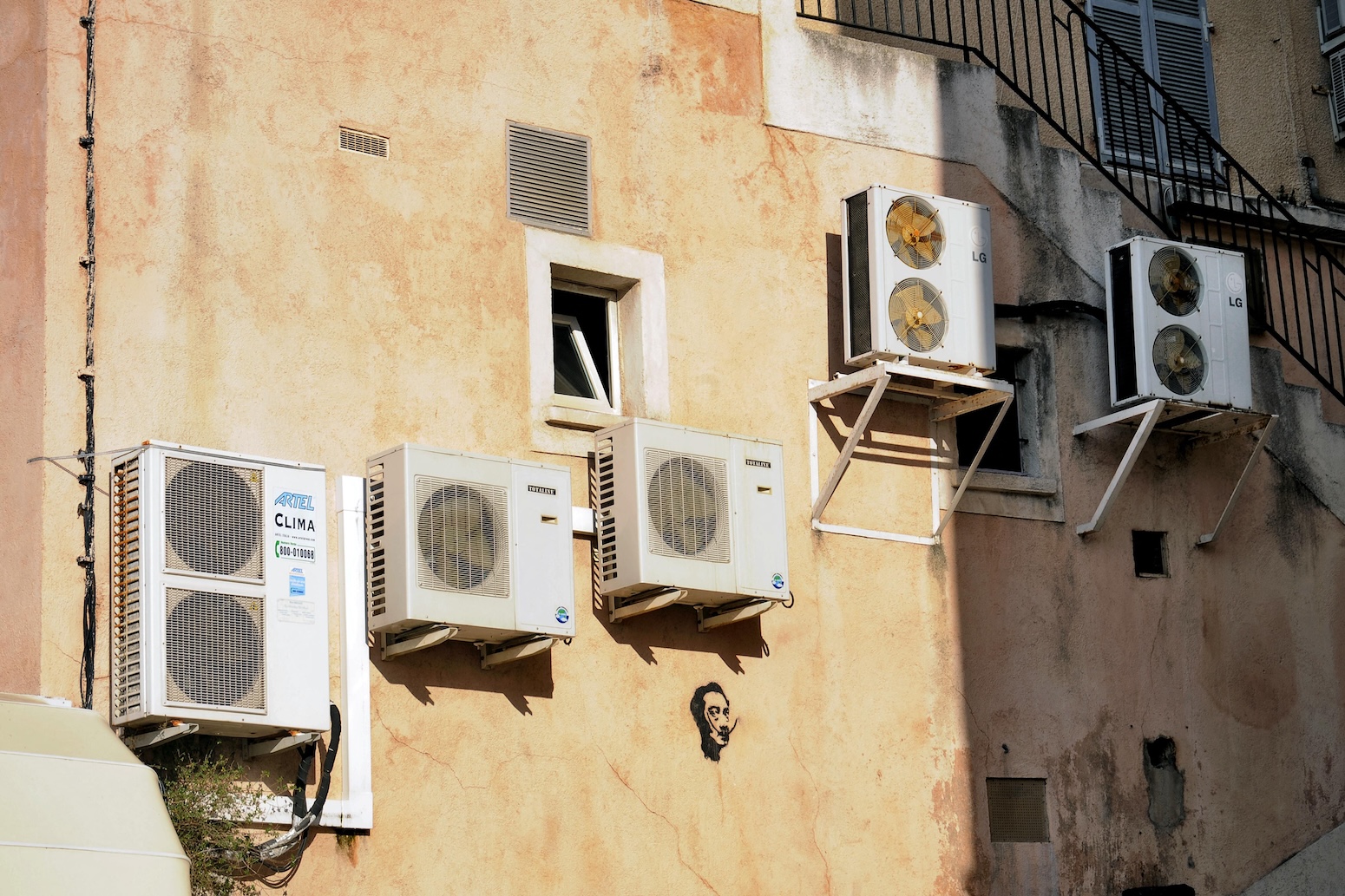
Air conditioning has emerged as a contentious issue in Europe following successive heatwaves that brought record temperatures and thousands of deaths across France, Germany, and the United Kingdom in June. International commentary has criticized what is characterized as European “cultural hostility” to air conditioning technology, with comparisons drawn to significantly higher adoption rates in the United States. However, experts argue that the actual explanation for lower air conditioning penetration in northern Europe is rooted in climate history rather than ideology or policy obstruction.
Historically, much of northern Europe experienced climates where air conditioning was neither necessary nor economically justified. Building stock and infrastructure in nations like Germany, France, and the UK were constructed during periods when extreme heat was rare, with designs focused on heat retention rather than cooling. Only since around 2000 have major European cities begun regularly experiencing days exceeding 30 degrees Celsius. In contrast, southern European nations where temperatures have always been higher show significantly higher air conditioning adoption rates, with approximately 60 percent of Italian households, 70-80 percent in Greece, and 41 percent in Spain equipped with the technology.
Political narratives claiming that net-zero policies ban air conditioning in the United Kingdom are contradicted by government statements and regulatory analysis. Current building regulations prioritize passive cooling measures but do not prohibit air conditioning installation. Permitted development rights have actually been expanded to facilitate installation of air-to-air heat pumps that provide both heating and cooling functions. Meanwhile, across Europe, air conditioning sales surged following recent heatwaves, with usage of space cooling technologies more than doubling in countries like France, Spain, and the Netherlands between 2015 and 2024.
The expansion of air conditioning does carry environmental and practical considerations. Global space cooling accounted for approximately 2.7 percent of carbon dioxide emissions from fossil fuels and industry in 2022, though this figure varies significantly by country depending on electricity generation sources. In nations with low-carbon power mixes like France, where nuclear energy comprises 67 percent of electricity generation, expanded air conditioning use would have limited climate impact. Heat released by air conditioning units can also exacerbate urban heat island effects, particularly in dense cities, raising concerns about localized temperature increases. Experts broadly agree that air conditioning should be implemented alongside broader urban cooling strategies including green infrastructure, passive design measures, and comprehensive heat action plans that have demonstrated significant reductions in heat-related mortality across multiple countries.
Article Attribution | Read More at Article Source
Article summary produced by Claude AI