

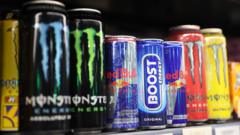
The English government announced plans to prohibit the sale of energy drinks containing more than 150mg of caffeine per litre to individuals under 16, beginning in April. The restriction will apply across retail settings including shops, restaurants, cafes, vending machines, and online platforms. Beverages such as Red Bull, Monster, Relentless, and Prime would fall under the ban, while lower-caffeine soft drinks like Diet Coke, as well as tea and coffee, remain unaffected.
Public Health Minister Sharon Hodgson framed the measure as part of efforts to create a healthier generation, citing reductions in obesity and prevention of issues such as disrupted sleep, heightened anxiety, and concentration difficulties. The policy aims to address health consequences including headaches and sleep problems associated with excessive caffeine consumption. Medical experts note that young people may be more susceptible to caffeine’s effects due to smaller body mass and ongoing brain development.
The government reported that approximately 100,000 children in England consume energy drinks daily. Some popular brands contain caffeine equivalent to two cups of coffee or four cans of cola. In rare cases, excessive caffeine intake has been associated with rapid heart rate, abnormal heart rhythms, seizures, and deaths. Sugary formulations additionally contribute to obesity and dental damage.
Enforcement will fall to local authorities, with businesses violating the ban facing potential fines up to £2,500. The measure requires parliamentary approval and will be implemented through secondary legislation using powers from the Food Safety Act 1990. A consultation on the proposal drew 1,100 responses showing strong support for age restrictions. The Obesity Health Alliance endorsed the policy, while the British Soft Drinks Association opposed it, noting industry commitments since 2010 to avoid marketing such drinks to under-16s and existing warning labels. Northern Ireland, Scotland, and Wales are also considering similar bans.
Originally reported by BBC News. Read the full story →