

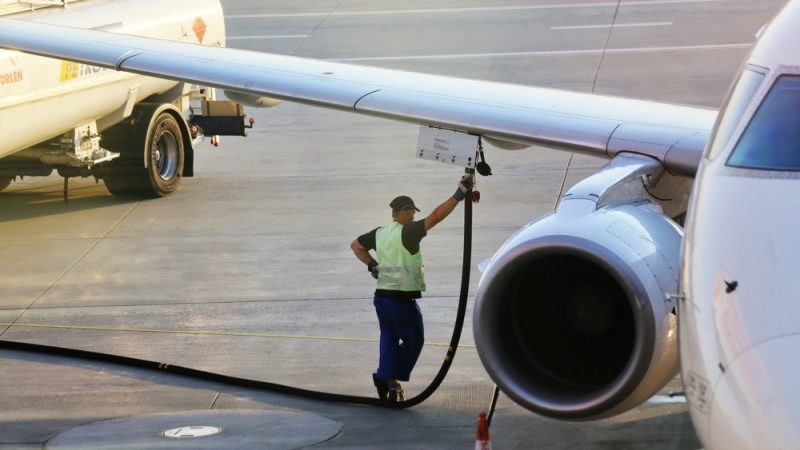
When the Strait of Hormuz was effectively closed at the end of February, forecasts warned of severe disruptions to global energy supplies. The waterway typically carried nearly 20 million barrels per day of crude oil and petroleum products, with the Gulf region supplying a significant portion of the world’s diesel, jet fuel and liquefied petroleum gas. Europe appeared particularly vulnerable, as it imports substantially more aviation fuel than it produces and had depended heavily on Middle Eastern supplies.
By April, warnings of physical shortages became increasingly specific. The International Energy Agency projected that European aviation fuel inventories could reach critical levels in June if only half of normally imported Gulf supplies were replaced. Major airlines cautioned that operations might be curtailed, airports prepared contingency plans, and European officials explored coordinated reserve releases. The disruption was described as the largest in global oil market history, with approximately 14 million barrels per day of supply affected at its peak.
However, June passed without the anticipated physical breakdown. Instead of shortages, markets experienced sharp price increases, inventory declines and reduced route profitability, yet the energy system absorbed the disruption. European refineries increased jet fuel production to record levels, American refiners boosted output and exports, and alternative producers redirected shipments from countries including Canada, Nigeria, India and South Korea. Saudi Arabia increased deliveries through the Red Sea port of Yanbu, bypassing Hormuz entirely. The International Energy Agency’s coordinated release of 400 million barrels from member reserves created time for commercial supply chains to adjust.
Demand also shifted as higher fuel costs made certain airline routes uneconomical, leading carriers to reduce marginal services and reroute flights. These hundreds of smaller adjustments—refinery yield changes, reserve releases, tanker redirections and route modifications—collectively transformed an apparent physical shortage into a price shock rather than widespread fuel unavailability.
The outcome demonstrates that modern energy systems possess greater resilience than headline vulnerabilities suggest, though that resilience operates primarily through economic mechanisms rather than comfortable abundance. Markets successfully allocated expensive fuel through changed refining patterns, emergency reserves, longer trade routes and reduced consumption. European jet fuel inventories remained tight at approximately 38 million barrels in early June, offering limited demand coverage, and the system enters any future disruption from a weaker position. The distinction between scarcity and expensive abundance proved significant; high prices mobilized alternatives before physical breakdown occurred.