

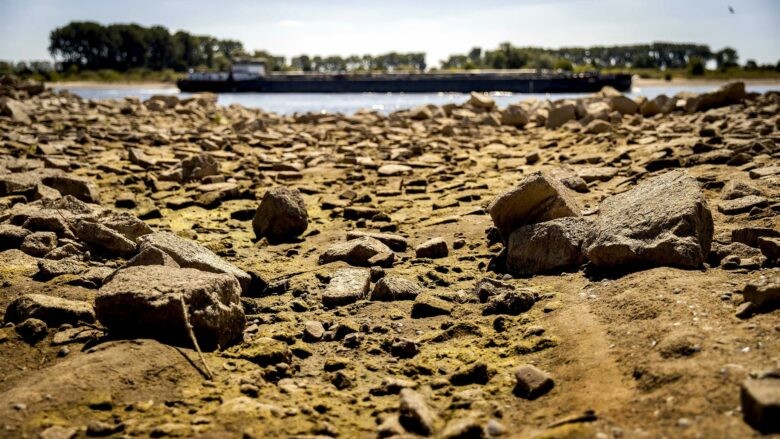
A severe heatwave affecting Europe beginning in June has triggered cascading energy and economic disruptions across the continent. Record-breaking temperatures in major economies including Germany and France have significantly reduced rainfall, leading to critically low water levels on inland waterways that serve as vital transportation arteries for fuel and goods.
France’s nuclear power capacity was reduced by approximately 6.4 gigawatts, representing roughly 14% of daily power demand, as elevated river temperatures have constrained the cooling water available for reactor systems. While France maintained electricity exports despite the reduction, such temperature-related output curtailments appear to be increasing in frequency and severity.
The Rhine River, Europe’s most significant inland shipping corridor stretching roughly 800 miles from Switzerland through Germany, France, and the Netherlands, has experienced water levels at their lowest point in decades for mid-July. These shallow conditions have forced barges to reduce cargo loads to maintain navigability, significantly increasing transportation costs. Freight expenses for shipping diesel from Rotterdam to southern Germany have risen more than 50% within the past week, and broader supply chain complications have compounded existing cost pressures stemming from the Middle East crisis affecting sea routes.
Economic analyses indicate substantial near-term impacts. The heatwave during late June cost the German economy approximately 6 billion euros, according to research released this week. Historical precedent from 2018 suggests potential longer-term consequences, when low November Rhine levels coincided with a 1.5% decline in German industrial production and a 0.4% reduction in GDP.
Projections for future climate patterns indicate Germany may experience three or four extreme heatwaves annually with temperatures exceeding 35 degrees Celsius, with economic damage potentially reaching 20 billion euros annually if such events continue. Current disruptions arrive as European economies remain vulnerable to multiple concurrent crises, compounding inflationary pressures and supply chain vulnerabilities across the region.