

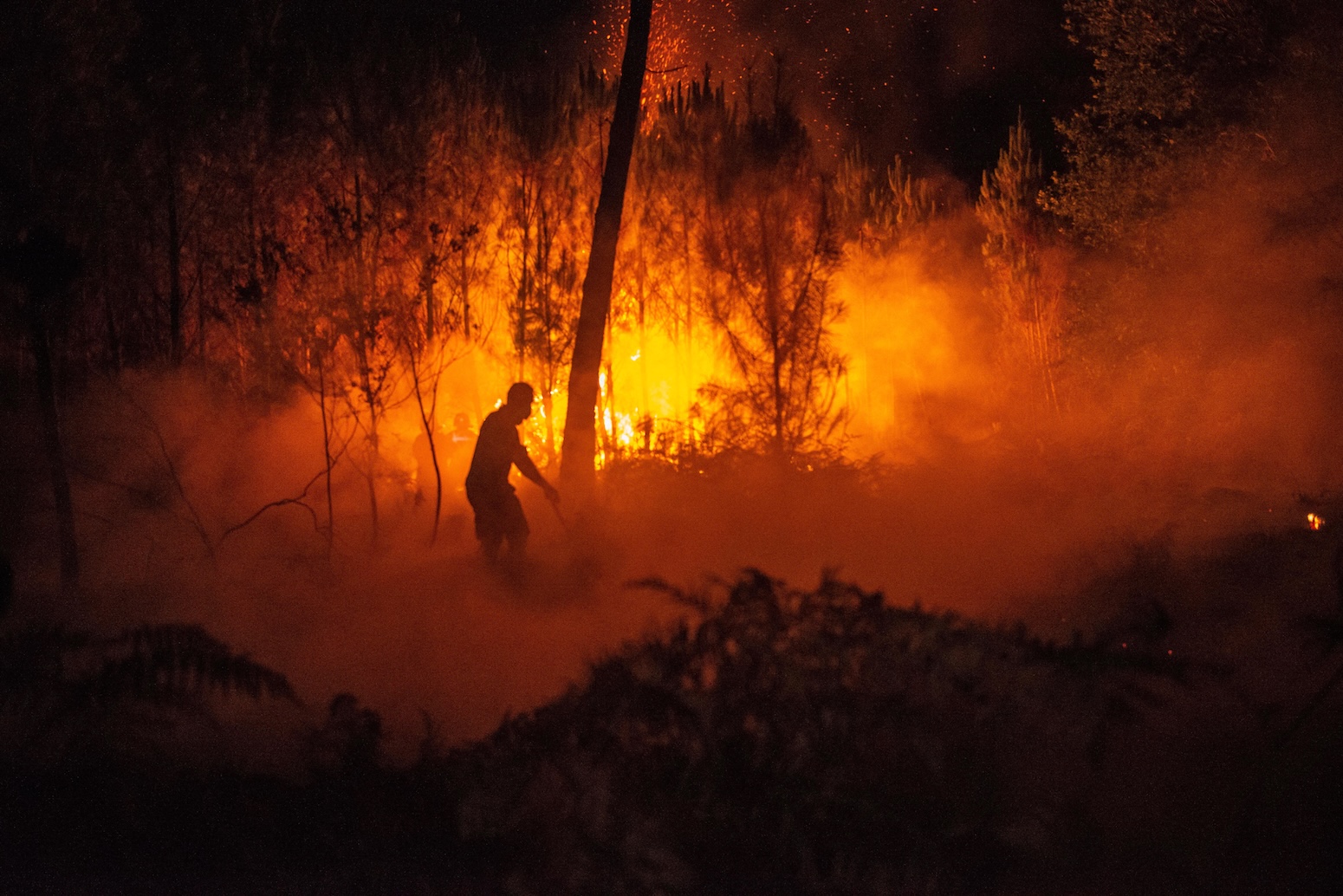
Climate skeptics and right-wing commentators have circulated social media charts suggesting that 2026 represents Europe’s quietest year for wildfires. The claims originated from posts by figures including former Conservative peer Matt Ridley and Dr. Matthew Wielicki, a geochemist recently appointed to lead the US Global Change Research Program under the Trump administration. However, researchers and fact-checkers have identified significant methodological flaws in these claims.
The misleading charts use data from the Global Wildfire Information System, which defines “Europe” to encompass the entire continent, including Russia. This geographic classification means Russia accounts for approximately 74 percent of the area included in the dataset, with Russian wildfires typically representing 80 to 90 percent of burned area in the broader Europe category. During 2026, Russia has experienced substantially below-average fire activity, which masks exceptional wildfire conditions elsewhere on the continent.
Data from the European Forest Fire Information System, which tracks the 27 European Union nations and excludes Russia, paints a dramatically different picture. As of late July, the EU’s burned area stands at approximately 435,000 hectares, making it the second-worst year for this time of year since records began, second only to 2022. France has set a modern record for area burned, while Spain’s wildfire season ranks among the worst since systematic reporting commenced in 2006.
France’s situation has been particularly severe, with wildfires breaking the country’s previous cumulative annual record by more than 19,000 hectares as of late July, a gap that continues to widen. The fires prompted French President Emmanuel Macron to convene a crisis cabinet meeting, and more than 220,000 people were evacuated from the Gironde fire west of Bordeaux, described as potentially France’s largest peacetime evacuation. In Spain, nearly 90,000 people fled their homes as central fires near Madrid burned an area more than twice the size of the capital itself.
Researchers have emphasized that these wildfires represent significant humanitarian and climate concerns. The fires have displaced over 330,000 people across southwestern Europe, while an impending heatwave raised concerns for further deterioration. Government officials, including Spain’s Prime Minister Pedro Sánchez, characterized the situation as a painful expression of climate change, and joint statements from UK, French, and Spanish governments described the summer wildfires as a national security emergency.
Article Attribution | Read More at Article Source
Article summary produced by Claude AI