

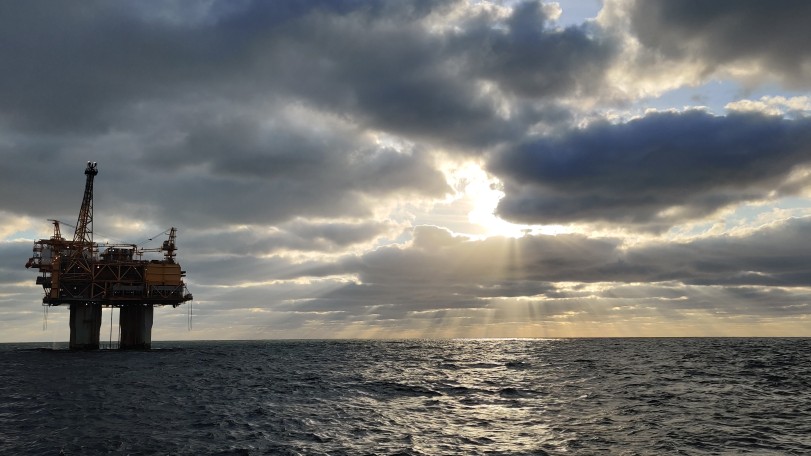
Guyana has established itself as a significant oil-producing nation in a remarkably brief timeframe. The country produced 888,000 barrels of crude oil per day as of May 2026, positioning it as the continent’s third-largest oil producer behind Brazil and Venezuela. Four offshore floating production, storage, and offloading vessels currently operate in Guyanese waters, with a fifth expected to commence operations during 2026.
Multiple major development projects are advancing in the Stabroek Block, operated by ExxonMobil. The Uaru project, valued at $12.7 billion, will add 250,000 barrels daily upon reaching full capacity, potentially pushing Guyana’s total output above one million barrels per day and surpassing Venezuela as South America’s second-largest oil producer. Additional projects including Whiptail, Hammerhead, and Longtail are in various stages of development, with expected completions between 2027 and 2030. Production is anticipated to reach approximately 1.9 million barrels daily by 2030.
Geopolitical factors have facilitated this growth trajectory. A territorial dispute with Venezuela over the Essequibo region, which comprises roughly two-thirds of Guyana’s territory and contains most of its operational oilfields, has been a longstanding concern. Washington’s intervention in Venezuela during early 2026 significantly reduced this threat to Guyana’s petroleum development.
Guyana’s oil resources carry strategic importance for global energy markets. The United States imported an average of 261,000 barrels per day from Guyana during April 2026, representing a 51% increase from two years prior. Other major buyers include the Netherlands, Italy, and Panama. The nation’s geographic position, independent of Middle Eastern shipping routes, provides energy security benefits to importing nations amid regional tensions affecting traditional supply corridors.
Guyana’s emergence as an oil exporter, alongside Brazil and Argentina, is contributing to significant shifts in global non-OPEC petroleum production and reshaping regional energy dynamics across the Americas.
Article Attribution | Read More at Article Source
Article summary produced by Claude AI