

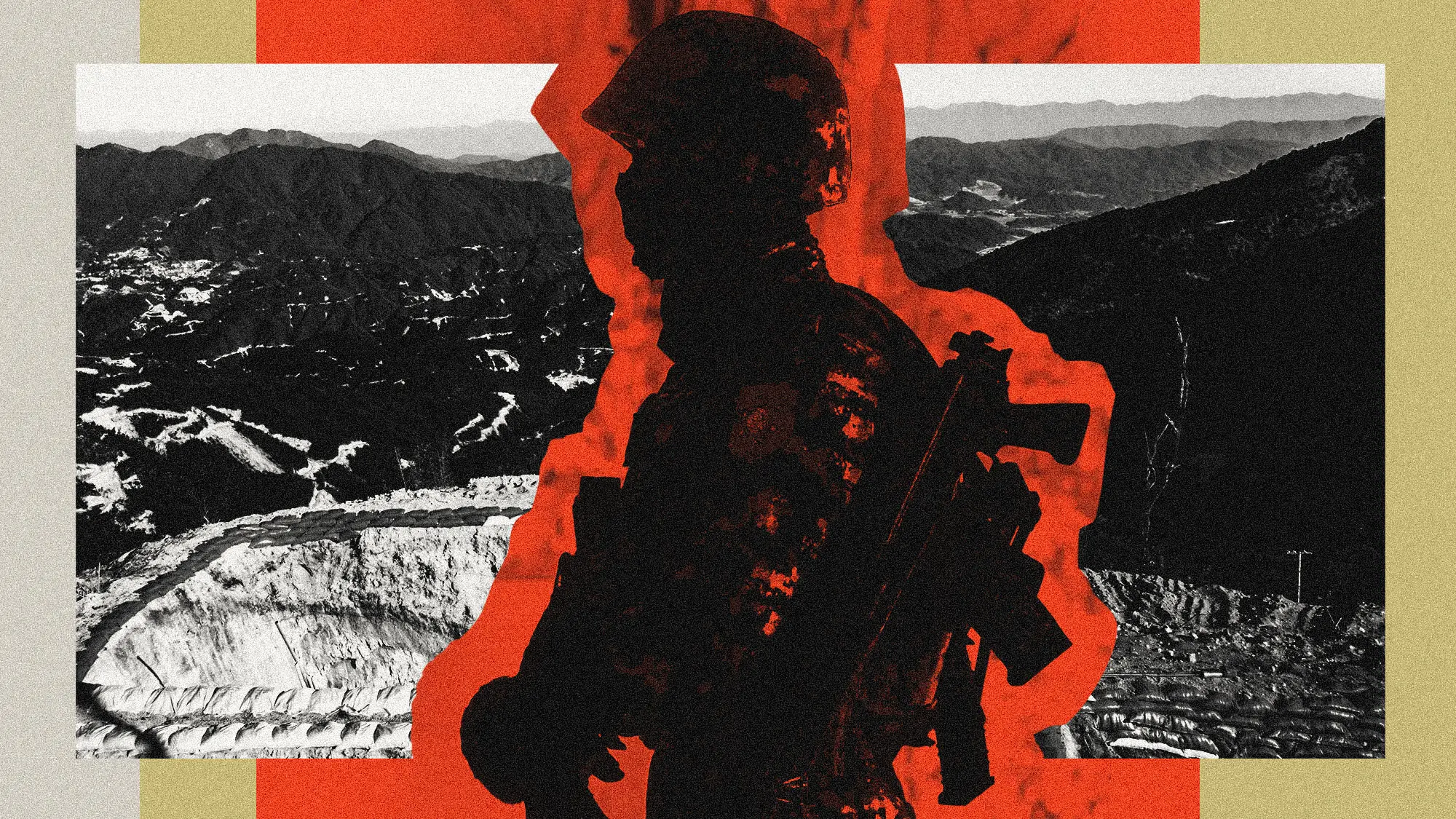
Myanmar has emerged as the world’s largest supplier of heavy rare earths, materials essential for wind turbines, electric vehicles, and advanced weapons systems. The extraction boom is occurring amid an intensifying civil war that began following a 2021 military coup, creating conditions where multiple armed groups and Chinese companies operate with minimal oversight or accountability.
Rare earth mining in Myanmar takes place primarily in autonomous regions controlled by ethnic armies that have signed ceasefires with the military junta. These territories, particularly in Kachin and Shan States near the Chinese border, have become lucrative extraction hubs after China tightened environmental regulations domestically and shifted operations abroad. Chinese customs data indicates Myanmar supplied roughly two-thirds of China’s rare earth imports between 2017 and 2024, with the majority of value concentrated in the period following the coup. The material crosses into China where it is processed and blended with rare earths from other sources, effectively obscuring its origin.
Workers describe hazardous conditions with minimal protections. Interviews with miners reveal exploitation including irregular wages, lack of written contracts, discrimination based on nationality, and vastly unequal compensation for deaths depending on worker origin. Mining sites use in-situ leaching, a chemical-intensive process that involves dispersing acid through mountains and burning extracted materials in furnaces. This method creates substantial environmental and health risks, including water contamination with radioactive elements and toxic heavy metals, and chronic exposure that can affect brain, liver, and immune system function. Environmental degradation has rendered agricultural land unusable and displaced wildlife across mining regions.
Villagers in mining areas report dramatic landscape transformation, including changed soil composition, reduced crop yields, increased flooding and landslides, and the inability to sustain traditional livelihoods. Local civil society has limited ability to document or challenge mining operations due to restricted access and limited independent media presence. Researchers warn that while global demand for rare earths is framed as necessary for climate transition, extraction occurs at the margins of state power in conflict zones where accountability mechanisms are absent. The situation has prompted calls for international companies using heavy rare earths to reduce dependence on the material and engage with local communities to mitigate harms.
Article Attribution | Read More at Article Source
Article summary produced by Claude AI