

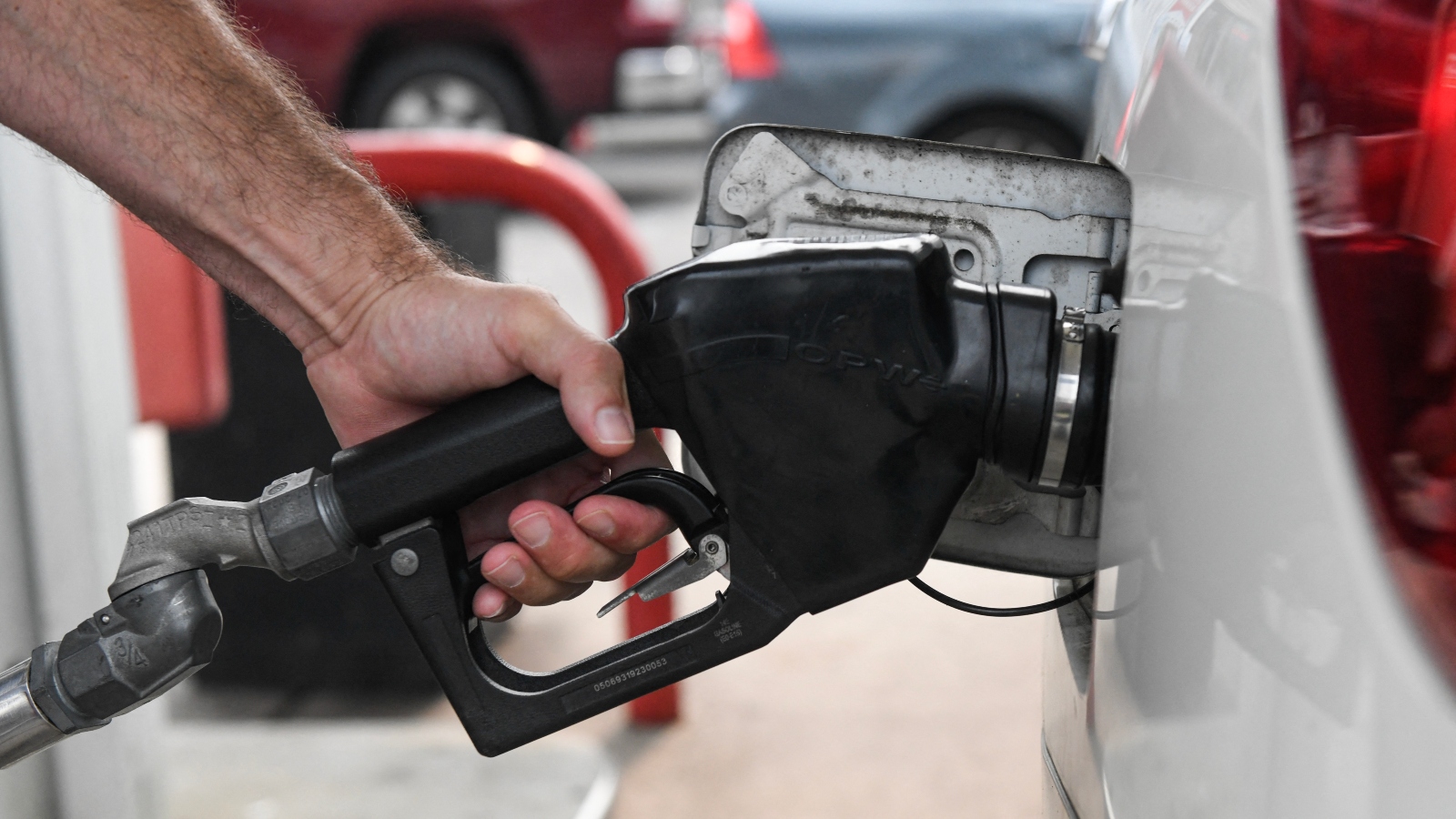
Energy prices have become a defining issue in Michigan’s 2026 midterm elections, with both major parties recognizing the political stakes. The average price of gasoline in Michigan climbed roughly 32 percent in three weeks following the outbreak of war with Iran in late February, rising from $2.99 to $3.95 a gallon. Governor Gretchen Whitmer declared a formal energy emergency to permit southeast Michigan fuel stations to sell cheaper summer-blend fuel, citing the war and tariffs, though prices continued climbing with a 90-cent spike occurring in a single week.
According to a Climate Power survey of 600 likely Michigan voters conducted in mid-June, 42 percent of respondents said they would be less likely to support a congressional candidate backing Trump’s energy policies, compared to 21 percent who indicated they would be more likely. Fifty-eight percent of survey participants attributed higher energy prices to Trump’s policies, while 63 percent rejected his characterization of high gas prices as justified by the war. The energy issue is particularly salient in competitive races like Michigan’s 7th Congressional District, currently held by Republican Representative Tom Barrett, where voters cite gas and utility costs as primary concerns.
The political battle reflects deeper disputes over Michigan’s energy future. House Republicans passed legislation called Project Lighthouse that would repeal the state’s 2023 Clean Energy and Jobs Act, which mandates 100 percent renewable electricity by 2040. Republicans argue that renewable energy requirements drive up costs, while clean energy advocates contend that renewables currently comprise only about 11 percent of the state’s energy mix and are cheaper to build than fossil fuels. Trump-era rollbacks of clean energy policies cost Michigan $4.1 billion in planned manufacturing investment and approximately 11,700 jobs, according to state officials.
Utility rate increases have galvanized voter frustration across party lines, with over 150 Michigan politicians pledging to reject campaign contributions from major utilities Consumers Energy and DTE. Data centers have emerged as a divisive issue, with these facilities driving up utility rates while promising employment opportunities and creating tensions within Democratic constituencies. The November elections will influence how integrated resource plans submitted by major utilities in 2026 are evaluated under the 2023 clean energy law, making the electoral outcome consequential for the state’s energy direction.
Article Attribution | Read More at Article Source
Article summary produced by Claude AI