

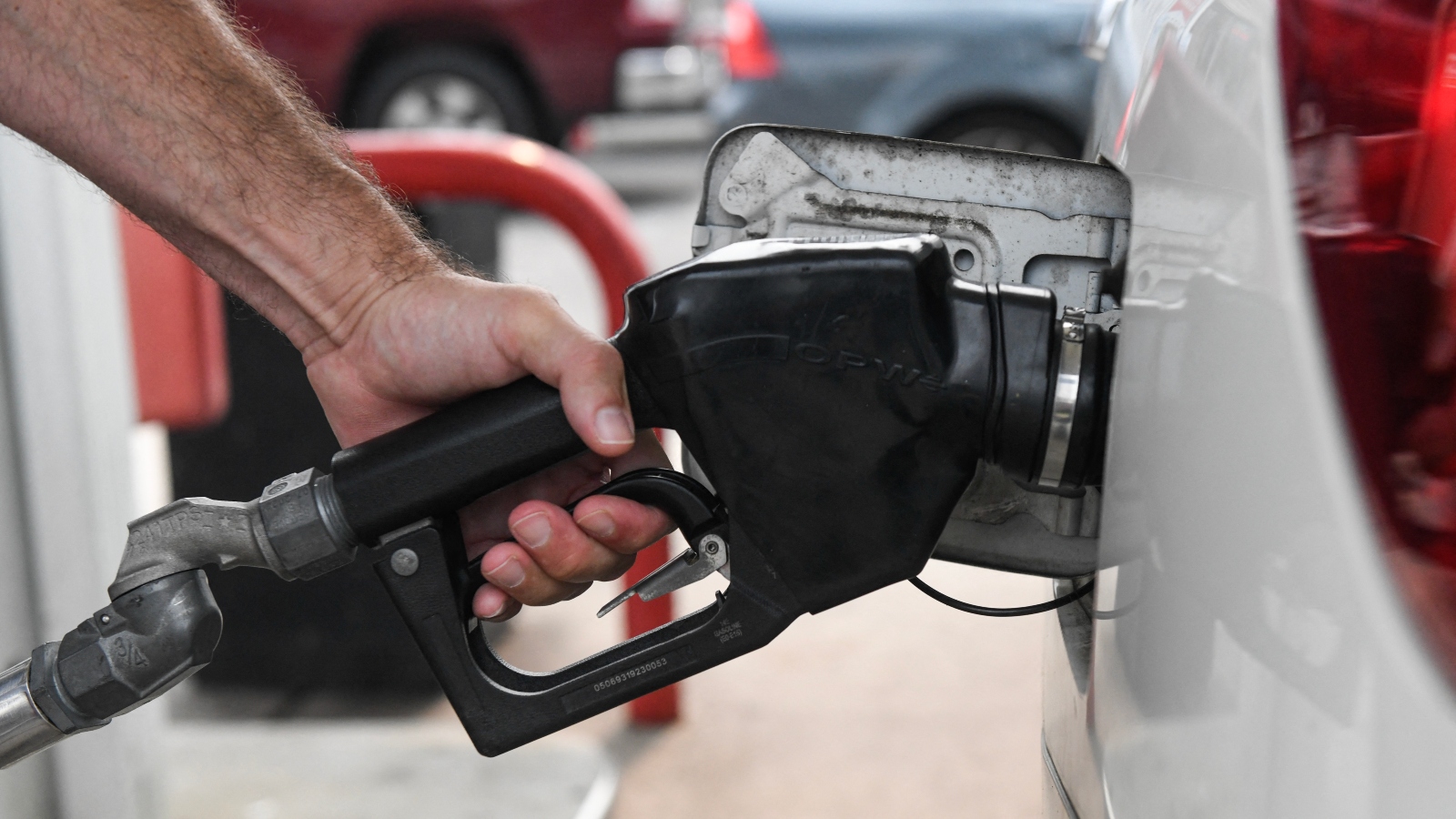
Michigan’s competitive midterm elections are being shaped significantly by energy affordability concerns following a dramatic spike in gas prices after the outbreak of war with Iran in late February. Gas prices in Michigan jumped approximately 32 percent within three weeks, rising from $2.99 to $3.95 per gallon, prompting Governor Gretchen Whitmer to declare a formal energy emergency. The price volatility, including a 90-cent spike in a single week, has energized Democratic voters while creating challenges for Republicans who previously viewed Michigan as their best pickup opportunity.
According to a Climate Power survey of 600 likely Michigan voters conducted in mid-June, 42 percent of those polled said they would be less likely to vote for a congressional candidate supporting Trump’s energy policies, compared to 21 percent more likely. A substantial majority of voters surveyed believe Trump’s policies have increased energy costs, and 45 percent expressed growing support for diversifying energy sources such as solar and wind. Recent electoral results reflect shifting sentiment, including a Democratic special state Senate election victory in May by nearly 20 points in a district that had favored the opposing party.
The energy debate extends beyond immediate price concerns to broader policy disagreements. Michigan’s 2023 Clean Energy and Jobs Act mandates 100 percent renewable electricity by 2040, but House Republicans have passed legislation called “Project Lighthouse” to repeal these clean energy mandates, arguing they contribute to higher costs. However, actual renewable energy comprises only about 11 percent of Michigan’s current energy mix, and supporters note that wind and solar are cheaper and faster to build than fossil fuel alternatives.
Economic consequences from recent policy changes include the loss of $4.1 billion in planned clean manufacturing investment and approximately 11,700 jobs, along with $540 million in canceled or delayed climate grants. Utility rate increases have become politically toxic, with more than 150 Michigan politicians from both parties pledging to reject campaign funding from major energy companies Consumers Energy and DTE. Democratic candidates have tied affordability messaging to clean energy expansion, while Republican messaging emphasizes that renewable energy itself drives up costs, creating a fundamental dispute about energy policy’s relationship to consumer expenses.
Article Attribution | Read More at Article Source
Article summary produced by Claude AI