

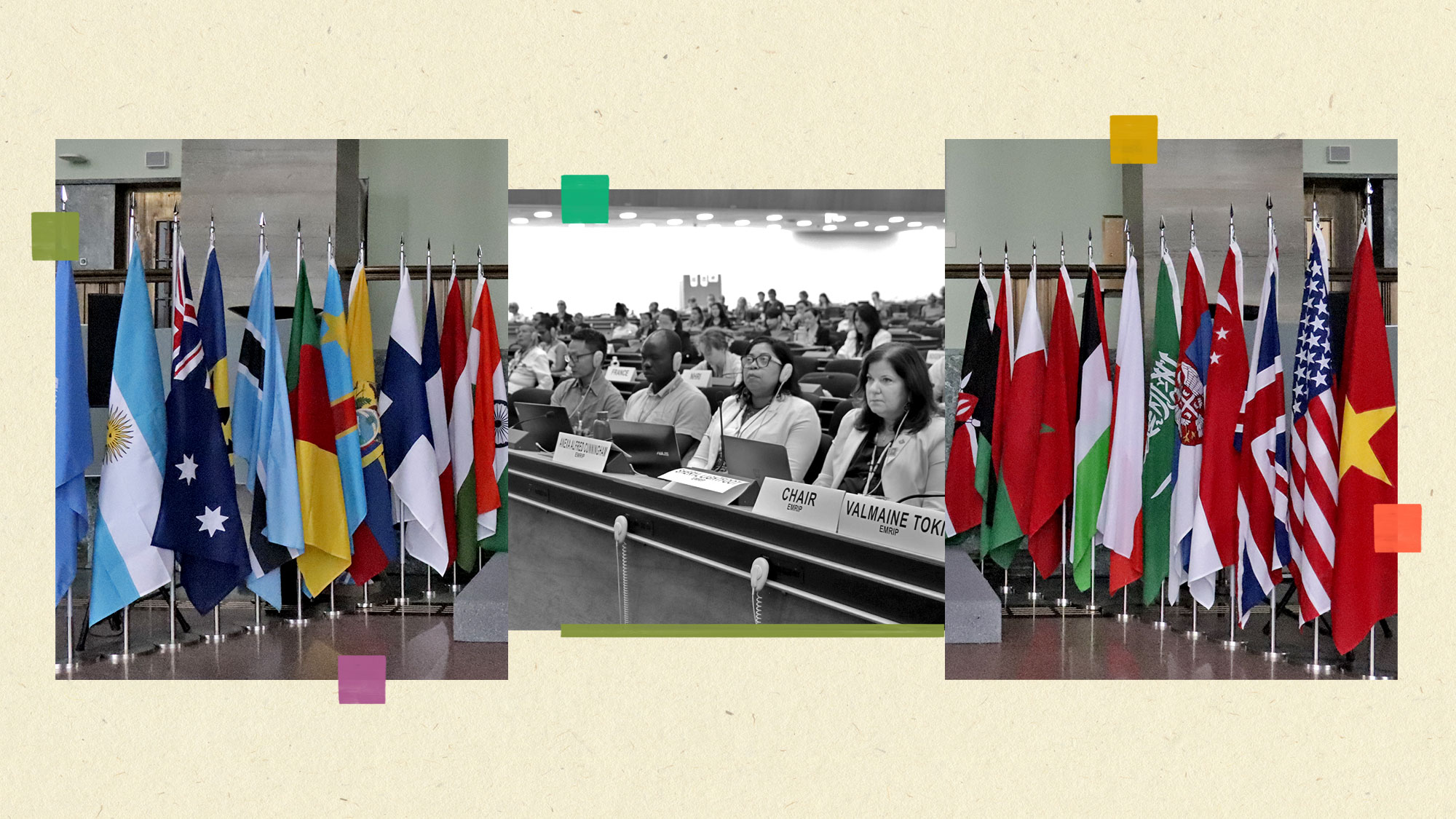
Representatives from Indigenous communities worldwide have submitted a comprehensive proposal to the United Nations Human Rights Council outlining measures they say are essential for protecting their peoples. The 12-point plan, developed by the seven Indigenous members of the UN Expert Mechanism on the Rights of Indigenous Peoples, addresses a range of urgent concerns facing Indigenous populations globally, including climate impacts, violence, and emerging technological threats.
The recommendations span several key areas of protection and advocacy. They include strengthened safeguards for remote Indigenous groups living in voluntary isolation, efforts to preserve Indigenous languages, and the establishment of data sovereignty protections. The proposals also emphasize the need to recognize Indigenous rights as distinct legal protections rather than general human rights matters, and call for full implementation of the UN Declaration on the Rights of Indigenous Peoples. Additionally, the plan seeks increased Indigenous representation within the Human Rights Council and greater engagement between member states and the expert mechanism.
Indigenous advocates stressed that women and girls must have greater autonomy and participation in all decisions affecting their communities, nations, and families. Speakers highlighted concerning global trends, with the UN special rapporteur on Indigenous peoples noting widespread “stagnation and regression” in human rights protection, observing that most states have taken no new measures protecting Indigenous rights while some have actively dismantled existing frameworks.
However, the presentation of these recommendations occurred against a backdrop of institutional uncertainty. The three primary UN bodies focused on Indigenous affairs—EMRIP, the Permanent Forum on Indigenous Issues, and the special rapporteur position—face financial instability and an uncertain future due to declining support. The UN Voluntary Fund for Indigenous Peoples, which helps representatives attend international meetings, operates with less than $2 million in annual funding from just eight countries, while the related Trust Fund receives contributions from only three nations. This financial crisis threatens to limit Indigenous participation in global forums at a moment when advocates argue such platforms are increasingly vital to addressing existential threats to their communities.
Article Attribution | Read More at Article Source
Article summary produced by Claude AI