

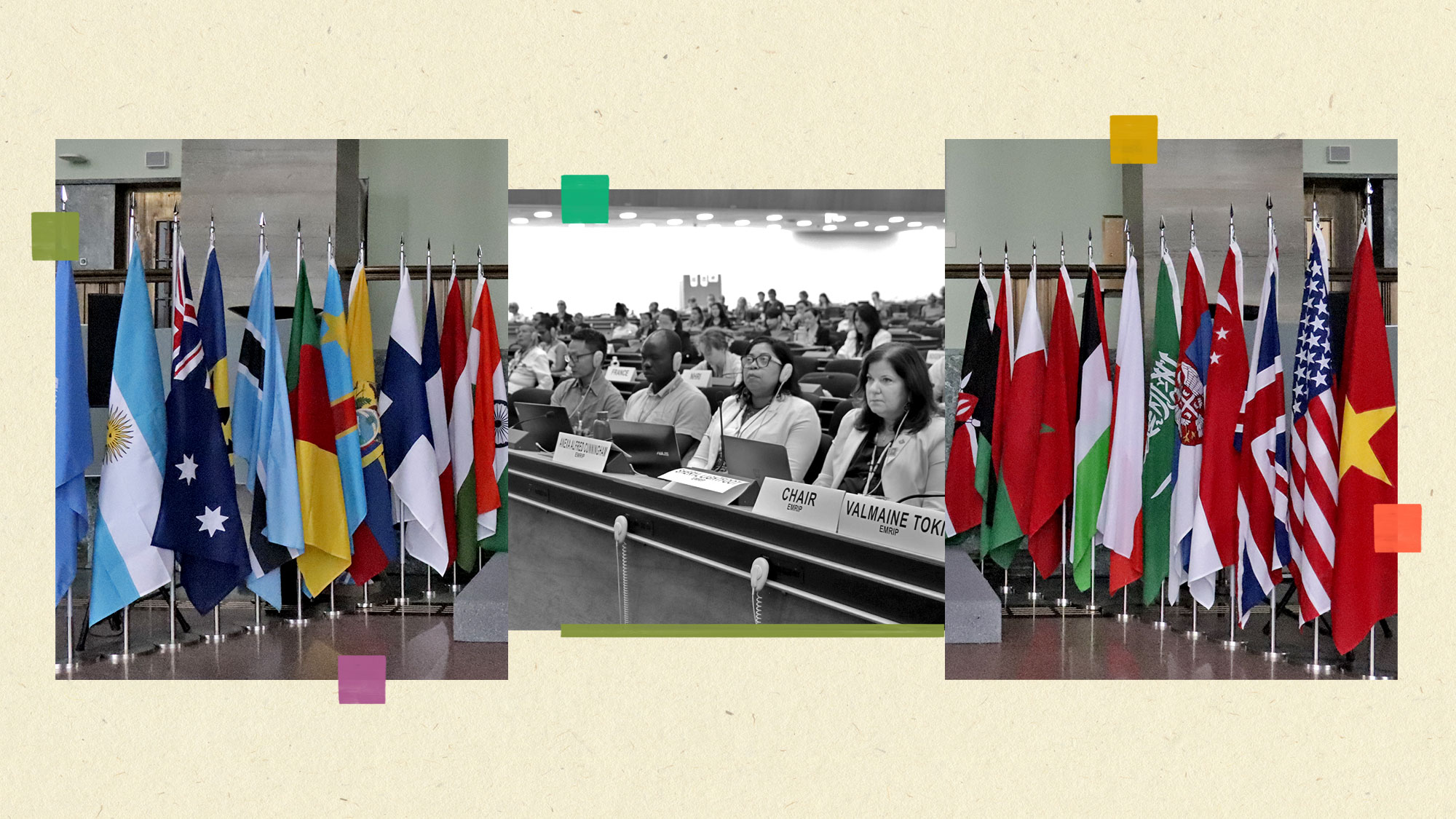
Indigenous representatives serving on the United Nations Expert Mechanism on the Rights of Indigenous Peoples finalized a comprehensive 12-point proposal for presentation to the U.N. Human Rights Council. The recommendations address multiple interconnected crises affecting Indigenous communities globally, including climate impacts, violence, and emerging technological threats. The plan emphasizes the need for rapid, substantive action to safeguard Indigenous territories, cultural rights, and populations.
The proposal encompasses diverse priorities reflecting the range of challenges Indigenous peoples encounter. Key recommendations include enhanced protections for remote Indigenous communities living in voluntary isolation or early contact phases, preservation of Indigenous languages, and establishment of data sovereignty standards. Delegates also advocated for strengthening the legal status of Indigenous peoples by recognizing their rights as distinct from general human rights frameworks and ensuring full implementation of the U.N. Declaration on the Rights of Indigenous Peoples. The plan calls for expanded Indigenous representation within the Human Rights Council and greater engagement from member states with Indigenous-focused mechanisms.
Speakers highlighted concerning global trends in Indigenous rights protections. According to the U.N. special rapporteur on Indigenous peoples, recent years have seen stagnation and regression across human rights protections, with few countries implementing new safeguards and some actively dismantling existing legal frameworks. Representatives emphasized the critical importance of meaningful participation by Indigenous women and girls in all decisions affecting their communities and nations.
Simultaneously, the forums advancing Indigenous interests face significant financial constraints. Three major U.N. bodies focused on Indigenous peoples—EMRIP, the Permanent Forum on Indigenous Issues, and the special rapporteur position—confront uncertain futures due to insufficient funding. The U.N. Voluntary Fund for Indigenous Peoples, which enables representatives to attend international meetings, operates with less than $2 million in annual budget support from only eight countries. The United States does not contribute to this fund or a related trust fund. These resource limitations threaten to reduce Indigenous representation at international decision-making venues during a period when advocates argue such participation is increasingly essential.
Article Attribution | Read More at Article Source
Article summary produced by Claude AI