

A crop disease and pest surveillance program operating in Niger came to an abrupt halt following policy changes implemented earlier this year. The initiative, led by plant breeder Bassirou Sani Boubacar Gaoh and supported by Pennsylvania State University through U.S. Agency for International Development funding, had been developing tools to help farmers combat destructive infestations like the millet head miner that devastate staple crops in the Sahel region.
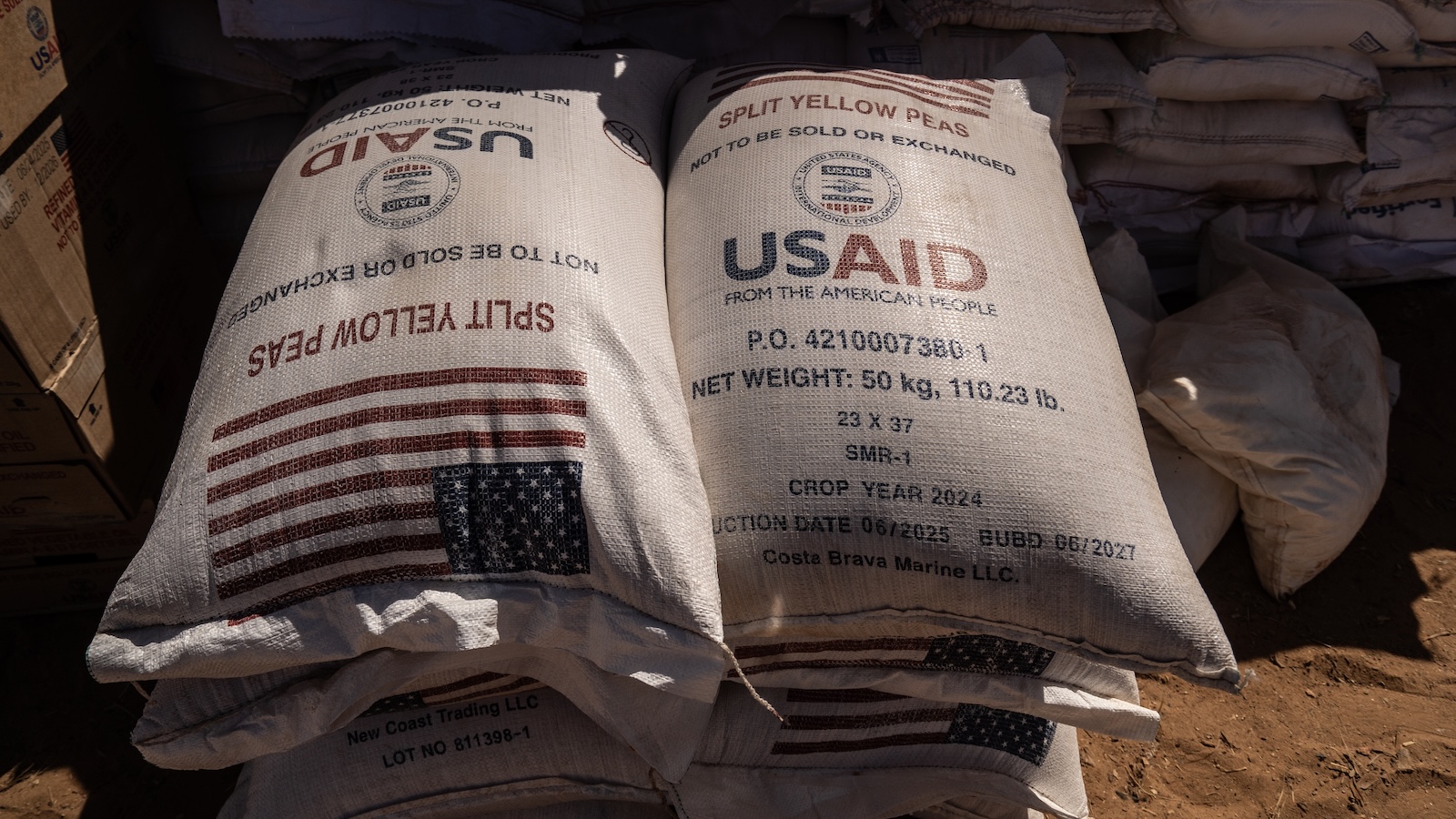
In January 2025, the administration issued a stop-work order suspending nearly all overseas USAID programs and subsequently dismantled the agency. The Feed the Future Innovation Labs program, which had operated 17 core labs anchored in American universities, received termination notices. Gaoh’s team in Niger was dissolved, though he remained on a part-time basis through alternative funding. The State Department later formally cancelled $72 million in program funding, with administration officials describing USAID spending as problematic.
When the administration reopened the innovation labs program through a new call for proposals this March, the criteria reflected significant shifts in priorities and geography. The application guidelines described the labs as mechanisms to advance global food security “in alignment with U.S. policy,” with a notable emphasis on Western Hemisphere countries. Former officials noted that Africa received minimal attention in the selection criteria despite facing the largest hunger crisis globally. Universities responding to the new framework removed climate-related terminology and adjusted their geographic focus accordingly.
The new round of funding has advanced proposals almost exclusively from institutions in Republican-majority states, including Kansas State University, Auburn University, Mississippi State University, Clemson University, the University of Georgia, and the University of Florida. A preliminary list indicates approximately seven proposals are advancing to final consideration. The shift has raised questions among researchers and former USAID officials about whether reprioritizing away from lower-income African regions, which historically received focus, serves broader agricultural research interests. American farmers contending with climate-driven pest pressures—such as the cowpea curculio affecting South Carolina growers—represent potential beneficiaries of research conducted in African agricultural systems where such threats originate and evolve.
Article Attribution | Read More at Article Source
Article summary produced by Claude AI