

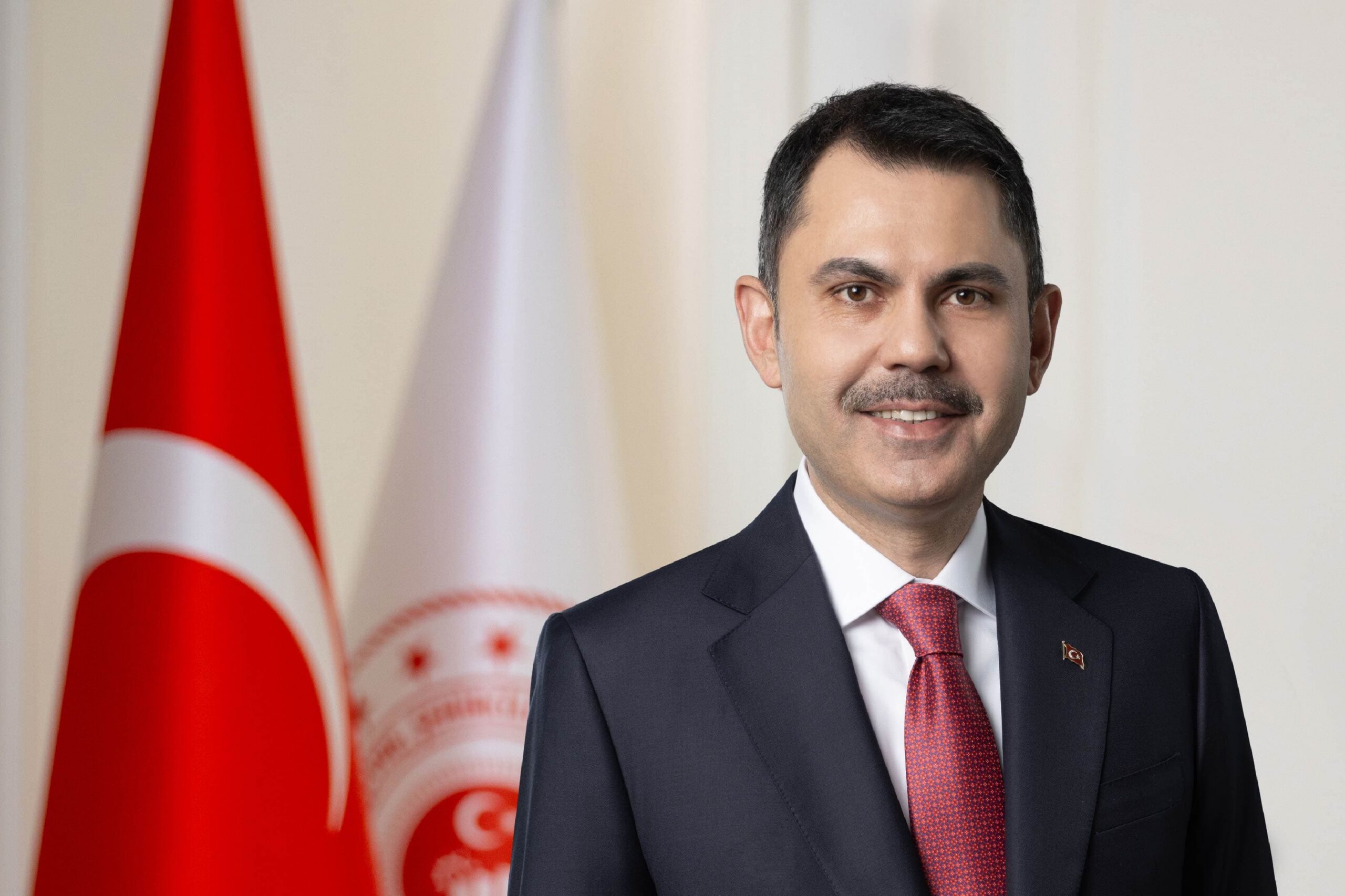
Murat Kurum, the president-designate of COP31 and Turkey’s minister of environment, urbanisation and climate change, unveiled a goal earlier this month to increase the proportion of the world’s final energy derived from electricity to 35% by 2035. In an interview, Kurum described the target as scientifically grounded rather than politically motivated, noting that it aligns with analysis from the International Energy Agency and the International Renewable Energy Agency regarding measures necessary to maintain the 1.5-degree Celsius climate target established under the Paris Agreement.
Kurum emphasized that current global circumstances create an urgent case for the electrification target. He cited recent regional conflicts affecting energy supply, particularly the ongoing situation in the Gulf region, as a factor that has elevated energy diversification and renewable energy transition to top priority status. According to Kurum, electrification represents the most reliable and environmentally sound approach to shield populations worldwide from elevated and unstable energy prices. He further stressed that a unified, globally accepted target is essential to consolidate governmental, commercial, and investment sector efforts around a shared benchmark, thereby establishing a cohesive signal for market participants.
The target has received positive responses from multiple stakeholders. The European Union, United Kingdom, and Canada have expressed support, as have the presidencies of Brazil and Ethiopia, which held and will hold leadership roles at previous and upcoming climate conferences respectively. Business sentiment also appears favorable, with polling data indicating that 90% of surveyed businesses anticipate substantially electrifying their operations by 2035, while 88% believe electrification will enhance their competitive position.
Kurum identified buildings, transport, and industry as critical sectors, collectively responsible for approximately 45% of global emissions. He highlighted the importance of financial assistance for developing nations and investment in grid infrastructure and technology. The initiative builds upon a previous commitment made at COP28 to expand renewable energy capacity threefold and capitalizes on declining costs associated with renewable power and related technologies. Turkey itself is advancing renewable energy development with plans to achieve 120 gigawatts of renewable capacity by 2035.
Article Attribution | Read More at Article Source
Article summary produced by Claude AI