

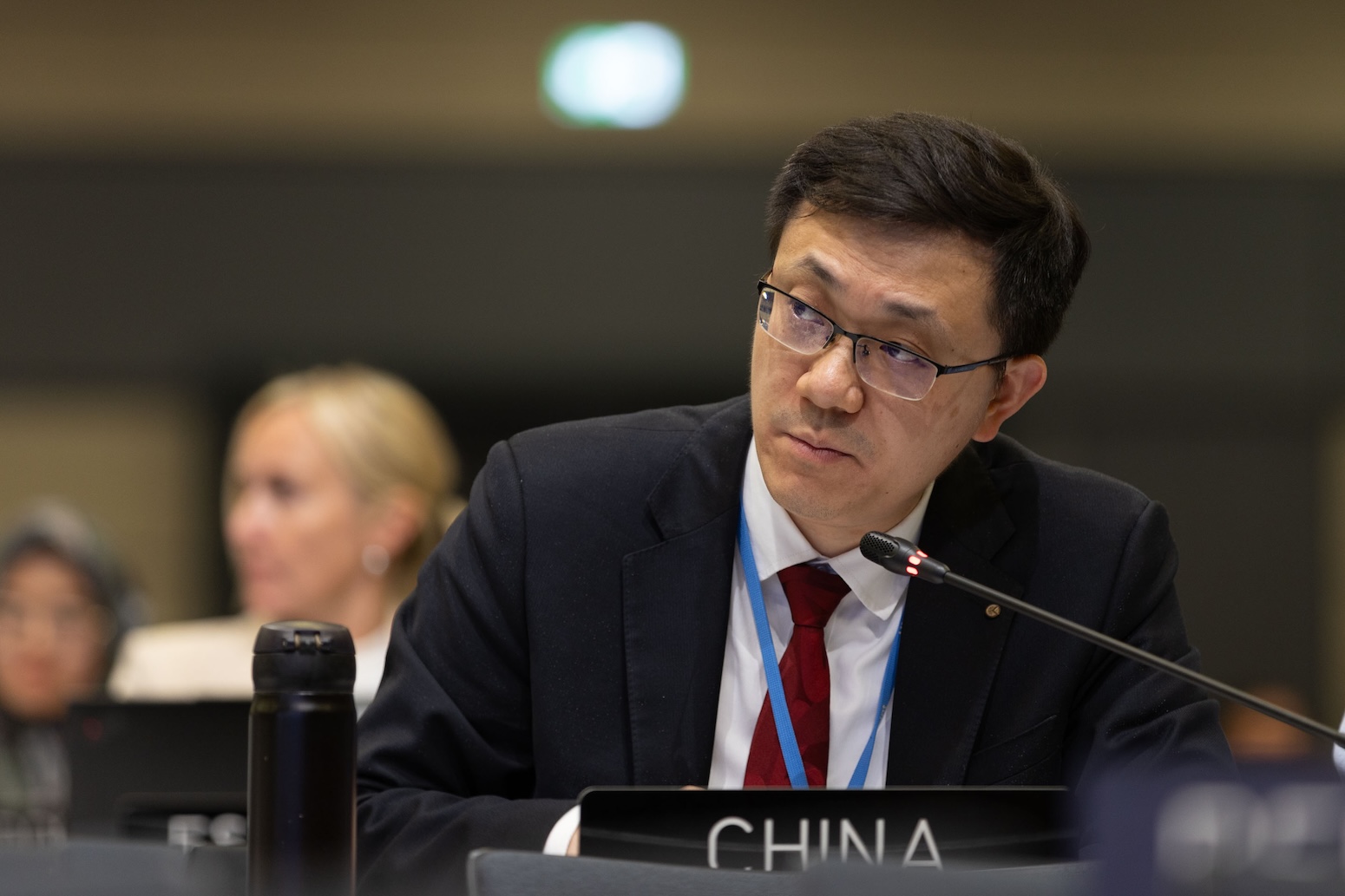
Researchers at the University of Bath have compiled a comprehensive database documenting global environmental initiatives established from the 1980s onward that were launched or run by China, either independently or in collaboration with other governments. The database, titled “China’s Global Environmental Leadership” (CGEL), tracks initiatives ranging from research cooperation and climate funding to high-level policy agreements.
According to Dr. Sun Yixian, study co-author and professor of sustainability governance, the initiatives follow several distinct governance functions. These include information-sharing and platform-building, capacity development through training programs, provision of financing, research collaboration, rule-making and standard-setting, and direct action pilot projects. The research found that information-sharing and platform-building represents the dominant category across environmental issues, while direct financial provision is the least common approach. Capacity-building activities and knowledge production rank as secondary priorities in China’s international engagement model.
The data reveals a clear upward trend in initiative creation following 2009. While some environmental programs existed in the late 1980s and 1990s, the majority were established after 2008, with accelerating growth through the 2010s and continuing into recent years. This expansion corresponds with China’s shifting role from regional participant to global actor, alongside broader initiatives such as the Belt and Road Initiative.
A significant pattern emerges regarding China’s engagement approach. Historically, China favored bilateral arrangements with individual countries. However, recent data shows an increasing shift toward transnational initiatives with global scope, involving multiple non-state actors and operating across more than two continents. This expansion extends beyond central government agencies to include businesses, research institutes, and civil society organizations, though state coordination remains central to these efforts.
Dr. Sun emphasized that while the database documents growing Chinese activity in global environmental governance, questions remain about leadership perception and impact. Whether these initiatives will translate into substantive progress on climate action globally, and how other nations perceive China’s evolving role, requires further analysis. The researchers plan to update the database regularly and continue investigating specific case studies to assess outcomes and partnerships in different regions.