

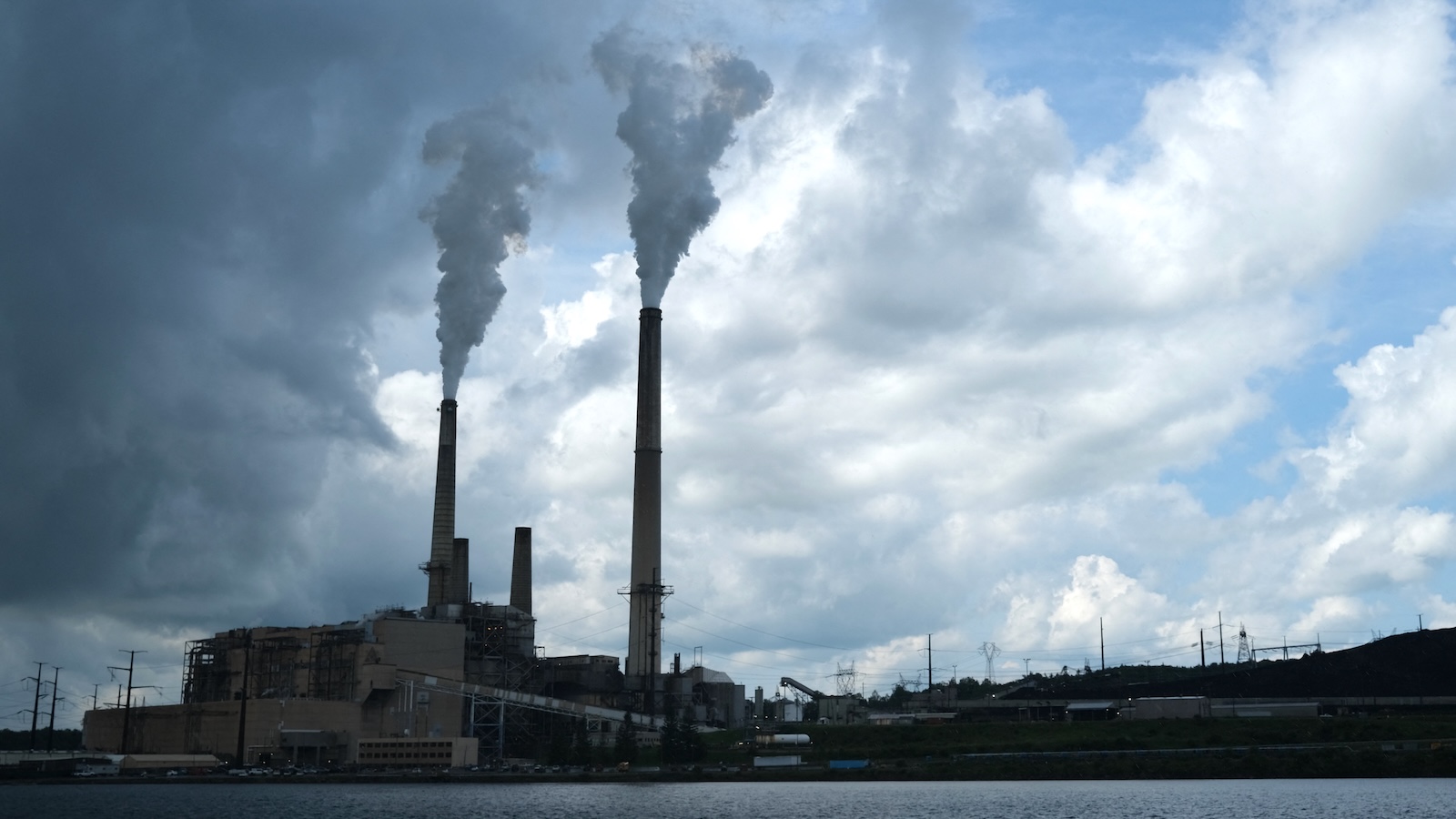
The rapid expansion of hyperscale data centers supporting artificial intelligence operations has begun to reverse decades of declining coal usage in the United States power sector, according to recent analysis by the Energy Information Administration.
The agency’s findings show that power sector carbon emissions increased 4 percent in the previous year, outpacing the 2 percent rise in overall economy-wide emissions. The surge was driven by a 13 percent jump in coal power generation, which analysts attribute in part to the substantial electricity demands of data centers. This marks a significant departure from historical trends, as power consumption had remained relatively flat for decades before the AI boom began. Industry experts note that data centers could represent more than 10 percent of U.S. electricity consumption by 2030 and operate continuously, including during periods when renewable energy sources like wind and solar produce minimal output.
Utilities had previously planned to retire aging coal plants based on assumptions that natural gas and renewable energy would adequately replace them. The unexpected surge in electricity demand has extended the operational life of some coal facilities that were slated for closure. States with significant data center clusters have seen particularly dramatic increases in coal generation, with Virginia nearly doubling its coal power output and neighboring Pennsylvania and West Virginia also ramping up generation to serve growing data center operations.
While solar and wind energy also expanded substantially in the period, these renewable sources have not offset the increased coal usage. Solar production now exceeds coal during daylight hours with low demand, yet coal plants have not been retired as anticipated. Declining natural gas prices relative to coal have also contributed to the rebound in coal usage, as utilities have found coal generation economically competitive.
Experts suggest that achieving long-term decarbonization of the power grid requires developing reliable round-the-clock renewable generation capacity that can eliminate the need for coal entirely. Until such infrastructure exists, coal is likely to maintain a persistent role in the nation’s energy portfolio, complicating efforts to meet climate objectives.
Article Attribution | Read More at Article Source
Article summary produced by Claude AI