

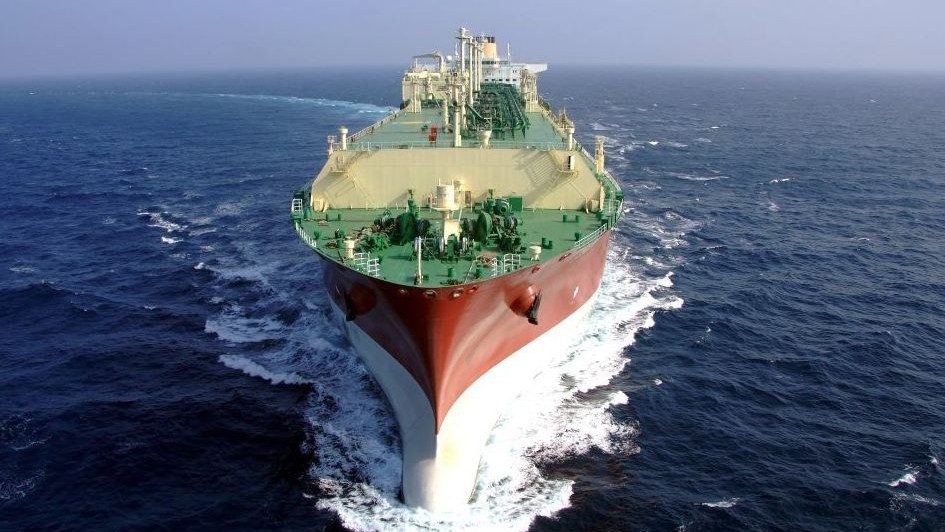
Escalating tensions in the Middle East have disrupted global liquefied natural gas markets, with effective closures of major shipping straits causing significant supply constraints. The Strait of Hormuz and Strait of Bab el-Mandeb blockades have reduced LNG cargo flows from key producers Qatar and the United Arab Emirates, which typically supply approximately 90% of Asian LNG imports and 7-11% of European supplies.
Prices have risen sharply in response to the supply disruption. European natural gas benchmarks briefly exceeded €60 per megawatt hour, near levels seen at the conflict’s onset, prompting concerns about winter shortages and potential state intervention. The Platts Japan-Korea Marker, a key regional benchmark, approached mid-$25 per million British thermal units, its highest level since December 2022. LNG cargo movements from the Persian Gulf have plummeted to approximately 26 shipments since conflict began, compared with the typical 90-100 monthly average.
Physical infrastructure damage has compounded supply challenges. Iranian strikes damaged major liquefaction facilities at Qatar’s Ras Laffan and Pearl GTL plants, with repairs expected to eliminate approximately 12.8 million tonnes annually of LNG capacity for three to five years. These supply losses offset nearly all anticipated global LNG growth, reducing expected supply increases from 11% to approximately 1% year-on-year.
Facing elevated LNG costs and reduced availability, buyers have shifted toward alternative energy sources. India, Pakistan, South Korea, and China have increased switching from natural gas to coal and other fuels. South Korea removed caps on coal-fired power generation, while China reduced LNG imports by 8% year-on-year. Pakistan experienced a 75% decline in LNG imports. Market activity surged as traders sought alternative supply sources and arbitrage opportunities, with physical LNG transactions rising 77% year-on-year and derivatives trading jumping 251%.
Analysts highlight security of supply as an emerging priority for future energy contracting, as buyers consider diversifying away from Middle Eastern producers whose reliability has been questioned by the conflict’s impact.
Article Attribution | Read More at Article Source
Article summary produced by Claude AI