

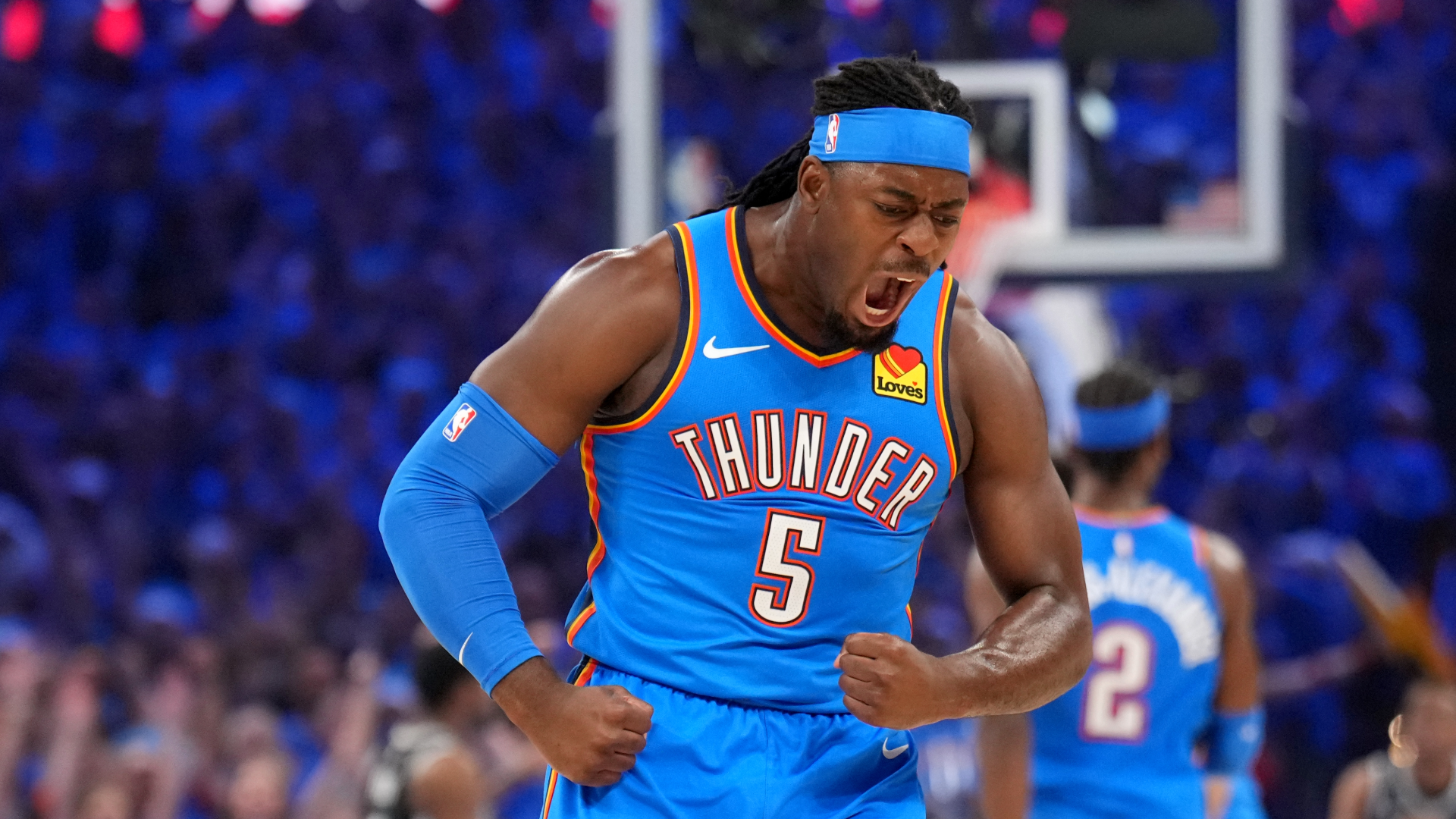
The Oklahoma City Thunder, Atlanta Hawks and Dallas Mavericks executed a three-team trade transaction, with the Thunder shipping out Lu Dort and Ryan Nembhard to Atlanta in exchange for draft assets spanning 2027 through 2032. Dallas acquired former No. 1 overall draft pick Zaccharie Risacher in the deal.
Oklahoma City’s primary motivation centered on financial management. The team operated significantly above the second apron threshold following its Western Conference Finals run and sought to reduce payroll to avoid mounting tax penalties. The organization had previously traded for Jared McCain at the deadline, creating redundancy with Isaiah Joe. Additionally, the emergence of Cason Wallace in the rotation necessitated roster adjustments to accommodate increased minutes for both Wallace and Ajay Mitchell. Dort’s role had diminished during the playoffs, with his offensive inconsistency—including a 20% three-point shooting performance against San Antonio—contributing to the decision. The trade exception generated from the deal provided additional financial maneuvering room, though Oklahoma City’s expensive roster limits practical utilization options.
Atlanta viewed the acquisition as a low-cost opportunity to bolster its defensive wing depth. The Hawks obtained two solid perimeter defenders without surrendering first-round draft capital. The team maintained significant cap flexibility with its lower payroll structure, providing room for potential contract extensions. The Hawks also gained expiring salary contracts—between Dort, Jock Landale and CJ McCollum exceeding $50 million—creating mid-season trade flexibility. Risacher, who had fallen out of the rotation after strong rookie production, represented a sunk cost given the Hawks’ roster transformation since his 2024 draft night selection, with only three players predating him remaining on the current roster.
Dallas pursued Risacher as a buy-low developmental prospect, aligning with the strategic direction established by executive leadership focused on acquiring size and defensive versatility around young star Cooper Flagg. The Mavericks operated without control of first-round picks through 2030, constraining traditional acquisition pathways for wing players. Risacher possessed the foundational tools—defensive capability, three-point range and passing instincts—though those skills remained underdeveloped. A young-core structure allowed Dallas to commit developmental resources that Atlanta’s win-now timeline could not afford, positioning the acquisition as a calculated low-risk, moderate-reward proposition.