

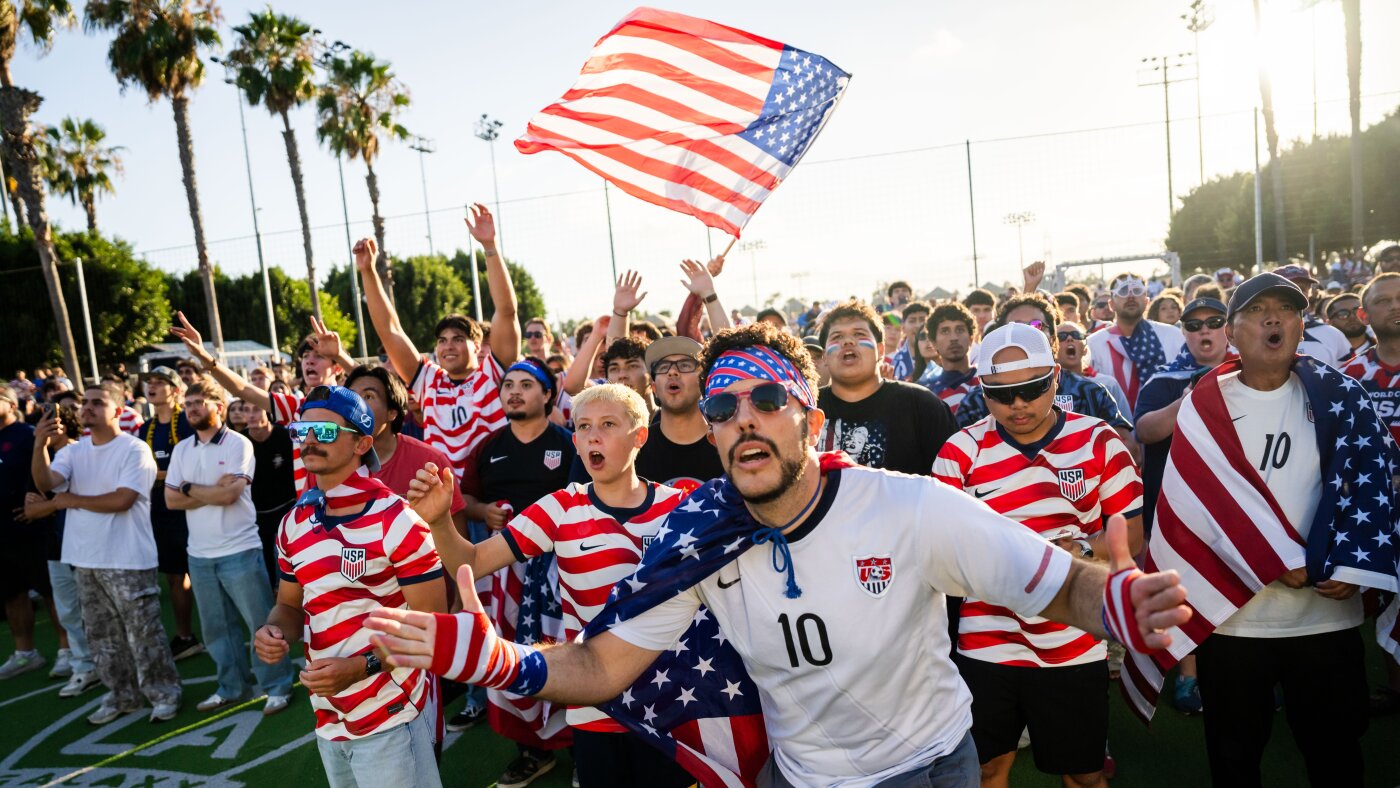
Major League Soccer is undertaking a comprehensive effort to convert World Cup viewership into sustained fan engagement now that the tournament is concluding. The league is using the global event as a catalyst to grow its audience, drawing parallels to 1994 when the U.S. hosted the World Cup and subsequently established MLS as a professional league.
Clubs across the country have organized World Cup watch parties and viewing events to expose potential fans to soccer. The Chicago Fire invested nearly $3 million in converting the Recess bar into a major watch party venue, drawing an estimated 60,000 attendees throughout the tournament. Similarly, 22 MLS clubs are offering free tickets to first-time attendees through promotions called “First Match on Us” or “Next Match On Us” as the regular season resumes. League officials describe the strategy as sampling—introducing casual sports fans to the sport with the expectation that positive experiences will convert them into regular attendees.
MLS has also launched an eight-figure marketing campaign titled “Thanks World, We’ll Take It From Here,” featuring Lionel Messi, who joined Inter Miami in 2023 and is currently competing in the World Cup final. Messi’s presence in the league and his continued high performance have already boosted attendance and viewership across MLS. The campaign includes commercials airing during World Cup matches expected to reach tens of millions of American viewers.
Beyond fan acquisition, MLS strategically positioned itself during World Cup hosting to attract elite players. The league ensured that MLS team facilities served as training sites and base camps for many World Cup teams, including Argentina and Brazil. This exposure aims to demonstrate the quality of MLS infrastructure and lifestyle to international players, potentially encouraging transfers to the league and raising overall competition levels.
League officials note that attitudes toward soccer among casual American sports fans have shifted significantly since the 1990s, with soccer no longer viewed negatively by mainstream sports audiences. This cultural shift, combined with the World Cup’s prominence and Messi’s star power, positions MLS to capitalize on unprecedented interest in professional soccer within the United States.
Originally reported by NPR. Read the full story →