

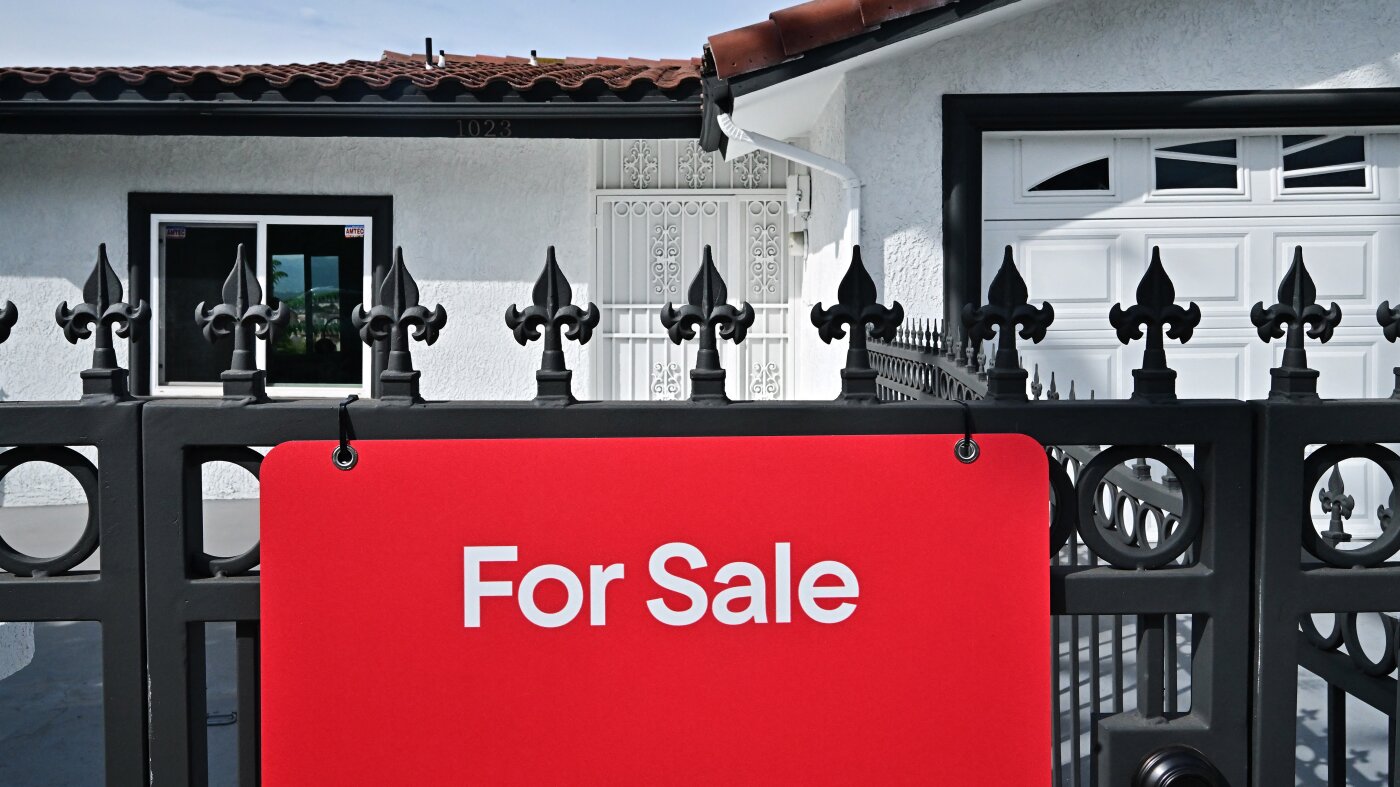
The average 30-year fixed-rate mortgage climbed to 6.66% this week, marking its highest point in a year according to Freddie Mac data. This represents a reversal of earlier trends; rates had declined through early 2026 and briefly dipped below 6% in February, creating optimism that lower borrowing costs might stimulate a sluggish housing market where buyers have been hesitant to purchase and sellers reluctant to leave homes secured with lower pandemic-era rates.
Geopolitical developments have significantly influenced the recent rate increases. The conflict with Iran and the closure of the Strait of Hormuz have driven up oil prices, which reached an average of $4.10 per gallon as of Thursday—approximately $1.11 higher than before the war began. These elevated energy costs have increased shipping expenses across the economy, contributing to broader inflation pressures. Higher inflation has pushed up yields on the 10-year Treasury note, an indicator that closely correlates with mortgage rate movements. Economists note that oil price fluctuations have an immediate and measurable impact on mortgage pricing.
Market uncertainty surrounding the Iran conflict continues to weigh on investor sentiment. Housing experts note that the repeated pauses and restarts in fighting have prevented markets from settling, with investors unlikely to feel confident without decisive signals that hostilities are truly concluded. Additionally, the Federal Reserve’s recent actions have contributed to rate pressures. During its Wednesday meeting, the central bank held its benchmark rate steady but signaled a potential rate hike could occur in September, with three committee members voting in favor of an increase. This rare internal split suggested to markets that higher rates may arrive in the near future.
The housing market itself remains challenged by elevated home prices. According to the National Association of Realtors, sales have shown minimal movement over the past three years, with June existing home sales averaging more than $440,000 and declining 2.4% year-over-year. The combination of higher mortgage rates and elevated home prices has sustained reluctance among potential buyers to enter the market.
Article Attribution | Read More at Article Source
Article summary produced by Claude AI