

The Nebraska Legislature has passed a new law mandating that data centers operating in the state provide transparency regarding their water consumption and electricity demands. Jesse Bradley, director of the Department of Water, Energy, and Environment, characterized the legislation as a constructive first step that will enable the state to identify remaining information gaps and support long-term planning efforts.
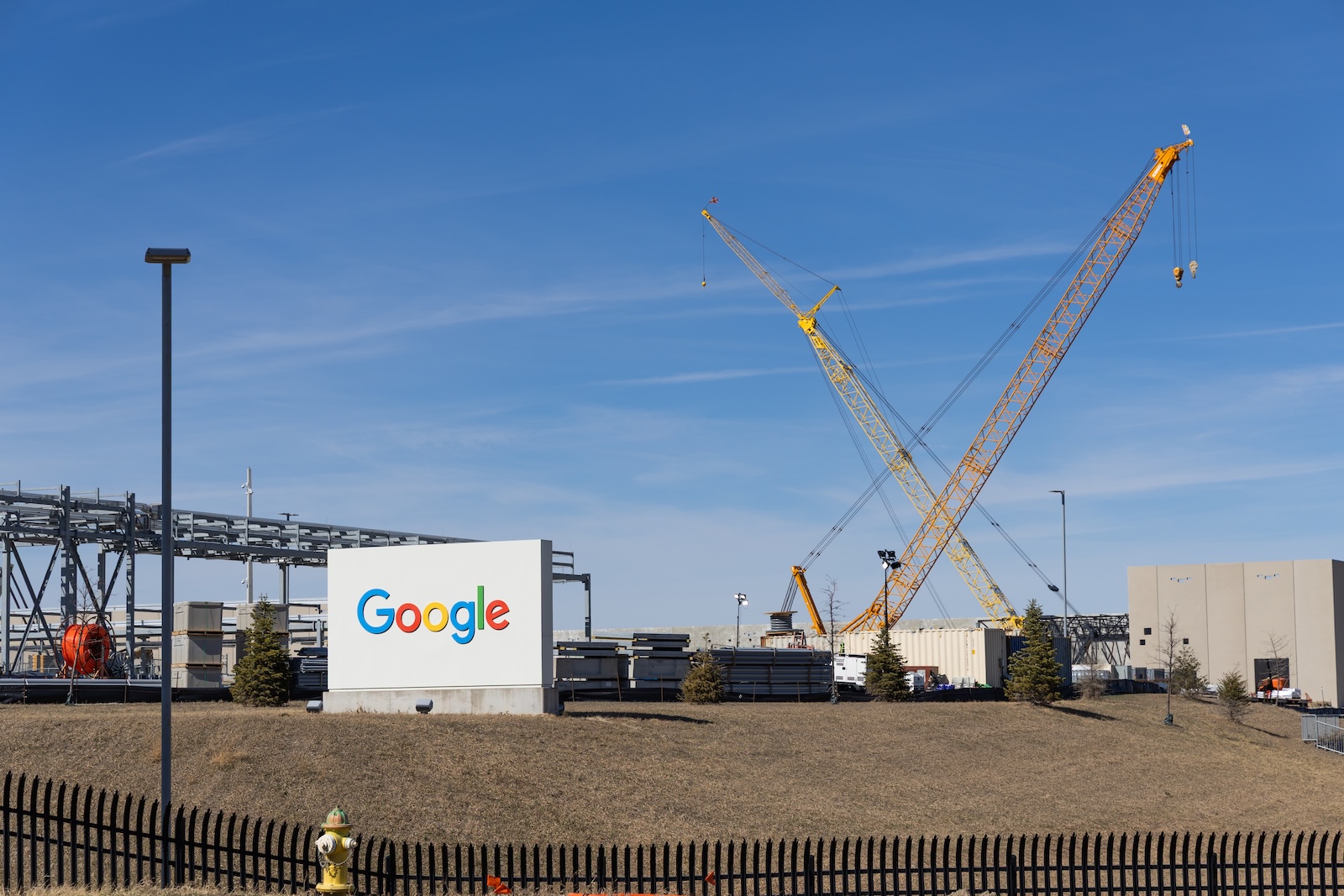
Water usage has become a significant concern as companies pursue data center expansion in Nebraska. State residents, academic researchers, and regulatory officials have raised questions about whether new facilities could exacerbate water scarcity in a region characterized by agricultural dependence and periodic severe drought conditions. Currently, data center water consumption figures rely primarily on voluntary disclosure by the companies themselves, and Nebraska lacks an official registry of operational data centers. Google’s Nebraska facilities consumed approximately 732 million gallons of water in 2025, with the company projecting increased consumption moving forward. Meta’s Sarpy County data center withdrew between 26.7 million and 37.5 million gallons annually from 2020 to 2024.
Data centers require substantial water volumes for cooling computer servers and maintaining optimal operating temperatures. Evaporative cooling systems typically demand more water, while closed-loop systems circulate contained water and coolants with minimal replenishment needs. However, closed-loop alternatives generally consume more electricity, which itself requires water for power generation. The selection between cooling technologies depends on facility design, local climate conditions, water availability, and power accessibility, according to industry experts.
Data center construction has historically concentrated in urban areas but has increasingly shifted toward suburban and rural locations as fiber optic infrastructure has expanded. This geographic expansion creates particular challenges for Nebraska regions already facing water constraints or fully allocated water supplies, where irrigation for agriculture consumes the majority of available resources. Water availability is expected to face additional pressure from climate-related drought and temperature increases. Industry observers emphasize the need for data center operators to adopt efficient technologies and maintain transparency with regulators and communities regarding resource consumption patterns.