

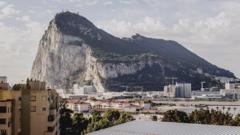
Gibraltar, a British Overseas Territory of approximately 40,000 people located at Europe’s southwestern tip, is preparing to eliminate border controls with Spain as of July 15. The change stems from a negotiated agreement between the European Union and the United Kingdom following Britain’s departure from the bloc, addressing the particular complexities that arose from Gibraltar’s status as a land border with the EU in the post-Brexit landscape.
Currently, around 15,000 Spanish workers cross into Gibraltar daily, creating significant congestion during peak hours. The removal of border controls is expected to facilitate smoother movement of people and goods between Gibraltar and Spain, benefiting both territories economically. La Línea de la Concepción, the neighboring Spanish town, faces particularly high unemployment at close to 30% and depends substantially on Gibraltar’s economy, with many local businesses deriving approximately one-third of their income from Gibraltarian clients.
Under the new arrangement, Gibraltar will align with the European customs union and the Schengen free travel zone. Travelers arriving from outside Schengen nations, including the UK, will still require passport checks at Gibraltar’s airport and port. Gibraltar’s Chief Minister Fabian Picardo characterizes the agreement as introducing “complete and utter fluidity of people and goods” between Gibraltar and the EU, representing a historic shift for a territory where frontier restrictions have defined generations of residents.
The arrangement requires Gibraltar to comply with EU regulations and introduces new taxation measures, including a transaction tax beginning at 15% and eventually rising to 17%, along with higher excise taxes on certain goods. These changes represent a departure from Gibraltar’s previous lack of value added tax and generate some concern within the business community about competitiveness and administrative burdens, though business leaders generally view the resolution as a positive compromise that will attract more visitors.
The agreement marks a significant development for Gibraltar, a territory with a complex history involving military conflicts and sovereignty disputes. It stands in stark contrast to the 1969 blockade imposed by Spain under Francisco Franco, which lasted until 1982, and reflects a new cooperative approach to the region’s bilateral relationship and economic integration with the EU.