

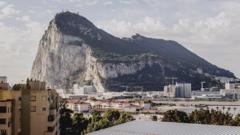
Gibraltar, a British Overseas Territory of approximately 40,000 residents, is preparing to eliminate border controls with Spain as part of a post-Brexit agreement negotiated between the European Union and the United Kingdom. Currently, around 15,000 Spanish workers cross the frontier daily during rush hours, creating significant delays. The removal of border restrictions, scheduled for July 15, represents a historic shift for a territory that has maintained a border fence since 1908.
The agreement emerged from negotiations addressing the unique challenges posed by Gibraltar’s land border with the EU following the UK’s departure from the bloc. Under the new arrangement, Gibraltar will align with the European customs union and the Schengen free travel zone, allowing unrestricted movement of people and goods between Gibraltar and Spain. Travelers from non-Schengen countries, including the UK, will still present passports at the territory’s airport and port facilities.
Local officials and residents anticipate substantial economic benefits from the arrangement. Juan Franco, mayor of La Línea de la Concepción, notes that approximately one-third of local companies’ revenue comes from Gibraltarian clients. The Spanish town currently experiences unemployment near 30%, among the highest in the Andalusia region, and opening the border is expected to facilitate cross-border commerce and employment opportunities. Gibraltarian Chief Minister Fabian Picardo describes the agreement as introducing “complete and utter fluidity” that will reduce logistical barriers and increase business activity.
The arrangement does involve regulatory adjustments. Gibraltar must now comply with EU regulations for goods sold in the territory, and a new transaction tax is being introduced, starting at 15% this year and rising to 17%, replacing previous import duties. Additional excise tax increases on certain goods are also being implemented. Business leaders acknowledge both relief that the extended Brexit uncertainty has concluded and concerns about increased compliance requirements and changing competitiveness dynamics.
The border fence has been dismantled in recent weeks in preparation for the transition. Officials characterize the development as ushering in a new era of cooperation and mutual benefit between Gibraltar and Spain, contrasting sharply with historical tensions including a 1969 blockade that lasted until 1982.
96% of Gibraltarians voted to remain in the EU during the 2016 referendum, driven partly by concerns about sovereignty and reliance on European trade relationships in sectors including online gaming, shipping, and financial services.
Article Attribution | Read More at Article Source
Article summary produced by Claude AI