

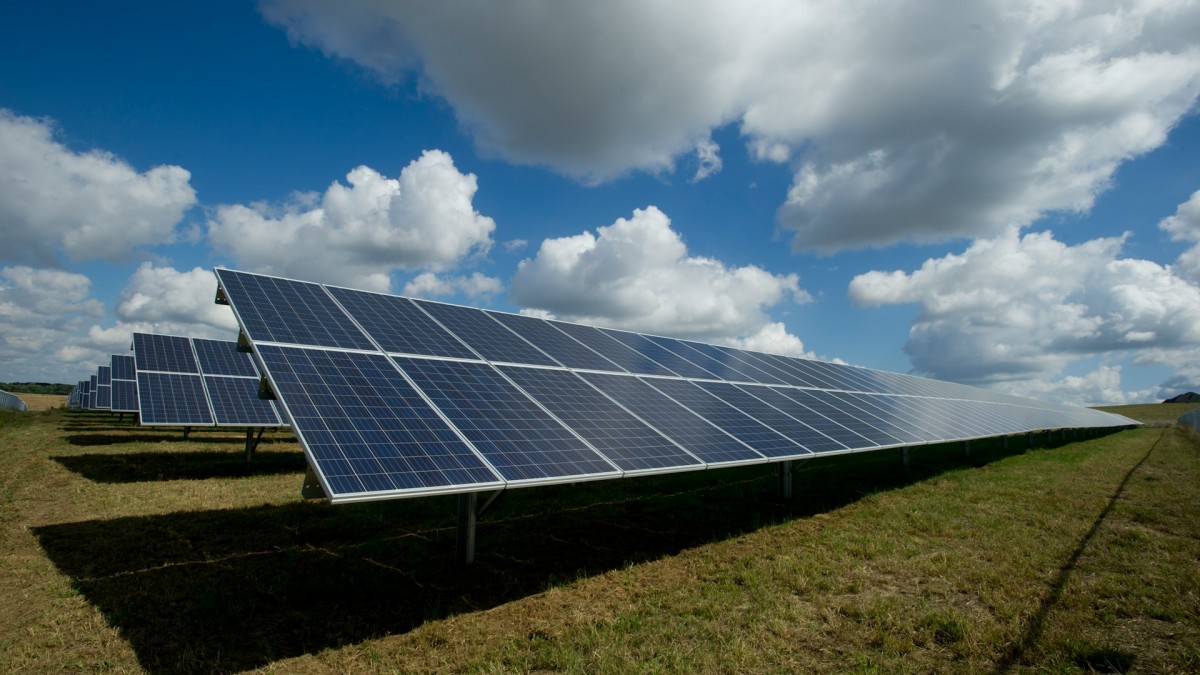
Solar energy remains the most affordable form of new energy capacity in most global markets, despite recent cost increases in the United States. As the sector expands rapidly, manufacturers face mounting pressure to maintain profitability amid intensifying competition. Industry analysts indicate that improvements in capital efficiency and panel performance could prove essential for keeping solar energy competitive while supporting global decarbonization objectives.
Advanced solar technology research is pursuing two primary pathways: developing new materials with enhanced light absorption capabilities and redesigning panel structures to optimize sunlight capture across varying seasonal and daily angles. Perovskite has emerged as a particularly promising material in this field. This month, researchers at The Hong Kong Polytechnic University announced a significant advance in perovskite-based solar cell technology, creating a new tandem design that achieves 97 percent efficiency even when portions of the panel are shaded. The development addresses a critical vulnerability in traditional solar cells, which typically suffer permanent damage from reverse-bias stress when shaded.
According to consulting firm McKinsey, the solar sector confronts challenges including increased competitive pressure, limited land availability in certain regions, and grid congestion. Capital expenditures represent 40 to 70 percent of solar energy’s overall cost structure, making efficiency improvements in this area crucial for maintaining affordability. The International Energy Agency projects that meeting net-zero emission targets will require doubling annual solar capacity additions by 2030, underscoring the importance of continued technological advancement and fundamental performance improvements in panel design and manufacturing efficiency.
Article Attribution | Read More at Article Source
Article summary produced by Claude AI