

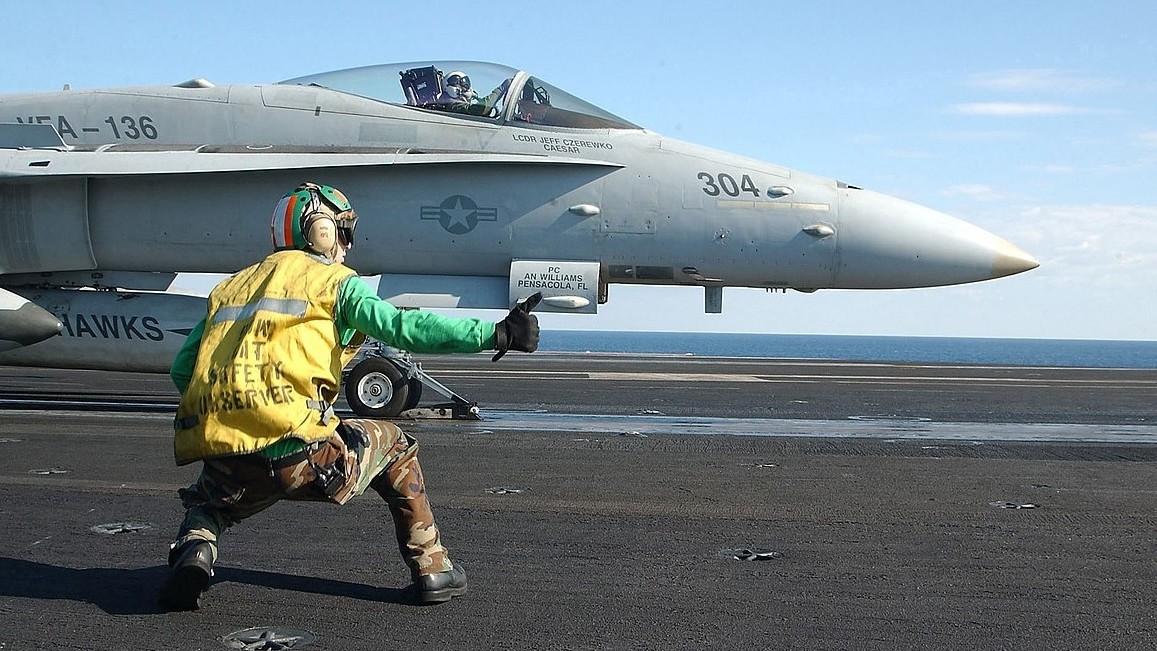
Multiple geopolitical and infrastructure challenges are creating significant disruptions to global energy markets and supply chains. Escalating military tensions between the United States and Iran, combined with attacks on critical infrastructure and repeated incidents affecting maritime traffic through the Hormuz Strait, are straining energy supplies and pushing prices higher. The situation has triggered a range of responses from major importers and exporters seeking to protect their economic interests.
China’s crude oil imports experienced a sharp decline, falling 41% year-on-year in June to their lowest level since October 2016. This contraction reflects both the disruption of Middle Eastern supplies due to regional conflicts and weakening domestic demand. Meanwhile, the US military has intensified enforcement of its naval blockade on Iranian ports, redirecting commercial vessels and continuing a campaign that has turned back significant shipping traffic. Iraq has also faced operational disruptions after security incidents forced temporary suspensions of crude loading operations and caused outages at gas production facilities serving Kurdistan.
The maritime disruptions are prompting defensive measures from multiple countries. India has restricted its seafarers from transiting the Hormuz Strait following fatal attacks on nationals, while Pakistan has turned to spot market purchases at elevated prices to secure liquefied natural gas supplies. India has nearly doubled export taxes on diesel and jet fuel to preserve domestic supplies as production margins increase. International officials have warned that prolonged closure of the Strait could inflict serious economic damage on import-dependent Asian economies within weeks if full reopening is not achieved.
Beyond the immediate energy sector, regional instability is affecting commodity markets and supply chains. Disruptions to sulphur shipments from the Gulf are pushing up nickel prices as Indonesian producers face higher processing costs. Piracy incidents in the Gulf of Aden have resurged, adding another layer of risk to maritime commerce. Meanwhile, oil majors are pursuing strategic investments in stable production areas, with ConocoPhillips acquiring a stake in BP’s northern Iraq operations to expand their reserve base away from more volatile regions.