

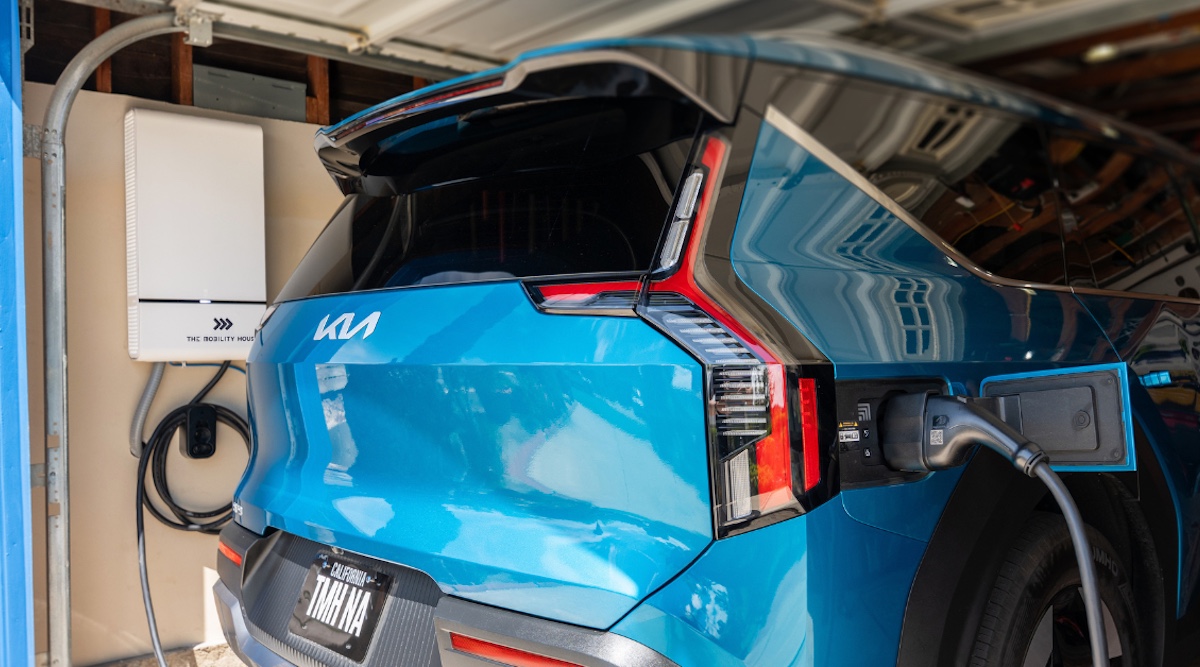
Eversource, National Grid, EnergyHub, Sunrun, and The Mobility House unveiled a collaborative initiative to test vehicle-to-grid capabilities among residential customers in Massachusetts. The program will allow qualifying EV owners to participate in the existing ConnectedSolutions platform, which currently manages grid flexibility through thermostats, batteries, and commercial resources.
Massachusetts currently has more than 150,000 electric vehicles on the road, with increasing numbers of bidirectional-capable models becoming available. By enrolling their V2G-capable vehicles, drivers will be able to send stored energy back to the grid during periods of peak demand. This functionality aims to reduce strain on the electrical system while enhancing overall grid stability and reliability.
Participating vehicle owners will receive incentives in exchange for the grid services their EVs provide. The pilot addresses the potential for electric vehicle batteries to serve as a distributed energy reserve, transforming parked vehicles into assets that support grid operations and potentially reduce costs for all utility customers. National Grid is also currently testing V2G technology with light-to-medium-duty fleets within ConnectedSolutions, including school buses, while Eversource is exploring similar opportunities with school districts through its ConnectedSolutions+ offering.
According to officials from the participating organizations, the initiative represents an expansion of successful grid flexibility strategies. The program leverages distributed energy resource management and allows utilities to coordinate multiple types of energy assets into virtual power plant systems. Officials from both utilities emphasized that vehicle-to-grid technology could provide substantial benefits to grid operations while offering customers tools to manage their energy expenses and advance sustainability goals across the region.
Article Attribution | Read More at Article Source
Article summary produced by Claude AI