

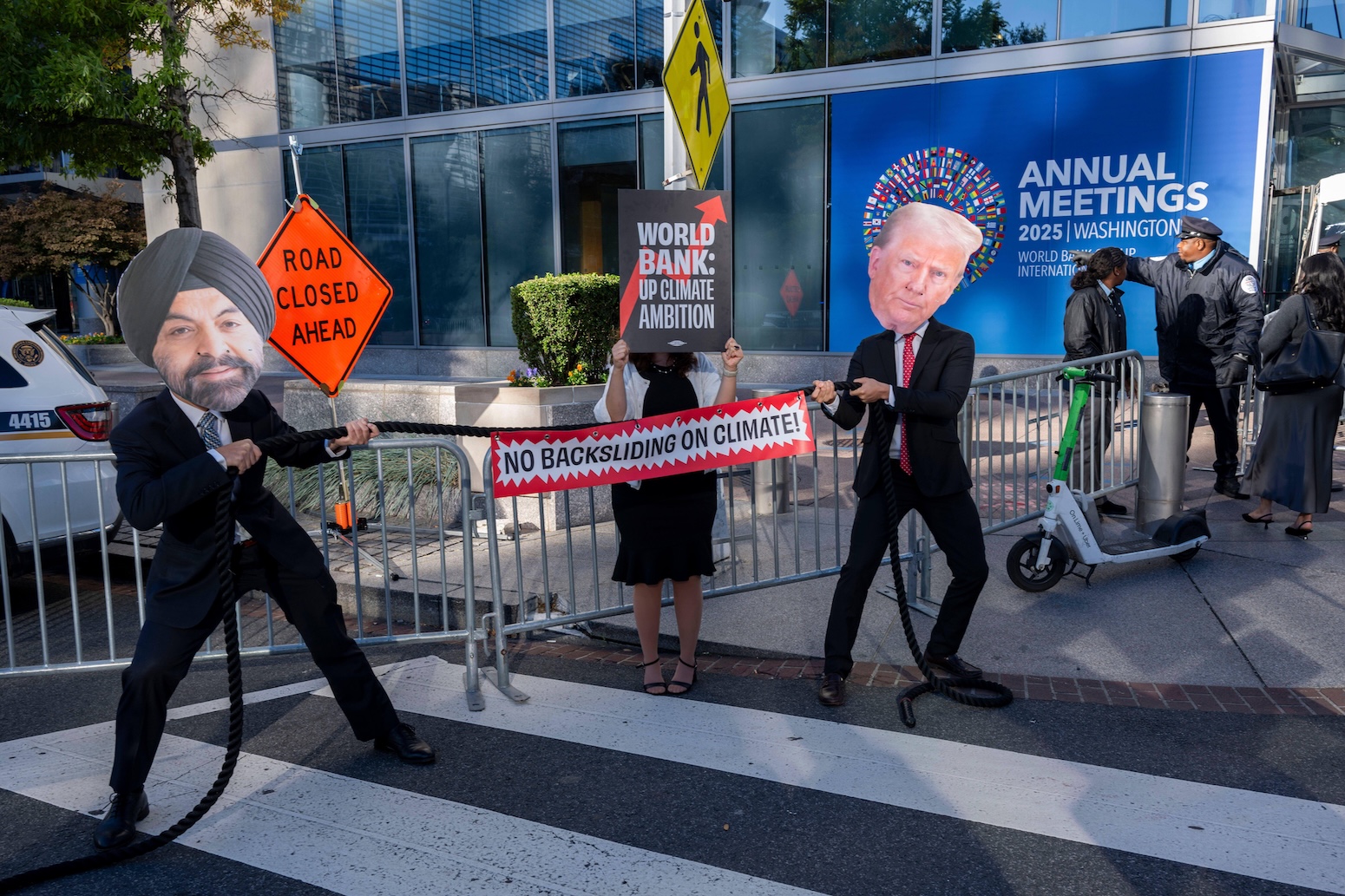
The World Bank has discontinued its target for allocating 45% of funding to developing countries as climate finance, concluding months of negotiations that reflected disagreement among the institution’s shareholders. The decision came after sustained pressure from the US Treasury Department, which sought to weaken or eliminate the bank’s climate focus. However, the World Bank preserved its broader climate change action plan (CCAP) following support from developed and developing-country stakeholders. The retained plan, which had been scheduled to expire in July, has been extended for an indefinite period.
The World Bank remains the world’s largest provider of climate finance, distributing $39.2bn in 2025 alone, primarily through loans to developing nations. Between 2020 and 2025, the institution provided $164bn in financing with climate benefits, with the largest share directed toward clean energy and electricity access projects. Major recipients of the bank’s climate funds during this period included Turkey, India, and Nigeria. The elimination of the 45% target represented a reversal from 2023, when World Bank president Ajay Banga had announced the higher goal, replacing an earlier 35% target established in the bank’s second climate action plan.
The negotiations revealed divisions among the World Bank’s 25 board directors representing member nations. Nineteen directors issued a joint statement affirming the need for both a climate plan and specific targets, while the US, Russia, Kuwait, and Saudi Arabia declined to sign. Japan and India abstained from the statement. European nations reportedly championed maintaining a robust climate plan, supported by developing countries seeking climate-related investment. The final outcome dropped both the 45% and 35% targets while extending the CCAP with provisions for independent evaluation.
Experts and stakeholders offered differing assessments of the outcome’s significance. Some characterized the retention of the climate action plan as a meaningful compromise preventing the bank from abandoning climate considerations entirely. Others expressed concern that removing quantitative targets could reduce climate investments over time. Some developing-country representatives emphasized their continued demand for climate finance, with a G11+ group representing nearly 100 nations noting that countries remain committed to climate action pathways. Recent polling indicated substantial developing-country support for renewable energy investments through multilateral development banks.
The World Bank’s evolution reflects broader tensions over climate finance obligations under the Paris Agreement, which require developed nations to provide climate finance to developing countries. As the largest provider of such funding, the World Bank plays a crucial role in meeting international climate finance targets, including a $300bn annual goal by 2035. The bank’s policy shifts therefore carry implications for global climate finance commitments and the institution’s future role in supporting developing nations’ climate transition efforts.
Article Attribution | Read More at Article Source
Article summary produced by Claude AI