

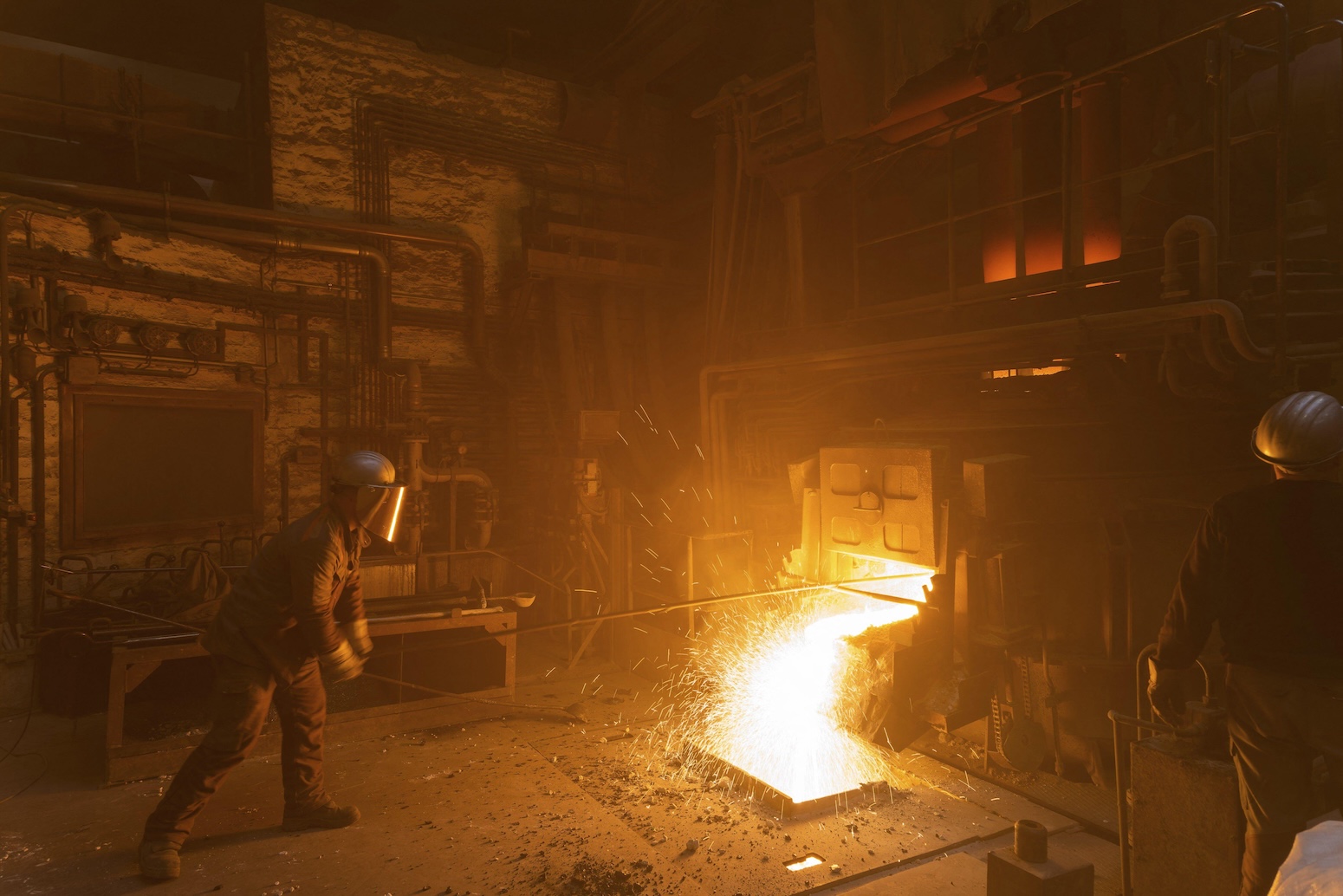
The European Commission unveiled its reform proposal for the EU’s Emissions Trading System (ETS) on 17 July, presenting a plan designed to balance climate ambition with business competitiveness. The proposal would extend the phase-out of free allowances to 2038, conditional on companies demonstrating commitment to decarbonization investments. The ETS, which has been in operation since 2005 and covers roughly 40% of EU emissions across power generation, industry, aviation and other sectors, would see its emissions reduction pace slow from 2031 onwards, with the cap declining at 3.7% annually over 2031-35 and 1.7% annually over 2036-40.
The commission’s proposal encompasses several significant modifications to the system. It would reintroduce 15% of free allocations previously scheduled for phase-out due to the carbon border adjustment mechanism (CBAM), gradually integrate maritime shipping and waste incineration sectors, expand aviation coverage to international flights within 5,000 kilometers, and incorporate permanent carbon removals to provide flexibility for hard-to-decarbonize sectors. Additionally, the proposal mandates that EU countries allocate at least 50% of ETS auction revenues to decarbonization efforts, potentially mobilizing over €100 billion in investment before 2030.
The proposal has generated considerable debate. Climate commissioner Wopke Hoekstra characterized it as “fully aligned” with the EU’s 2040 target to reduce emissions 90% below 1990 levels and described it as “completely climate-law proof.” However, environmental organizations including WWF and Carbon Market Watch have expressed significant concerns, estimating that the changes would permit an additional 2 billion tonnes of CO2 emissions. Critics argue the proposal weakens long-term climate incentives and shifts decarbonization burdens to other sectors.
Responses from industry and stakeholders have been mixed. Some organizations welcomed provisions offering greater certainty and flexibility for industrial investment, while others criticized specific elements such as the expanded free allowances, the inclusion of international aviation, and the administrative complexity of new conditionalities. The airline industry particularly opposed the international flight expansion, though analysis suggests the impact on ticket prices would be minimal.
EU member states and the European Parliament will now negotiate the proposal’s terms, with Ireland’s rotating presidency aiming for approval by the end of the year, though observers note this timeline is unusually ambitious for such complex climate legislation.
Article Attribution | Read More at Article Source
Article summary produced by Claude AI