

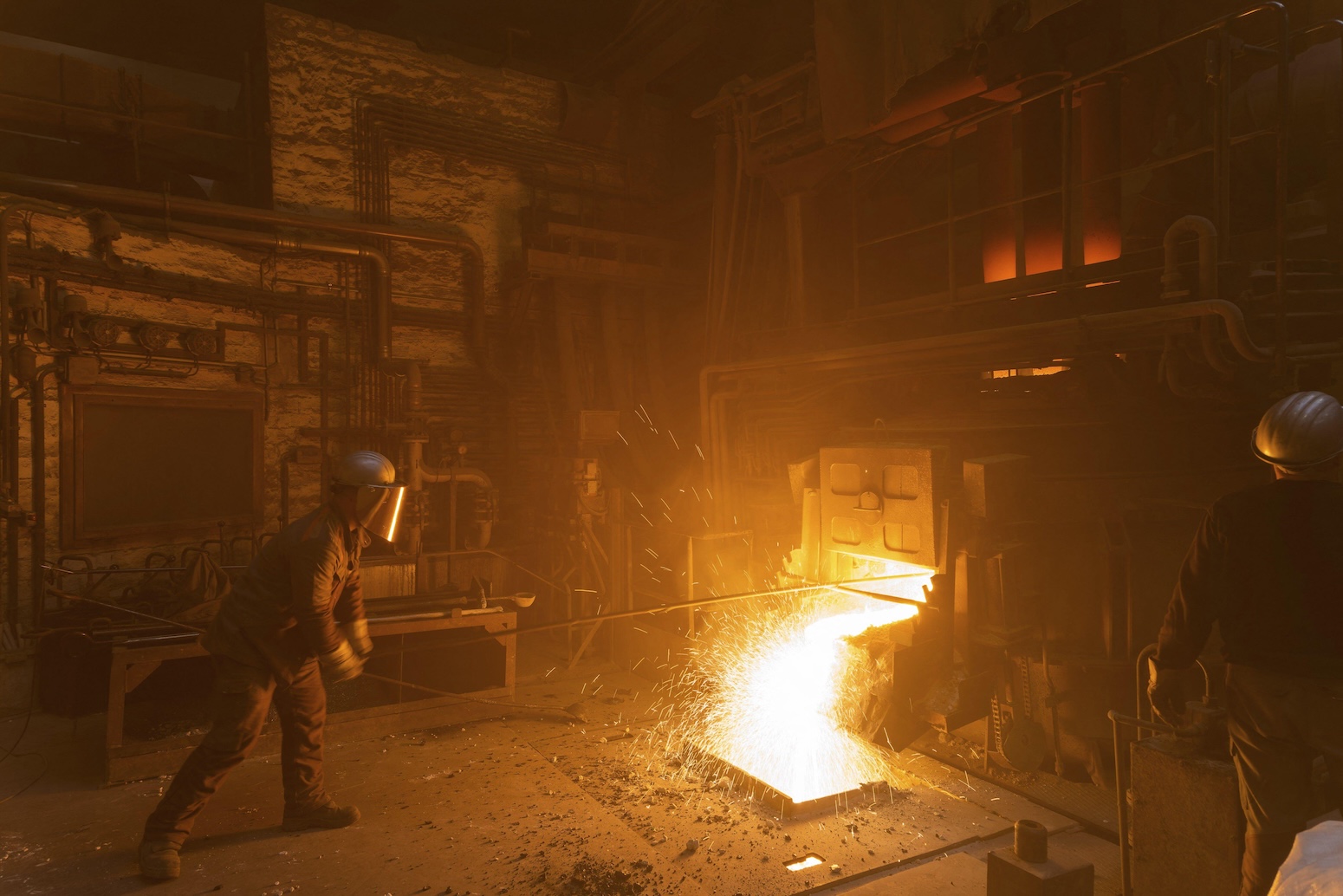
On 17 July, the European Commission unveiled its proposal for reforming the EU’s Emissions Trading System, a carbon pricing mechanism covering roughly 40% of the bloc’s emissions across power generation, industry, aviation and other sectors. The proposed changes include extending free allowances to companies beyond the previously planned 2034 phase-out date to 2038, conditional on them submitting decarbonisation investment plans. The commission also suggests slowing the rate of annual emissions reductions from 2031 onward, reducing the annual cap decline to 3.7% between 2031 and 2035, and further to 1.7% annually from 2036 to 2040.
Analysts estimate that the proposal would permit approximately 2 billion additional tonnes of CO2-equivalent emissions from ETS-covered sectors compared to previous plans. The commission argues the changes balance climate ambitions with industrial competitiveness concerns, noting that some member states had raised concerns about the system’s costs. However, environmental organizations and climate analysts have expressed alarm, warning that the modifications could undermine the EU’s target to reduce emissions to 90% below 1990 levels by 2040.
The proposal also includes several other modifications to the system. It expands aviation coverage from 2029 to include flights departing the European Economic Area and landing within 5,000 kilometers, and incorporates more maritime shipping and waste-incineration facilities. Additionally, the commission proposes integrating permanent carbon removals into the system and allowing use of international carbon credits from 2036 onward. A requirement is introduced for EU countries to dedicate half of auction revenues to decarbonisation initiatives, intended to direct more than 100 billion euros toward clean energy transitions before 2030.
The proposal has received mixed responses from industry and climate advocates. Some business groups appreciate the flexibility and extended timeline, while environmental organizations contend that the changes represent a weakening of Europe’s primary climate policy tool. Member states will now negotiate the terms ahead of a European parliament vote, with Ireland’s presidency hoping to conclude negotiations by year-end.
Article Attribution | Read More at Article Source
Article summary produced by Claude AI