

The European Commission unveiled a comprehensive reform proposal for the EU’s Emissions Trading System on 17 July, aimed at aligning the market mechanism with the bloc’s climate objectives while addressing industry concerns about competitiveness. The proposal introduces several significant modifications to how the ETS operates, including changes to free allowances, emission reduction timelines, and coverage expansion.
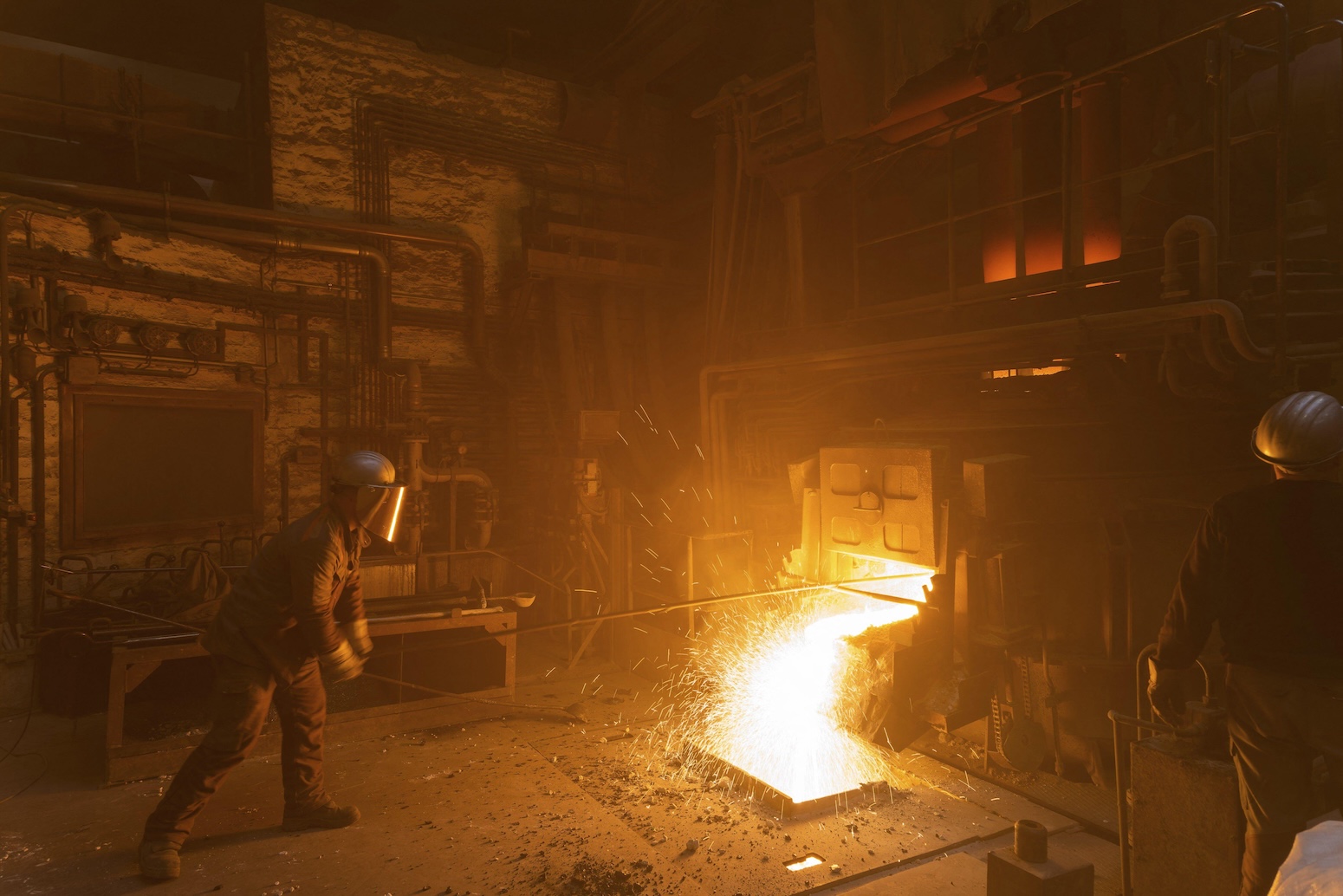
Under the new framework, companies receiving free allowances would be required to submit decarbonisation investment plans as a condition for continued support. Free allocations, previously scheduled to phase out by 2034, would now extend until 2038. From 2031 onwards, 80% of free allowances would go to companies with approved investment plans, while the remaining 20% would be allocated based on demonstrated progress toward emissions reduction targets. The commission also proposes reintroducing 15% of free allocations beginning in 2028 to moderate the implementation pace of the carbon border adjustment mechanism, which aims to prevent carbon leakage as companies shift operations to less regulated jurisdictions.
The proposal modifies the trajectory toward zero emissions within the ETS framework. Rather than maintaining steeper annual reduction rates, the commission suggests the emissions cap decline by 3.7% annually from 2031 to 2035, then drop to 1.7% annually from 2036 to 2040. This more gradual approach, according to the commission, aligns with domestic climate ambitions and economic realities. Additional changes include expanding aviation coverage to include more international flights within 5,000 kilometers of central Europe and gradually incorporating waste incineration facilities into the system. The proposal also establishes provisions for integrating permanent carbon removal technologies and international carbon credits from 2036 onwards, providing flexibility for sectors difficult to decarbonise.
The reform proposal has generated considerable debate among stakeholders. Supporters argue it provides necessary business stability and investment predictability, while critics contend it substantially weakens the system’s climate impact. Environmental organizations estimate the changes could permit billions of additional tonnes of CO2 emissions. Member states and the European parliament must now negotiate the terms before a vote, with Ireland’s presidency aiming for agreement by year-end, though consensus among 27 countries on complex technical provisions remains uncertain.