

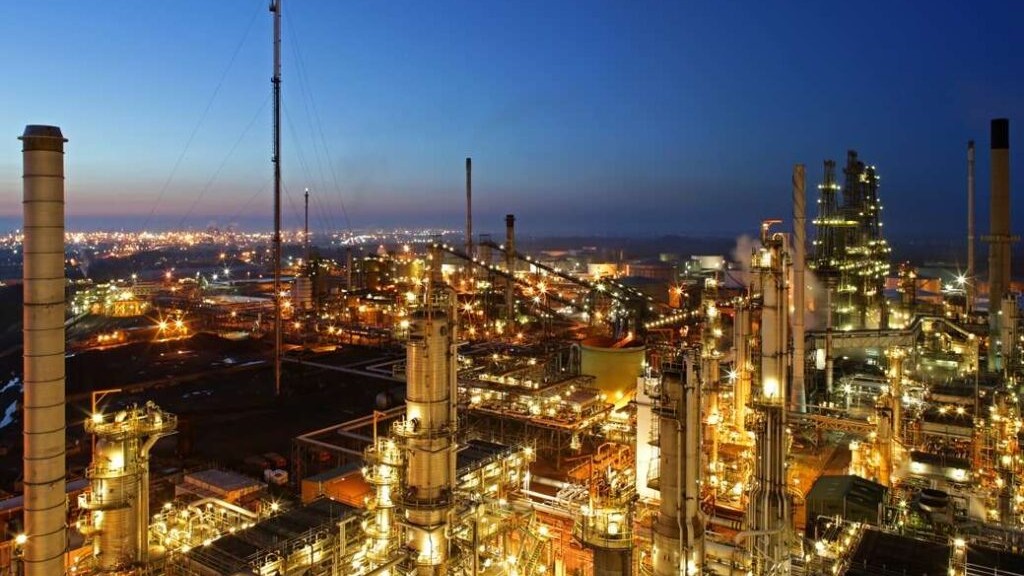
U.S. refineries are currently producing fuel at the highest rates since before pandemic-related lockdowns, with refining margins reaching record levels. The Energy Information Administration reported that U.S. refineries produced an average of 17 million barrels of fuels in the most recent week measured, marking the highest output since September 2019. The crack spread—the profit margin between crude oil and refined products—has hit record highs, exceeding $70 per barrel earlier this month, incentivizing refiners to maximize production.
Despite these record production and export levels, global fuel markets remain undersupplied. Analysts note that even maximum U.S. refinery output cannot bridge the gap between global demand and available supply. The situation is being complicated by the fact that increased U.S. production is drawing down domestic crude inventories, which are already at uncomfortable levels. Commodity research specialists have highlighted that while refining margins encourage maximum output, this production strategy further depletes crude oil stocks.
Multiple factors are contributing to the global fuel shortage. Geopolitical tensions in the Persian Gulf region have disrupted both crude and refined product exports from major suppliers. Several European nations have shut down refinery operations, reducing regional fuel production capacity, a trend that has also occurred in other Western countries. China maintains strict fuel export quotas that limit domestic refiners’ ability to export products. Russia, historically the world’s second-largest fuel exporter after the United States, has reduced exports due to drone attacks on refining infrastructure and has implemented a diesel export ban while prioritizing domestic supply security.
The situation is expected to worsen as the northern hemisphere enters preparations for winter. Diesel supplies face particular strain, with shortages projected to impact affordability in developing nations across Southeast Asia, Africa, and Latin America. Resolution appears unlikely in the near term, as prospects for peace in the Middle East remain distant and geopolitical tensions continue to escalate, with recent exchanges of strikes between the United States and Iran suggesting potential for further geographic expansion of the conflict.
Article Attribution | Read More at Article Source
Article summary produced by Claude AI